Marine Biology · Shark Policy & Protection · Scientific Diving
100+ countries · Sharks · Field Research & Species Policy
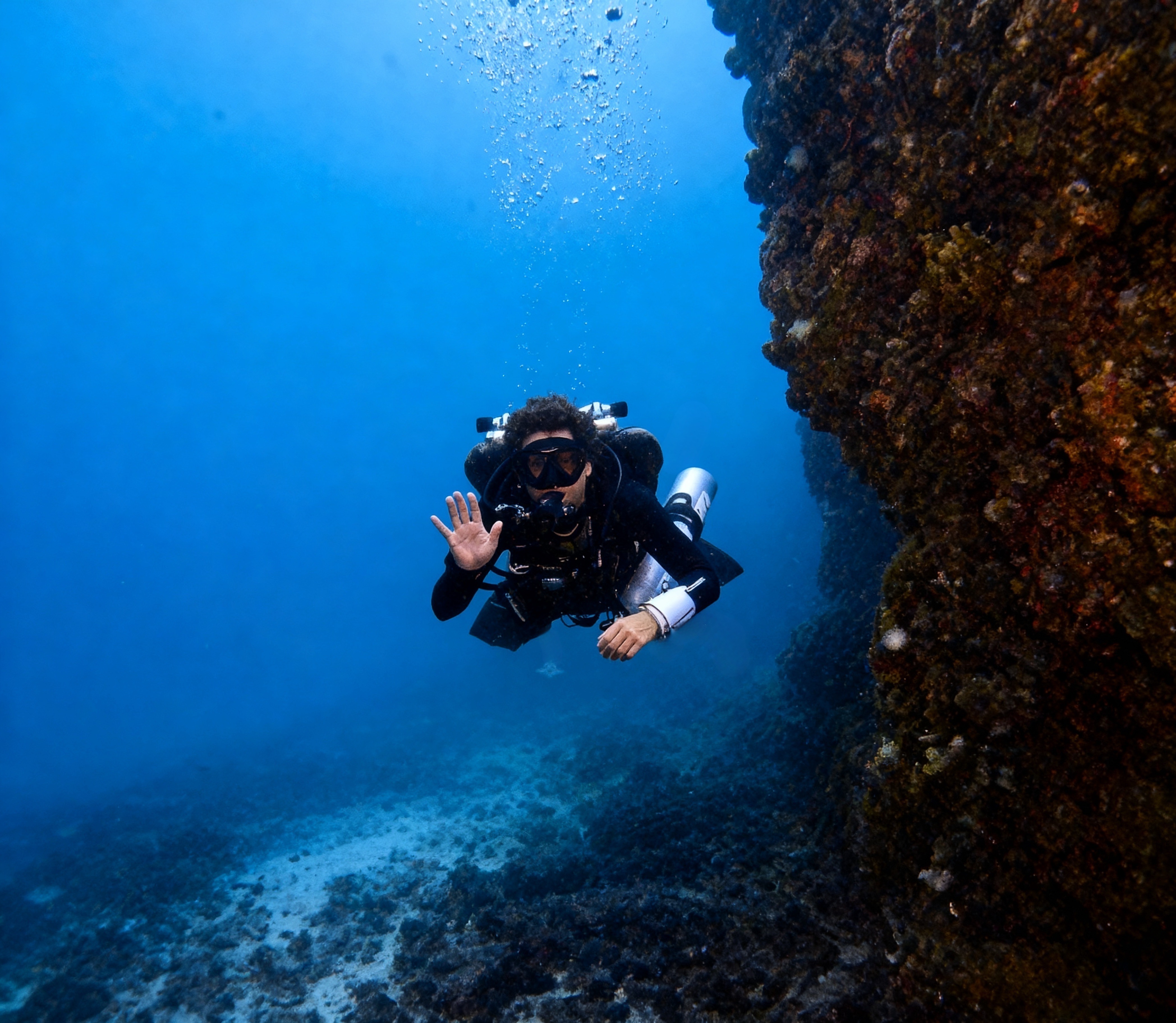
Cody Quinn Miller is a Marine Biologist and Conservationist specialising in the protection of vulnerable shark species and the preservation of global marine ecosystems. His career bridges field research, species policy, and scientific diving operations across more than 100 countries.
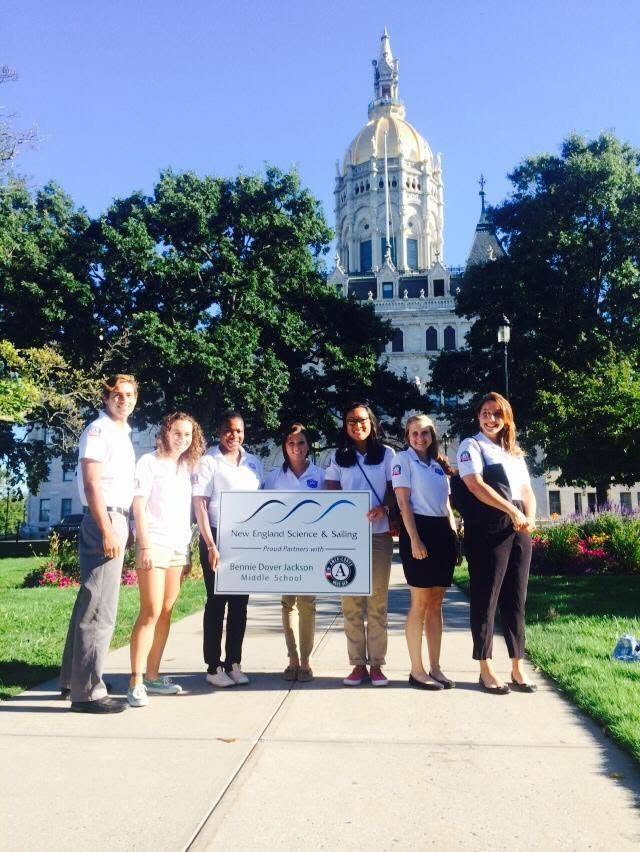
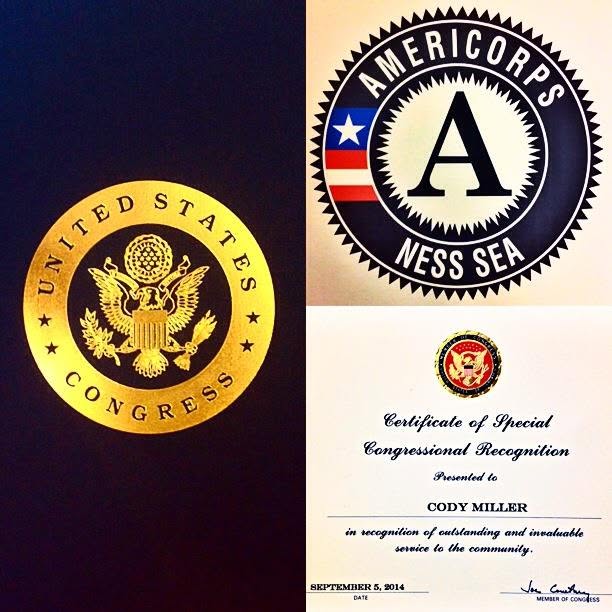
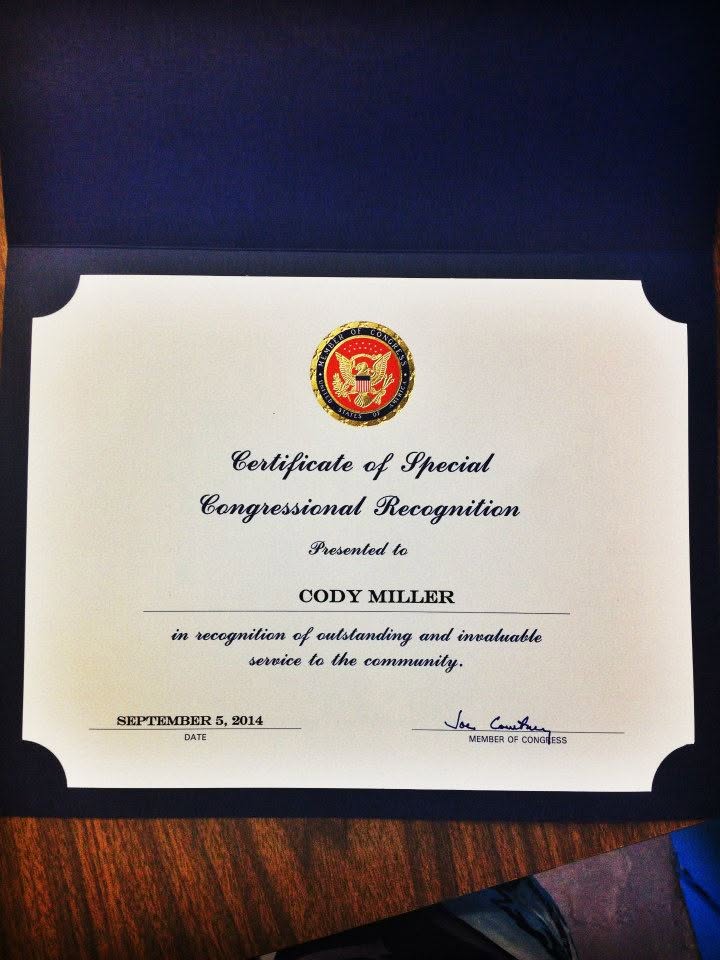
His professional background spans postgraduate research at the University Centre of the Westfjords in Iceland, laboratory research at the Scripps Institution of Oceanography, fisheries science with California State Fish and Wildlife, marine conservation programme management with Rustic Pathways in Fiji, and conservation internship work with Project Hiu in Indonesia. He also completed a year of national service with AmeriCorps through the New England Science and Sailing Foundation, and is currently a member of the core YPO Global Events Team.
He holds a Master of Resource Management in Coastal and Marine Management from the University Centre of the Westfjords / University of Akureyri in Iceland, and a Bachelor of Science in Marine Biology from the University of Hawaii at Manoa.
Postgraduate research in marine resource management and conservation policy. Master of Resource Management (MRM) awarded. Thesis fieldwork details to be added.
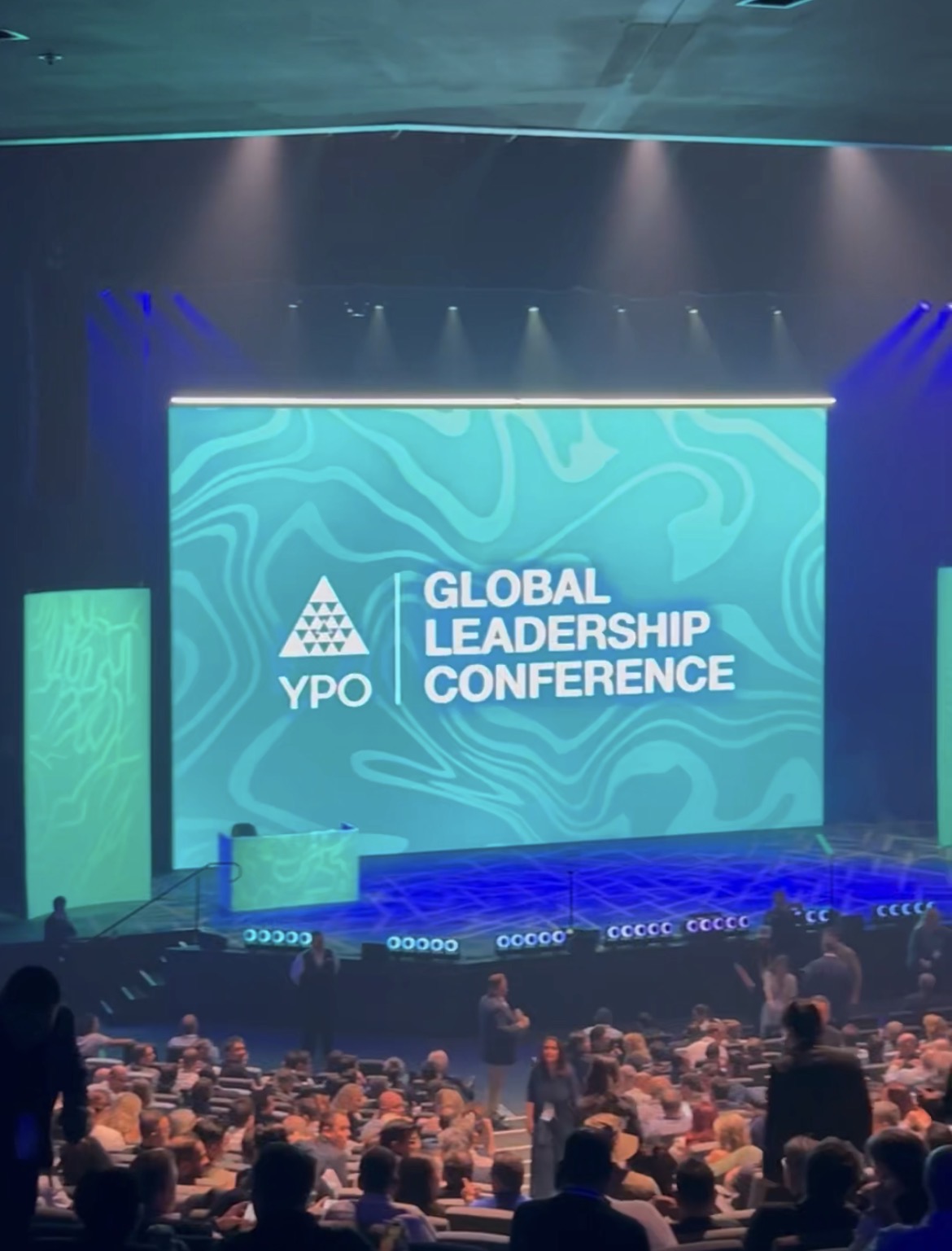
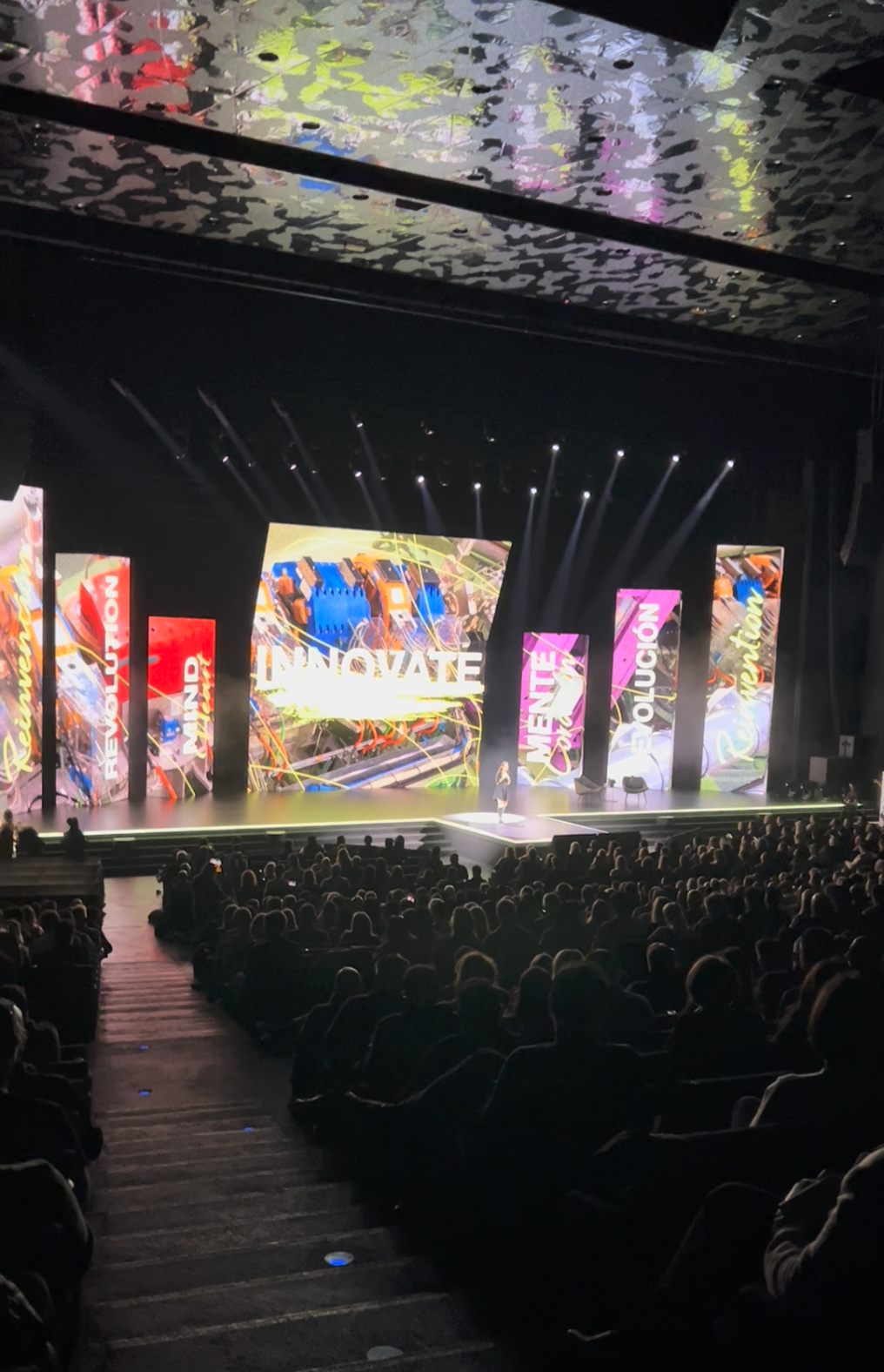
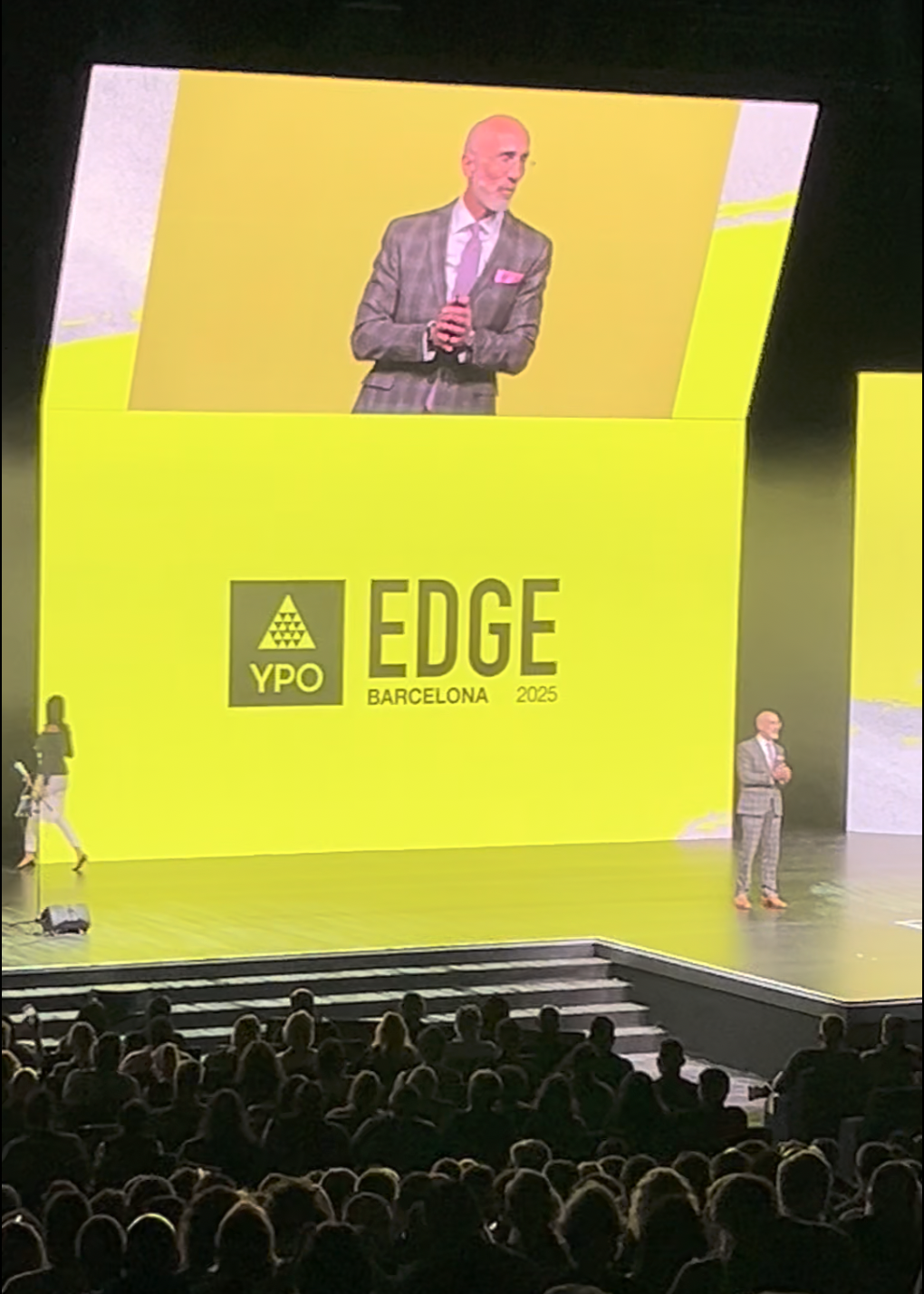
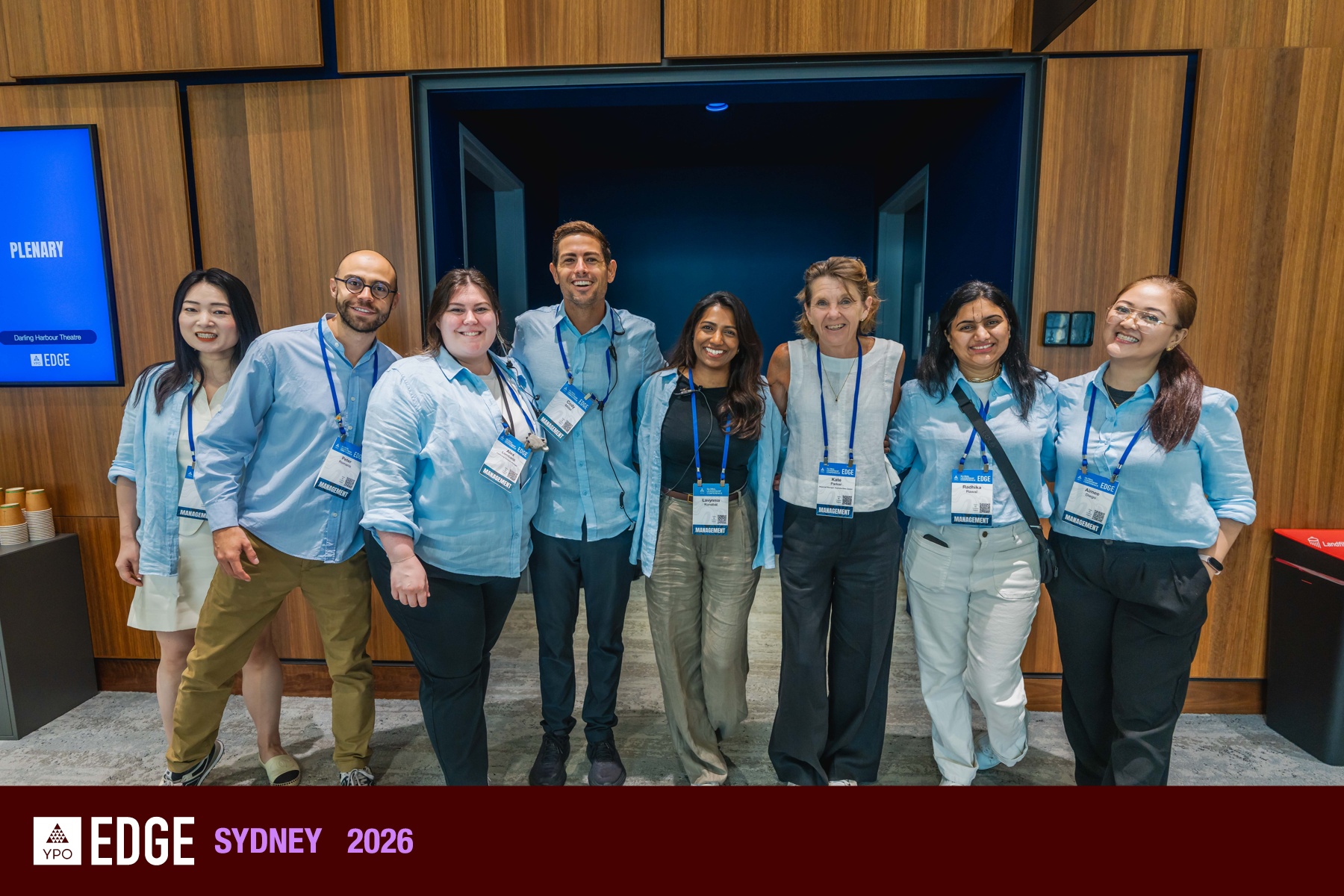
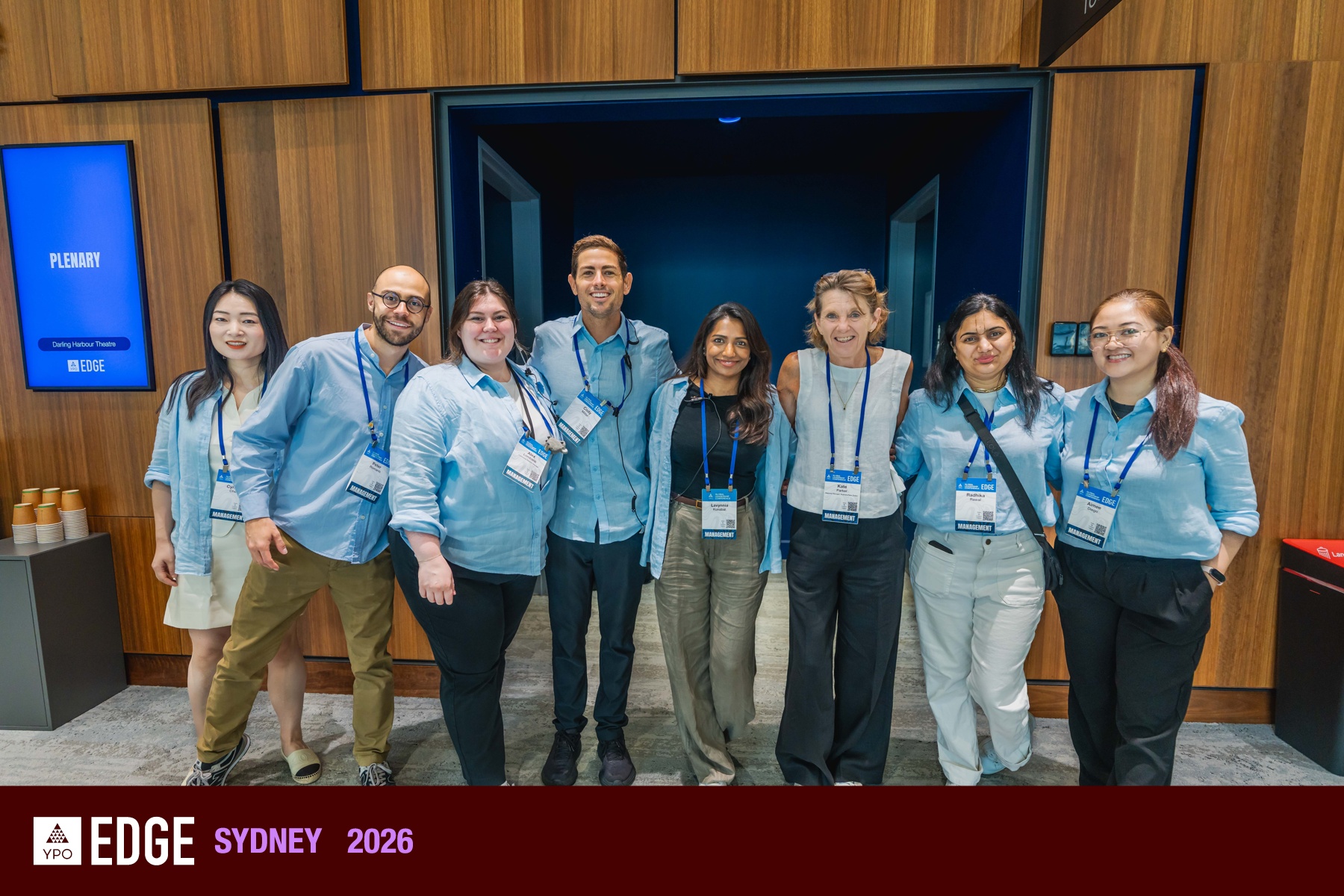
Current member of the Core Global Events Team, executing bi-annual Global Leadership Conferences, Global Business Summits, and EDGE events across Singapore, Barcelona, Sydney, Dubai, Washington D.C., and beyond.
Served on Summit's core team managing leads and member engagement, supporting event operations, and integrating AI into organisational systems. Contributed to the inaugural Summit Family Event in Washington State and continues to support Summit's Flagship events.
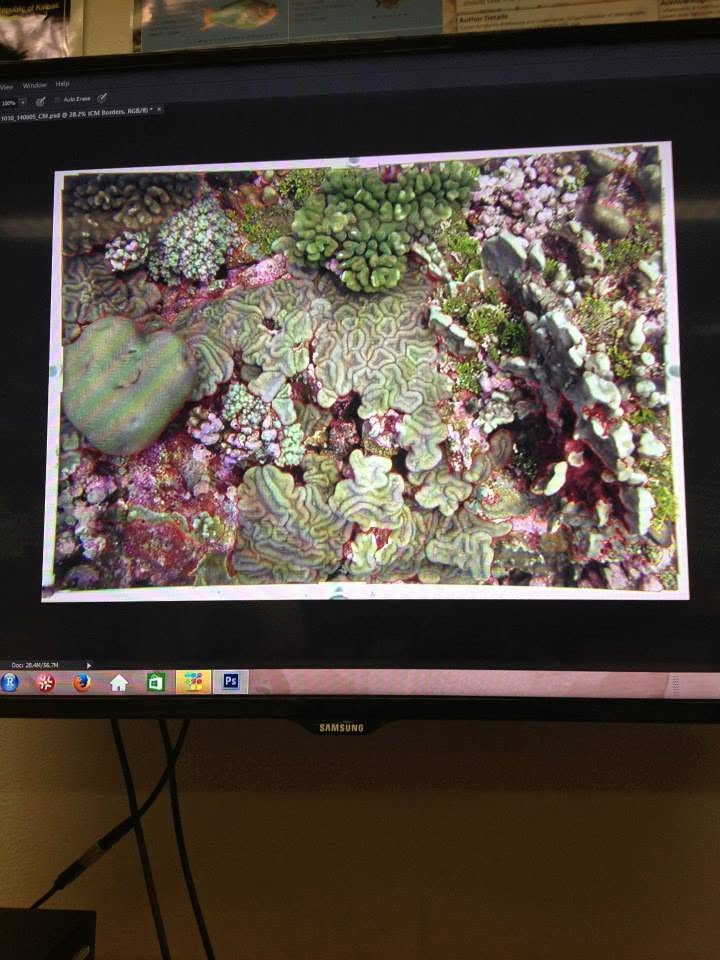
Coral reef spatial ecology research with Clinton Edwards in Dr. Stuart Sandin's laboratory at UC San Diego, tracing and identifying coral species from benthic photo-mosaic imagery to support reef environmental mapping.
Systematic data collection for the California Recreational Fisheries Survey, the state's primary monitoring programme for recreational marine fisheries, informing conservation policy along the California coast.
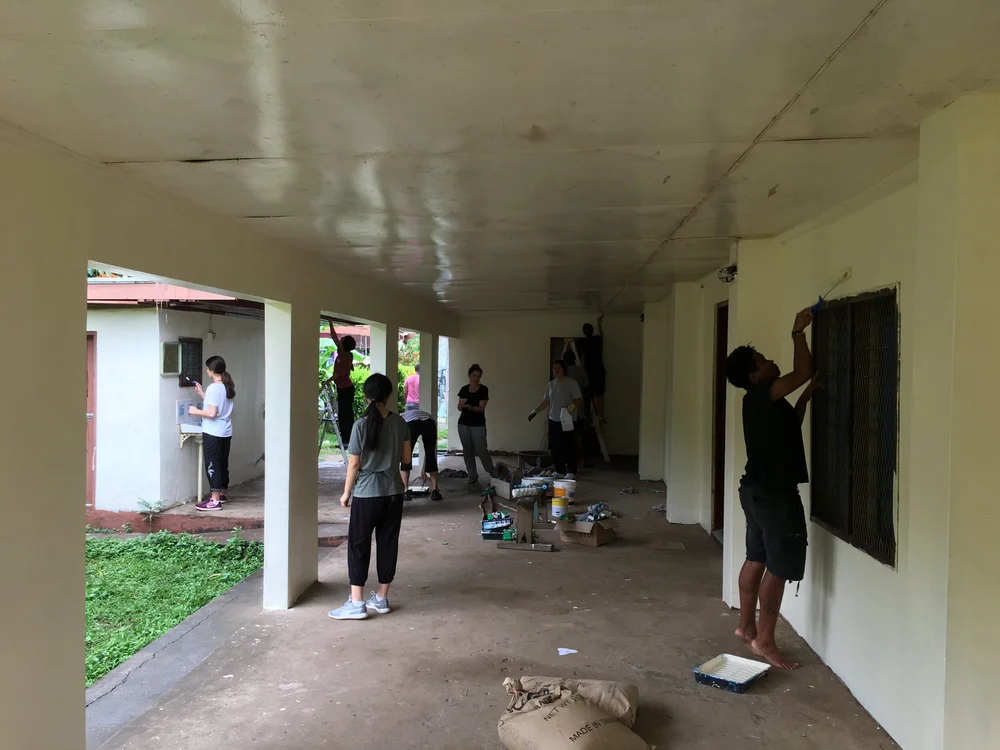
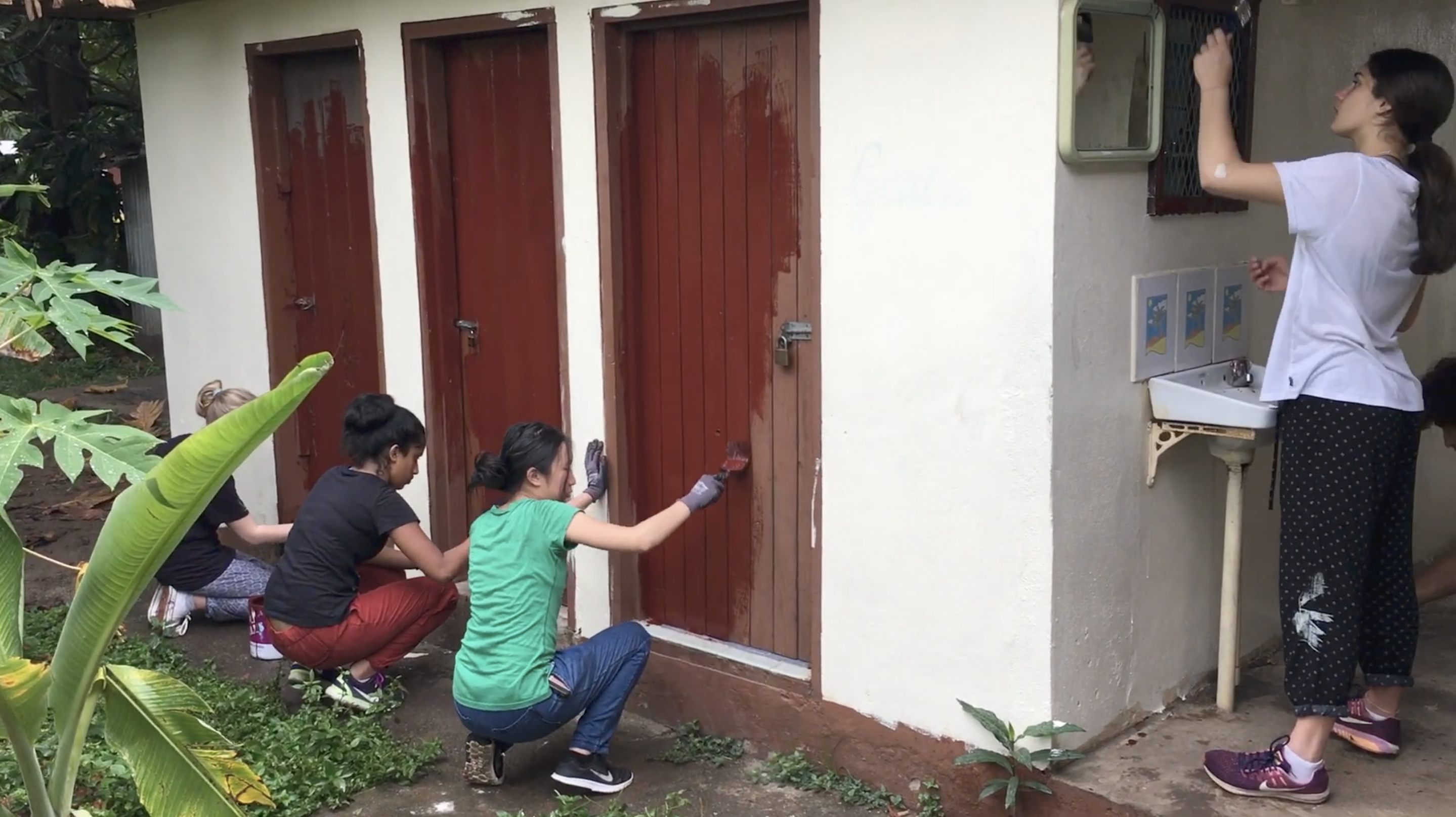
Led marine conservation and community service programmes across seven countries, including MPA co-creation in Fiji, shark conservation at Barefoot Manta, and large-scale environmental restoration initiatives.
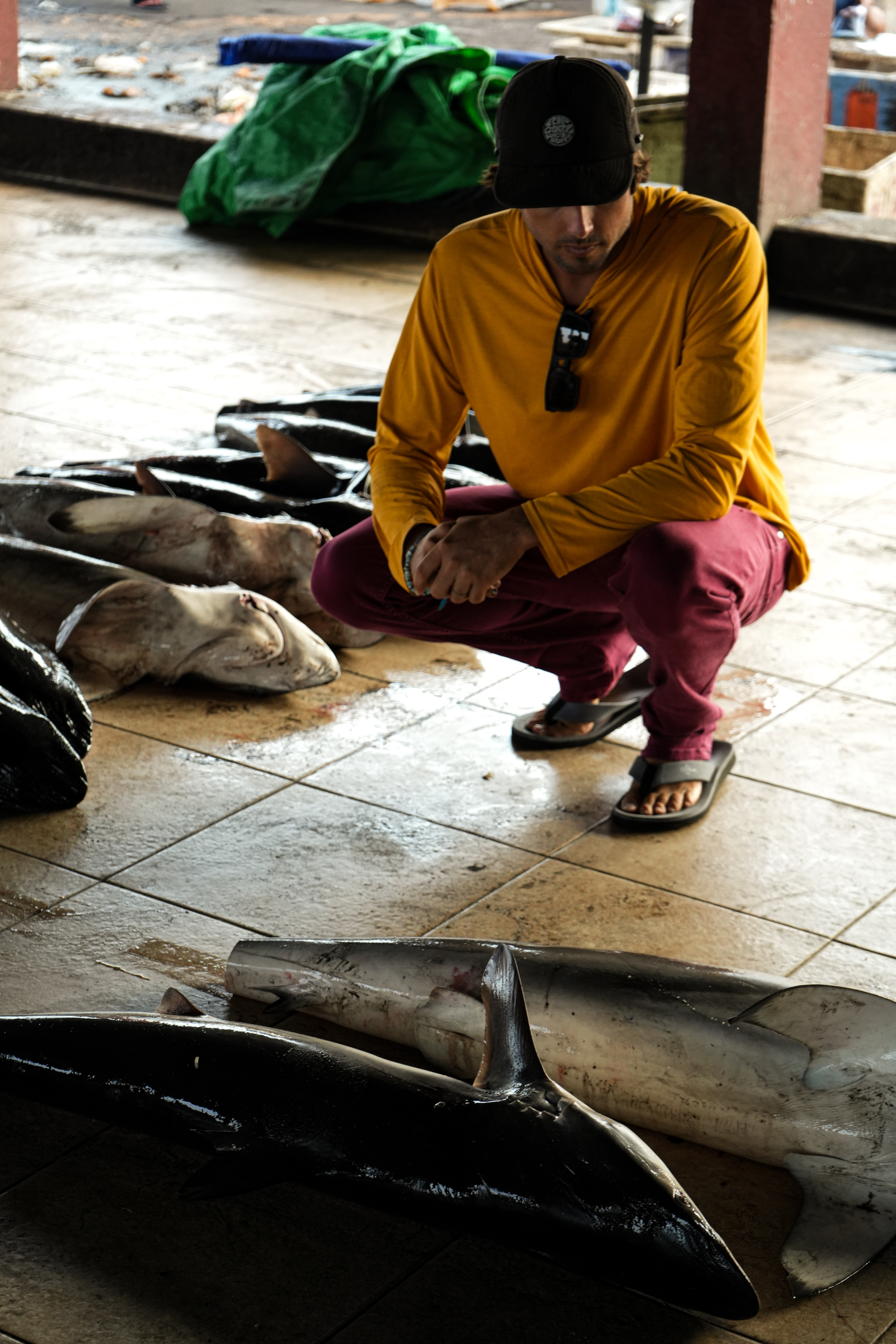
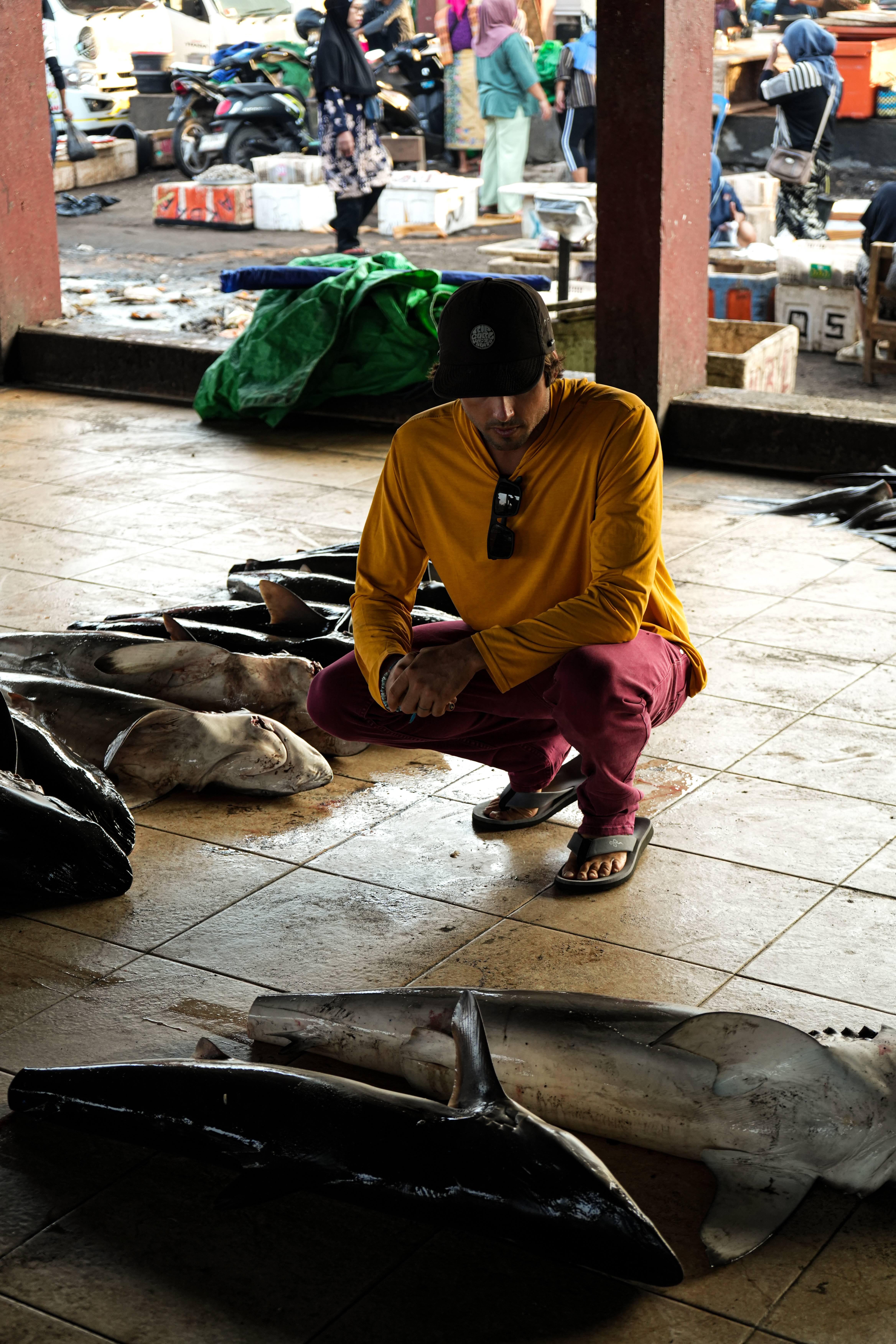
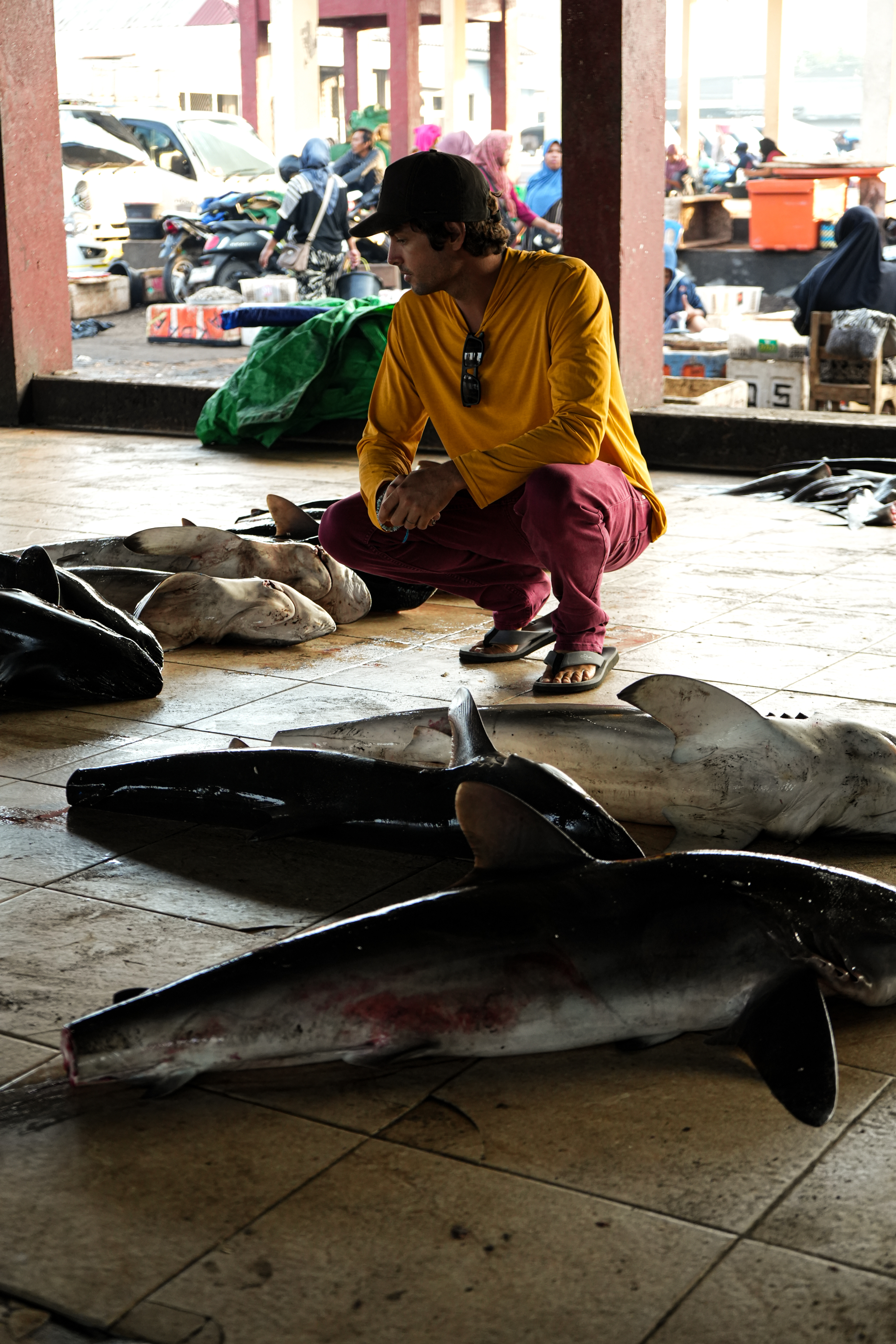
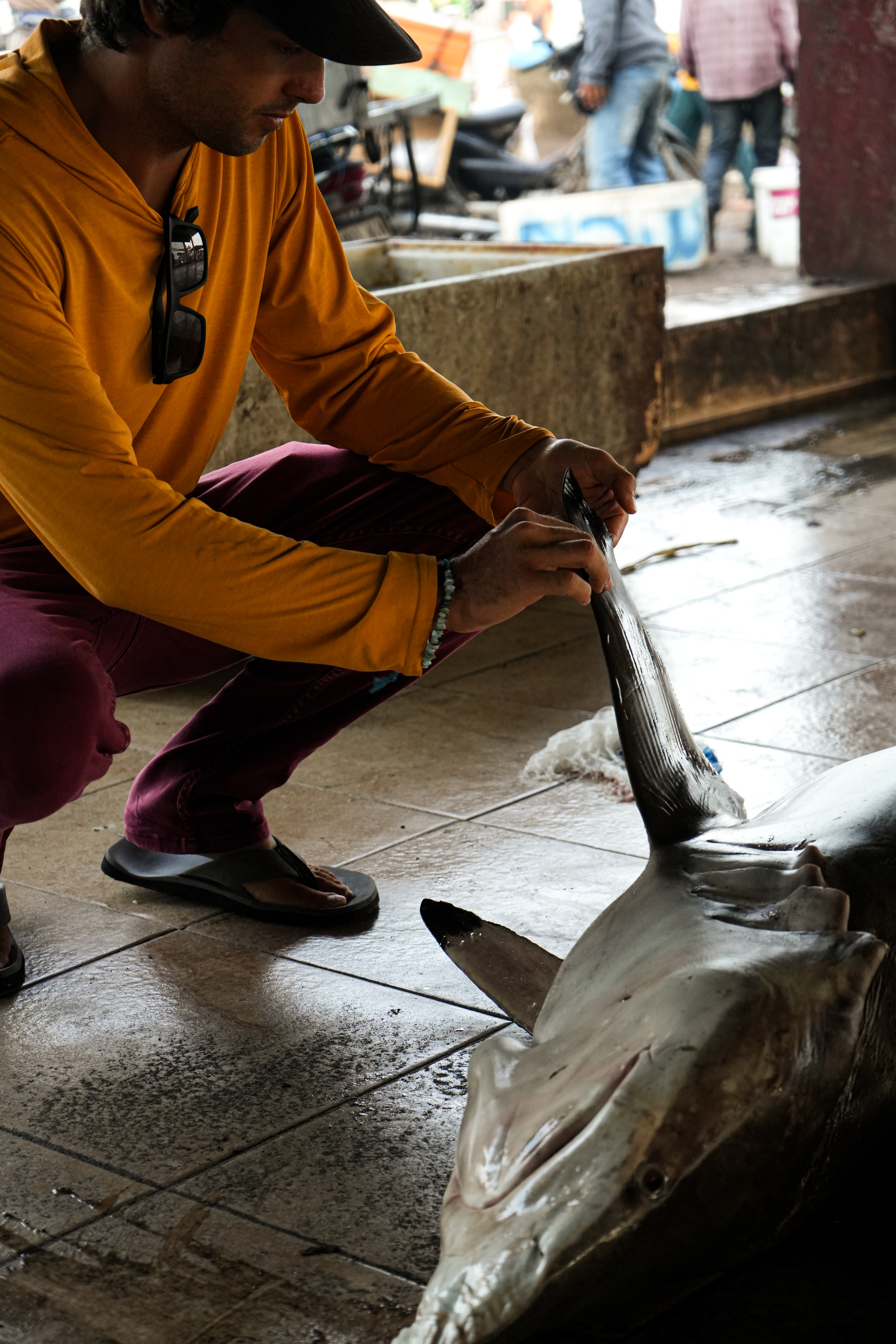
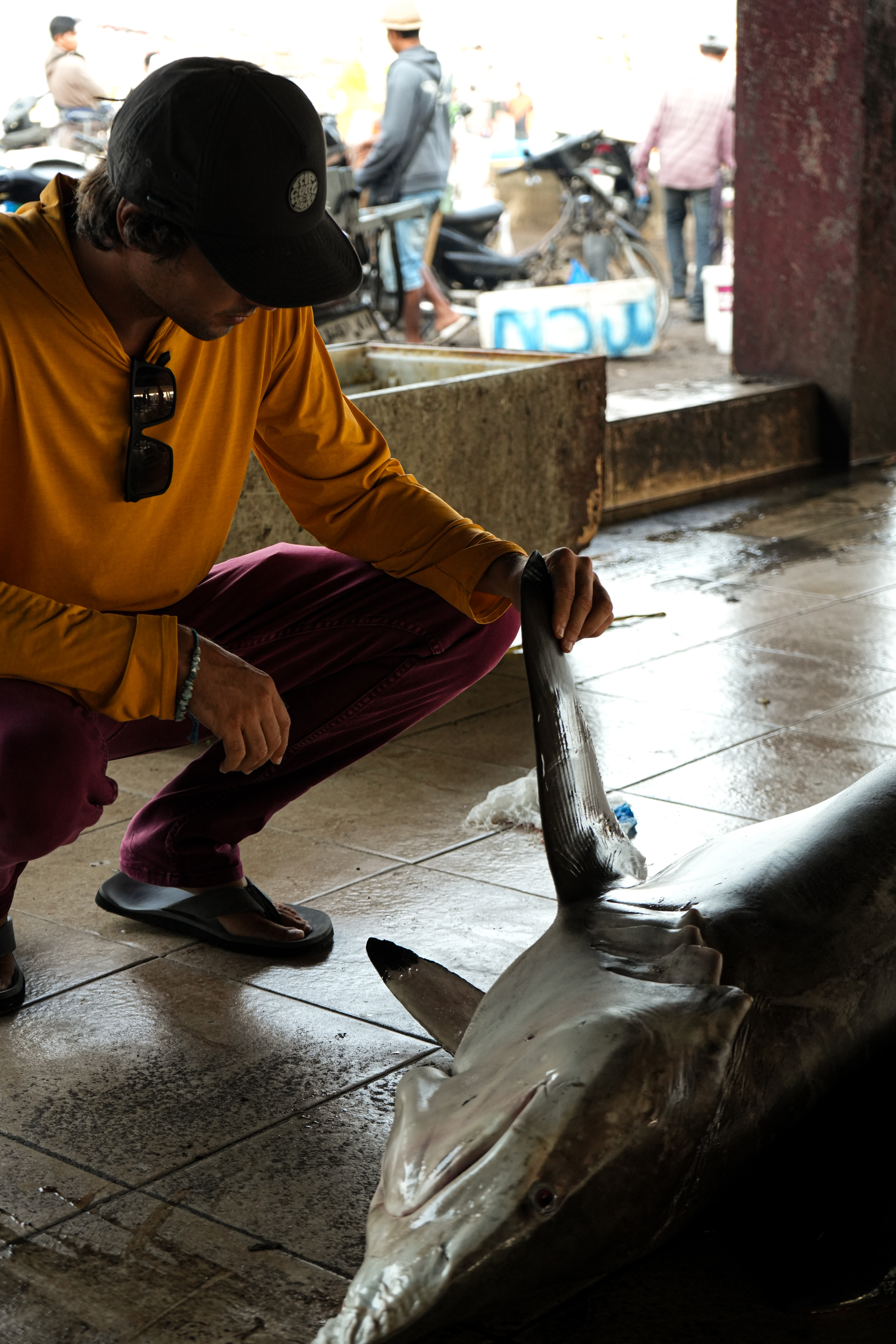
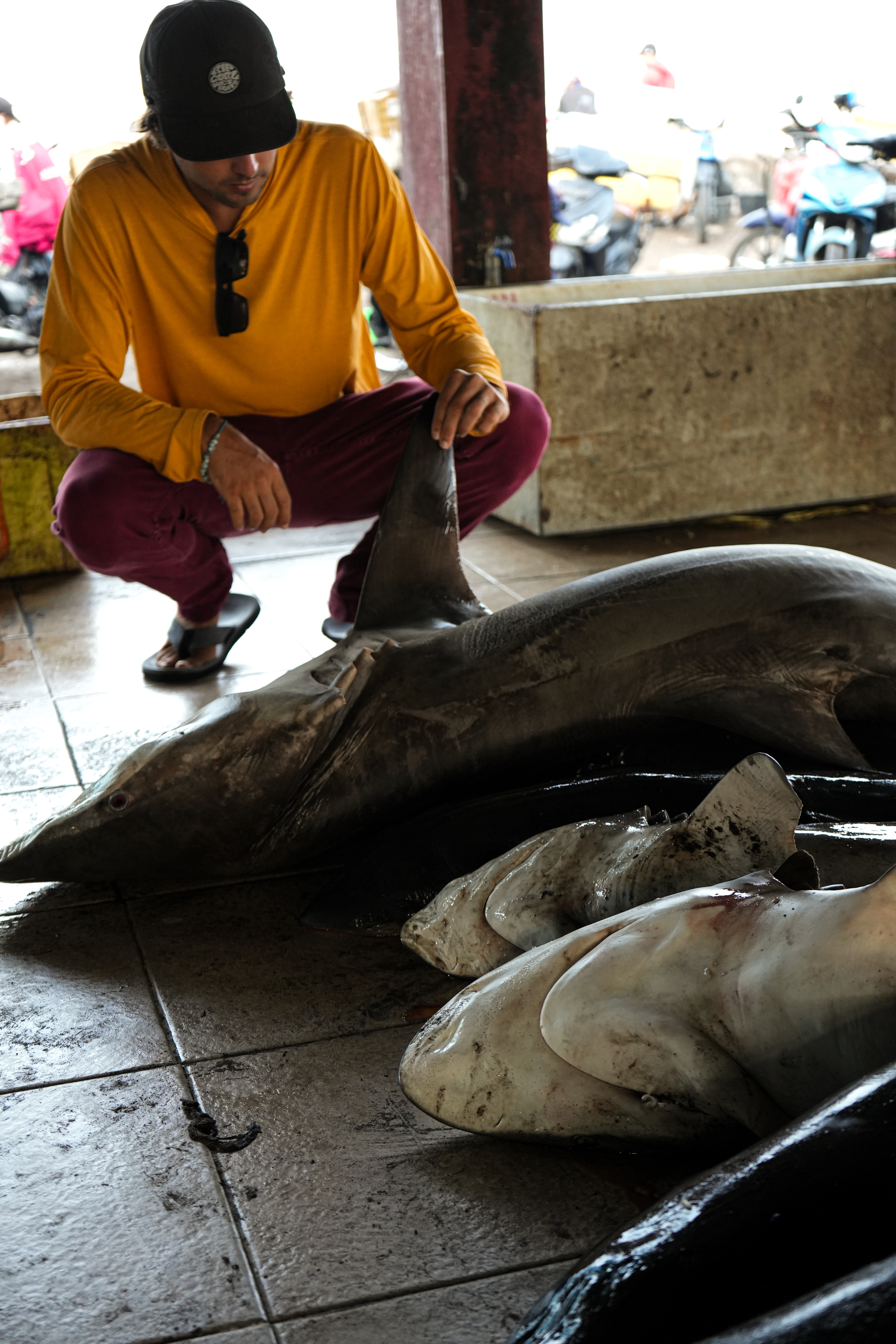
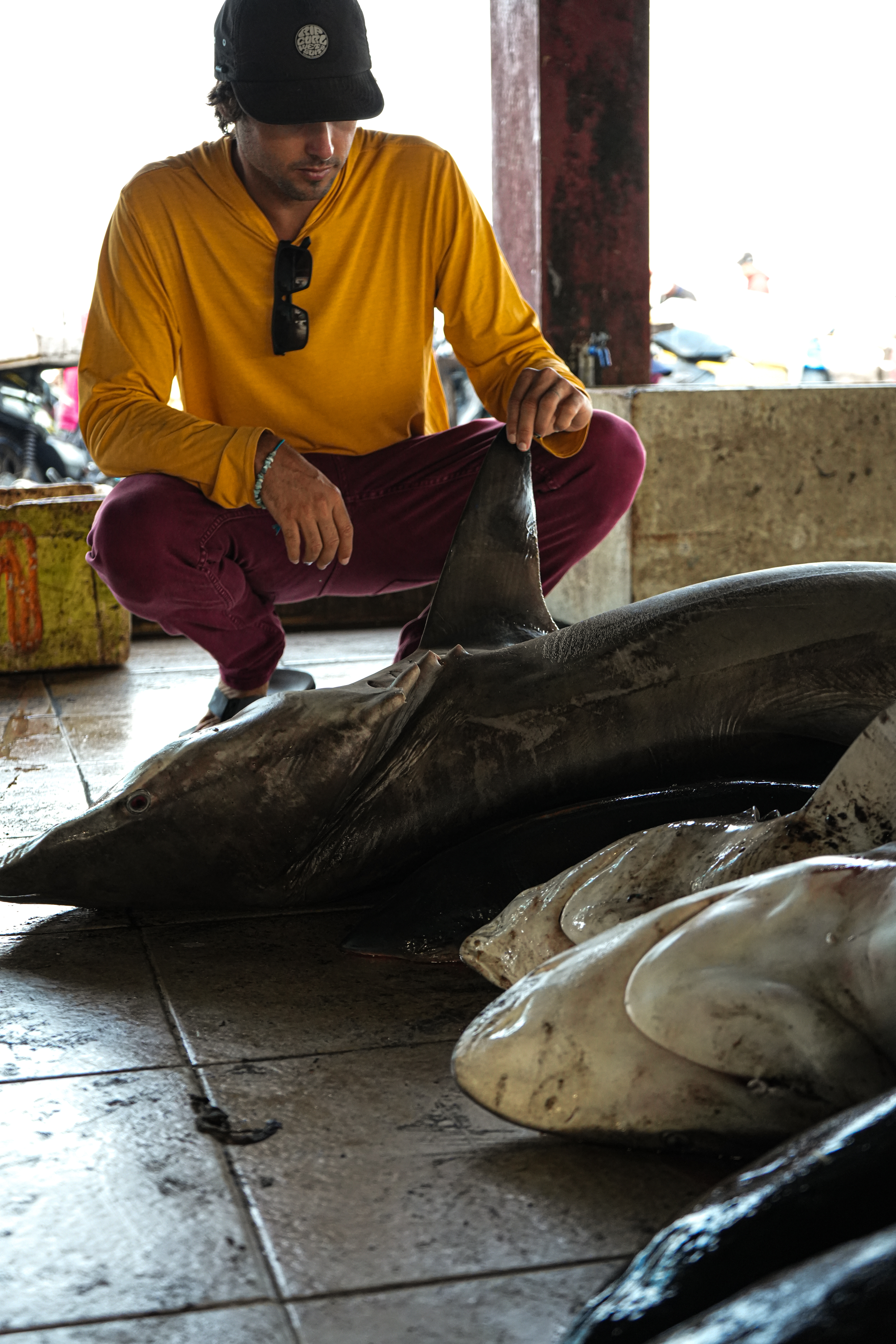
Supported a pioneering programme transitioning shark fishing communities in Indonesia toward ecotourism, reducing extraction pressure on endangered species while preserving community livelihoods.
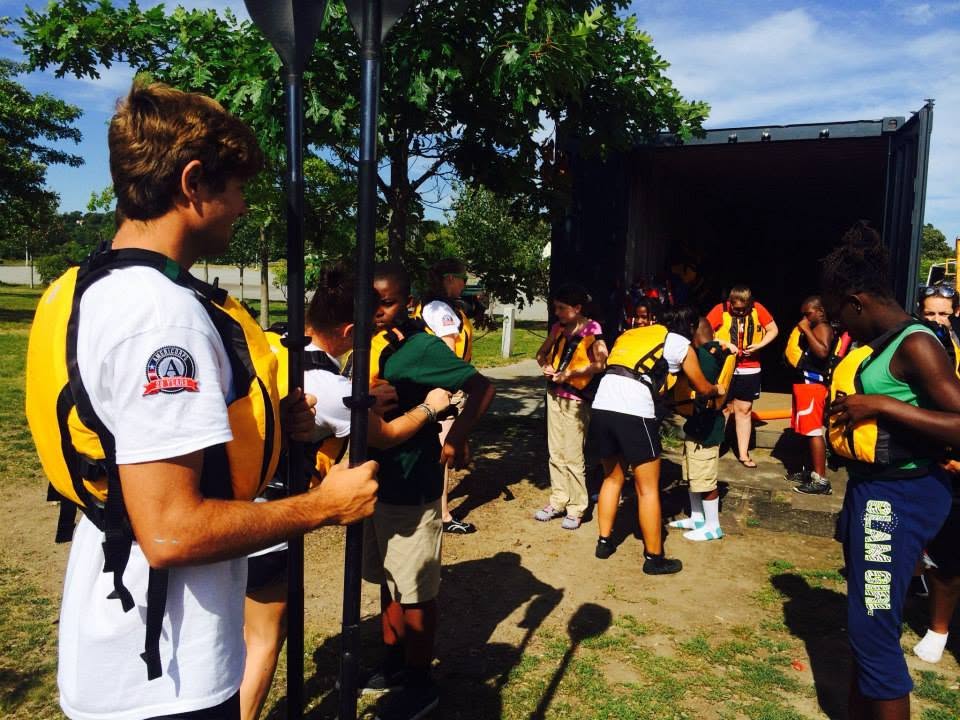
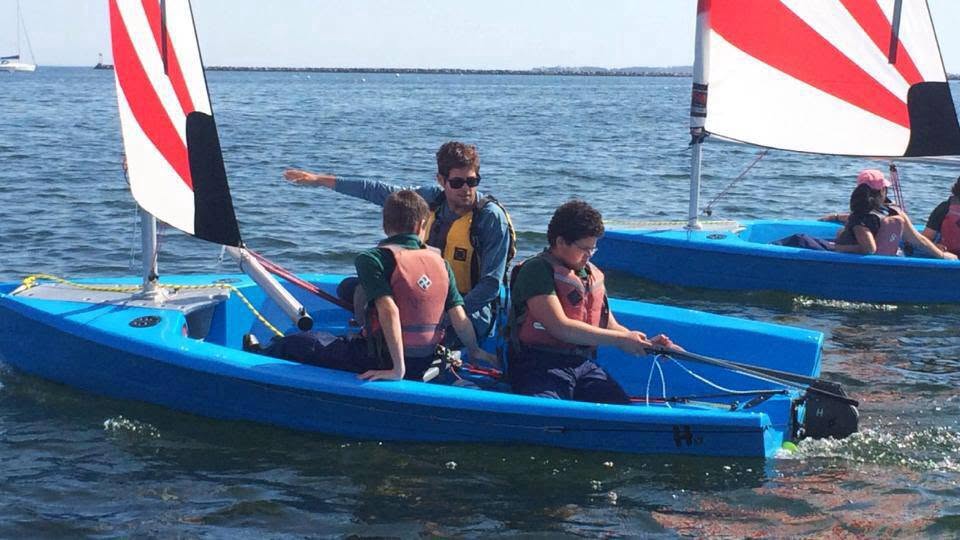
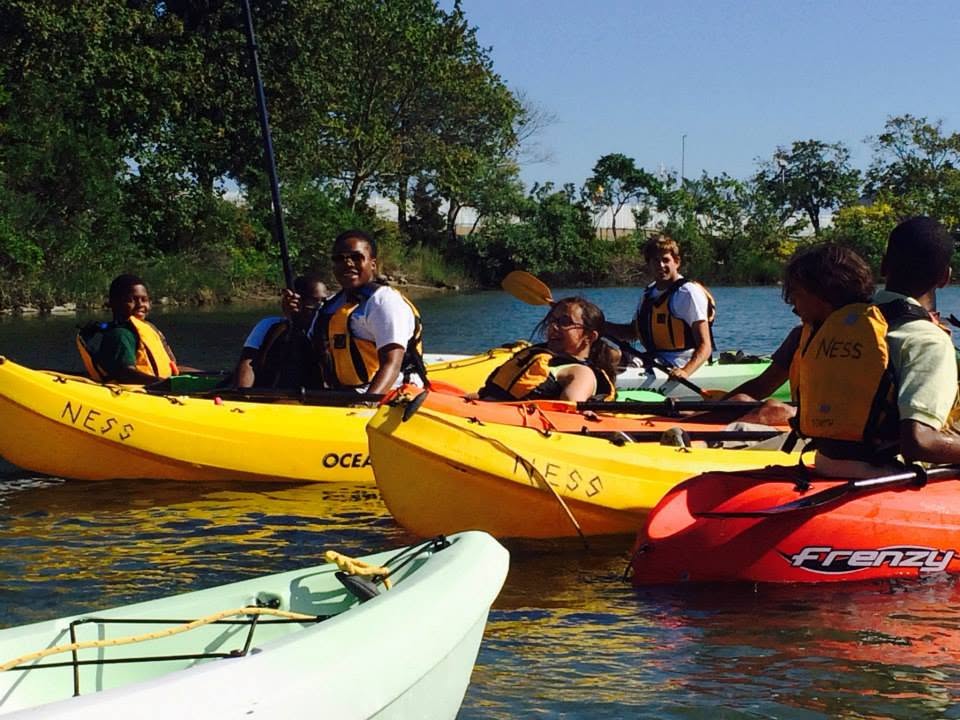
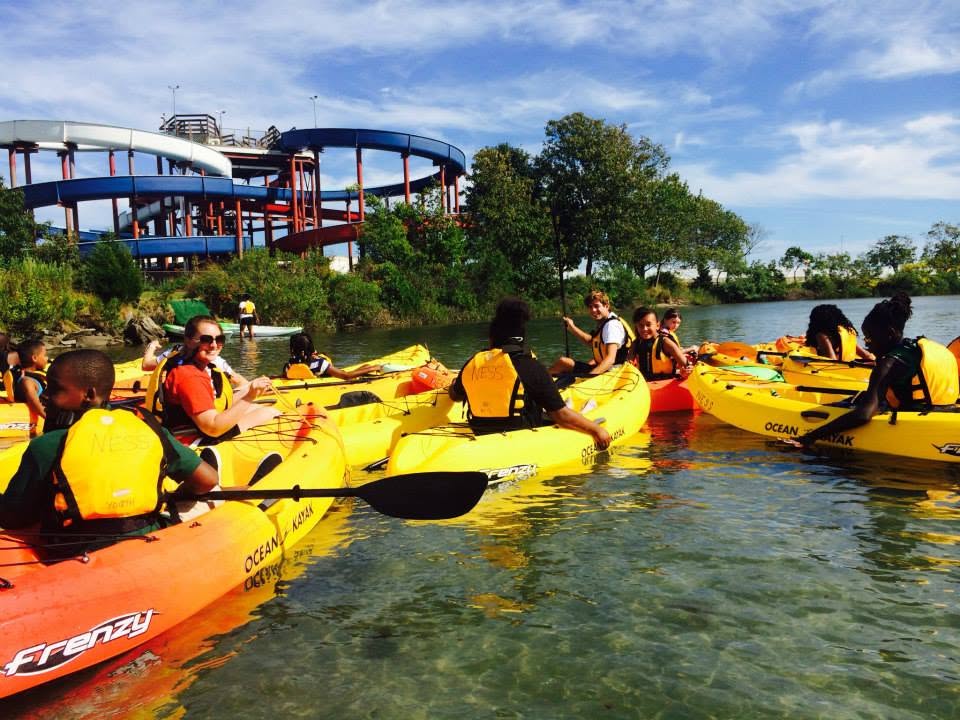
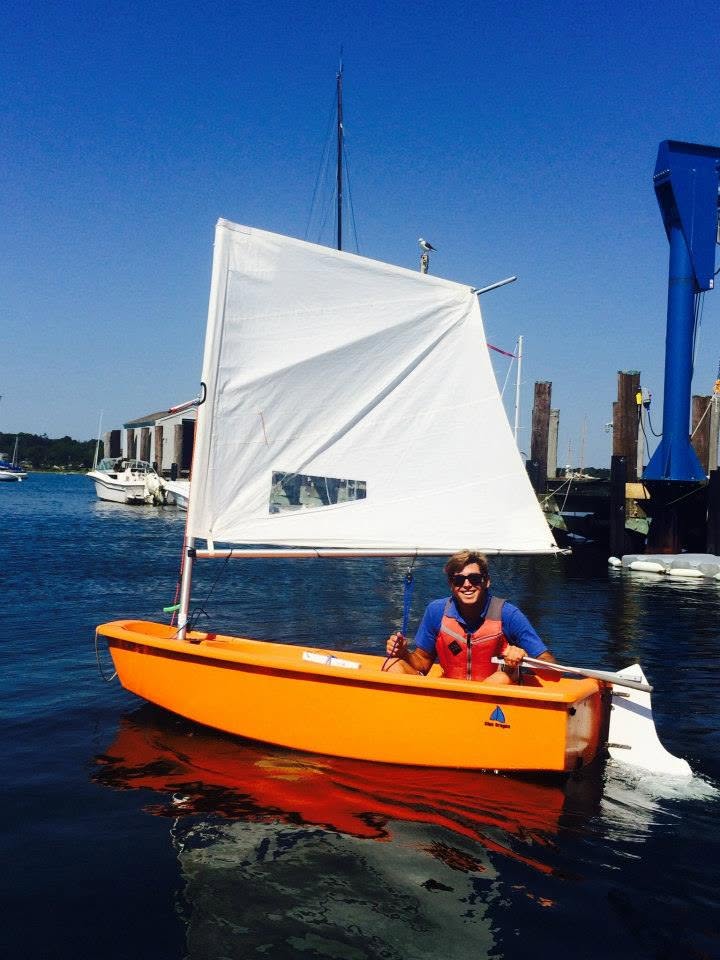
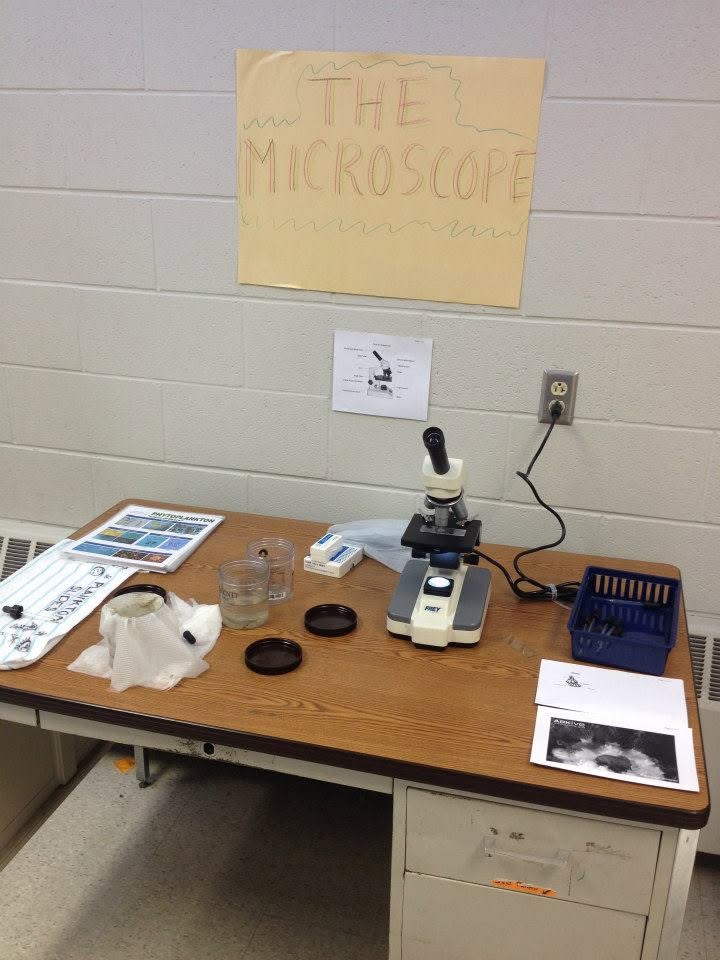
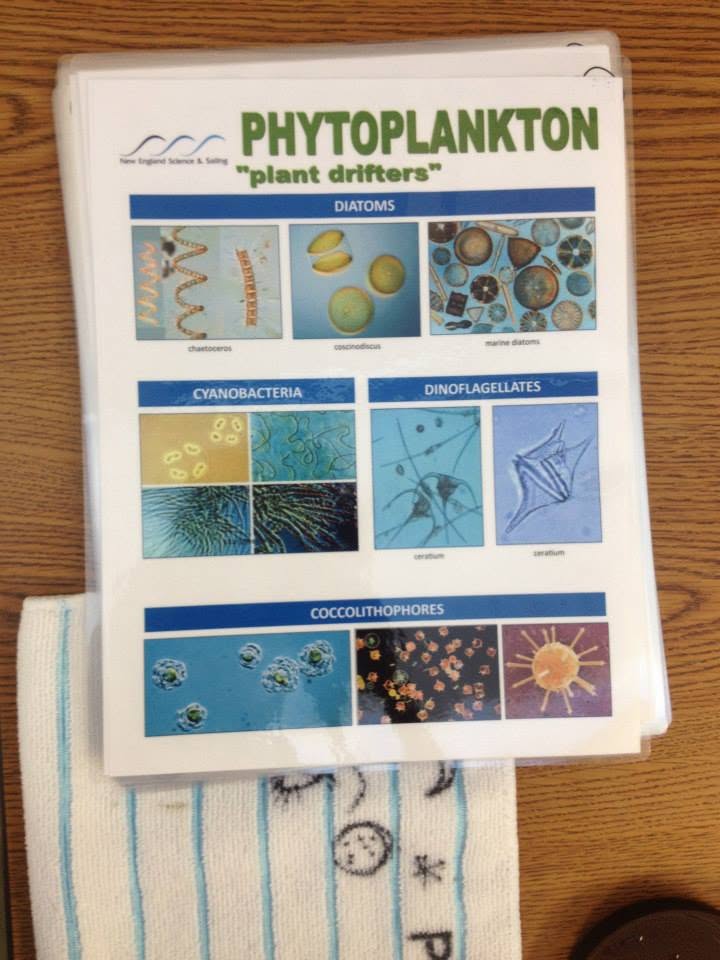
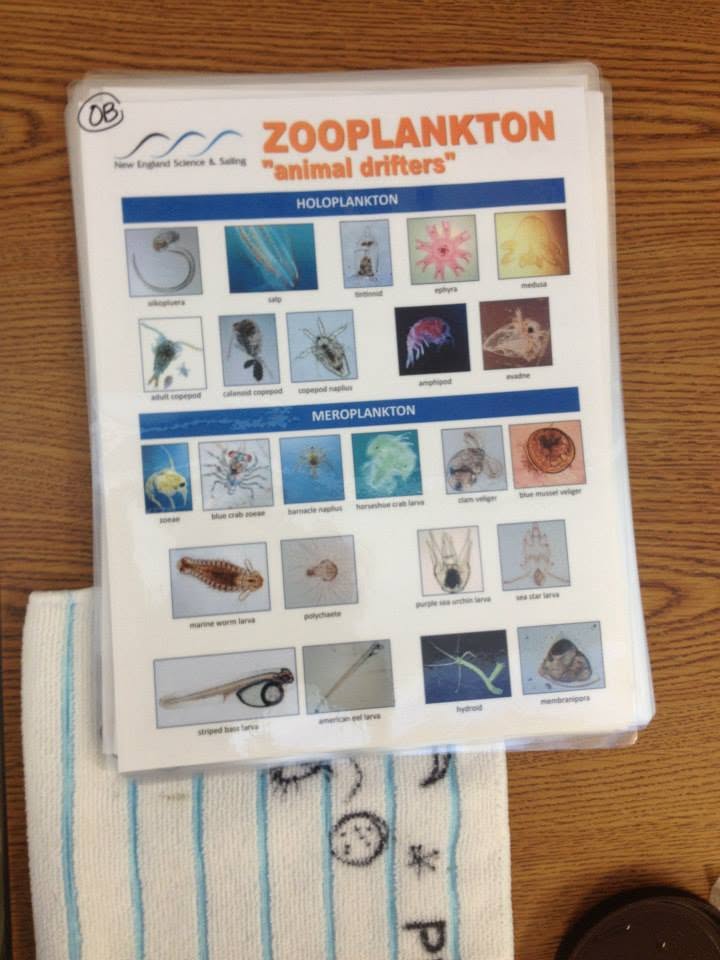
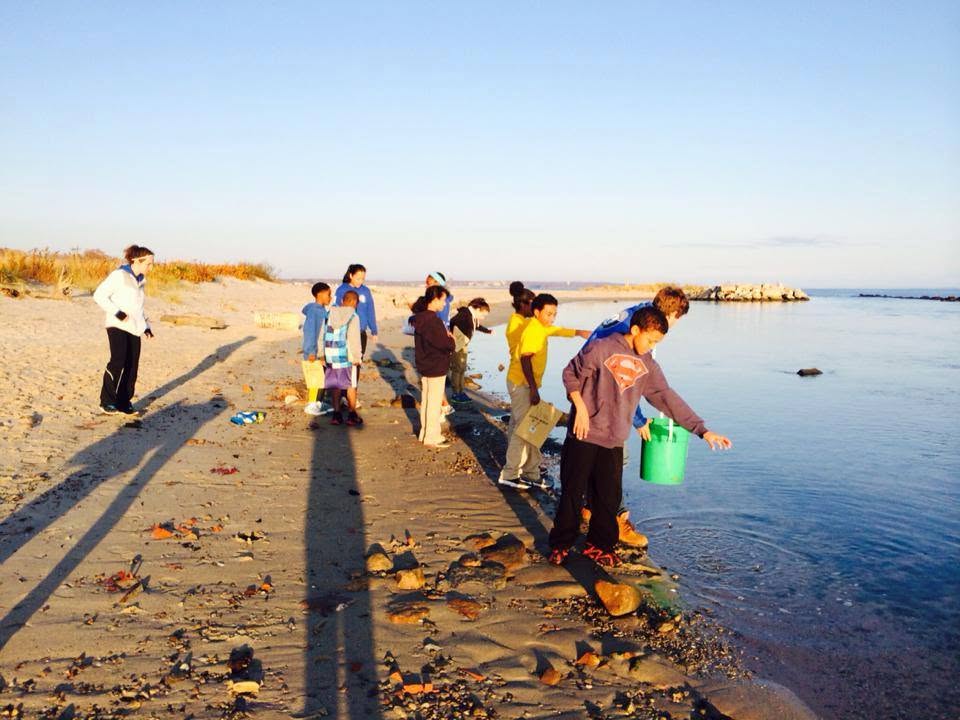
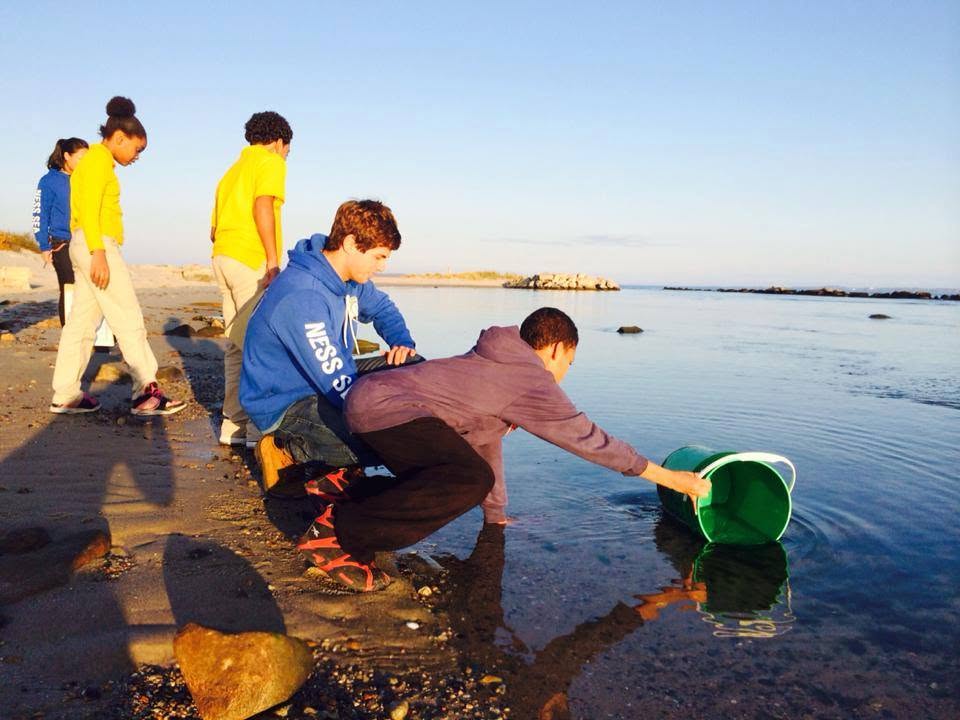
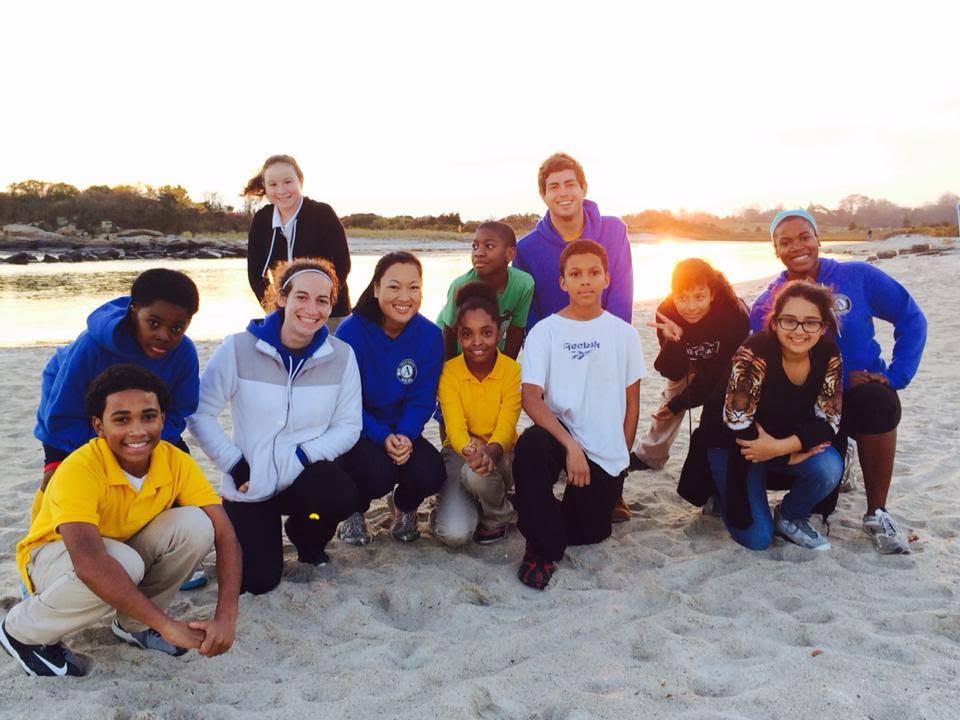
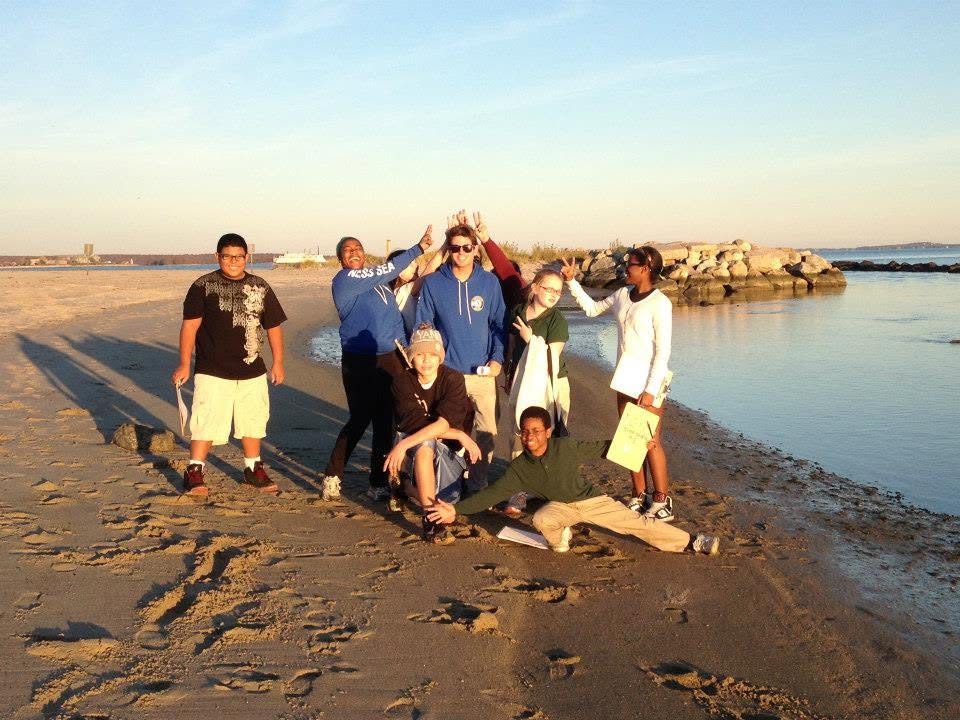
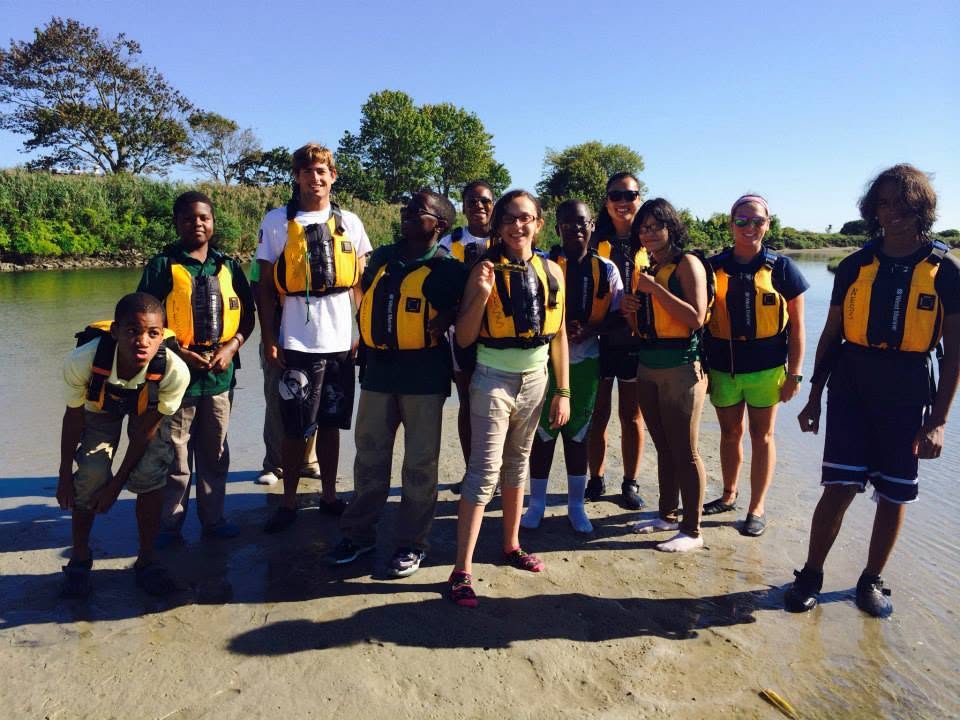
A year of national service delivering ocean-based STEM education to underserved youth, using marine science, sailing, kayaking, and snorkelling as tools for academic engagement and expanded opportunity.
Undergraduate training in marine biology, including research under Dr. Celia Smith on coral reef herbivory and invasive algae, and laboratory work with Dr. Karen Selph in biological oceanography at SOEST.
Cody's work is oriented around a single goal: advancing the science and policy frameworks needed to protect sharks and the ecosystems that depend on them. His field research and diving operations directly inform his approach to species protection at an international scale.
Developing and advancing policy frameworks that protect vulnerable shark species, drawing on field data and international research experience at the intersection of marine science and conservation law.
From Scripps Institution of Oceanography to self-directed postgraduate thesis fieldwork, collecting primary data in conditions few researchers can access, bringing scientific rigour to some of the ocean's least-studied species and ecosystems.
Trained as a fisheries biologist and holding an MRM in Coastal and Marine Management, approaching ecosystem health through applied field science and evidence-based resource management.
A career built in the water, validated by the most rigorous diving and marine science programmes in the world.
Documented encounters across five species and five oceans. Select a location to explore the full collection.
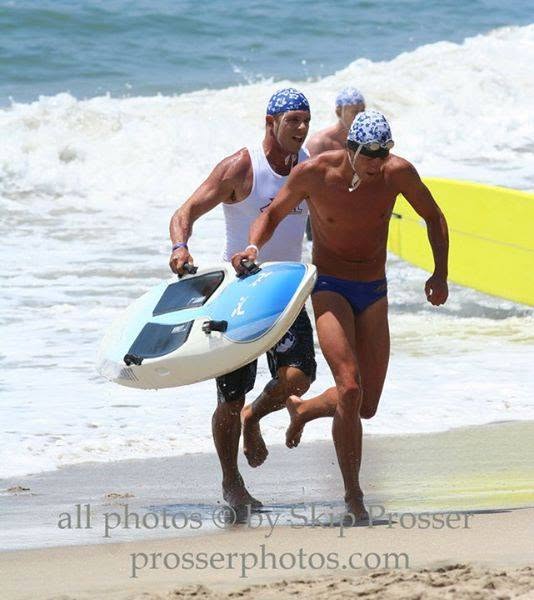
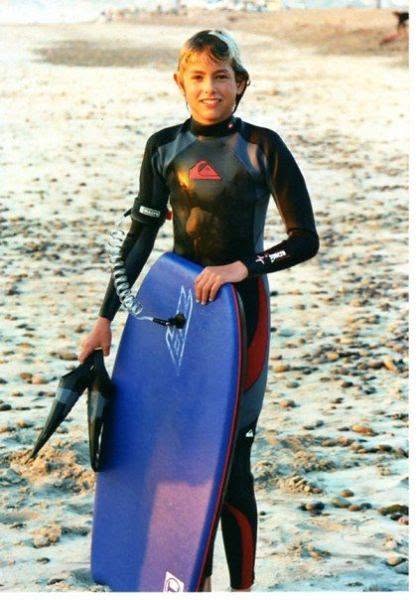
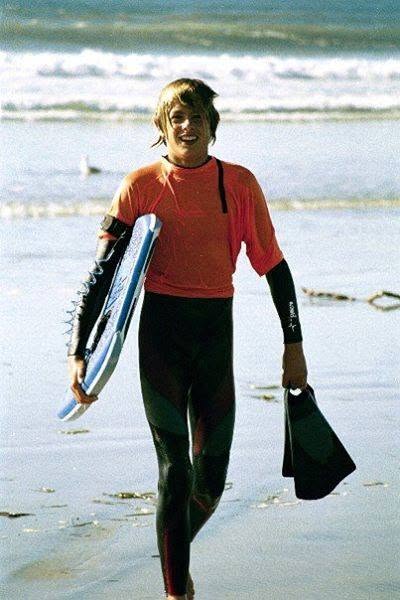
Cody's scientific career is grounded in a lifetime of elite competitive ocean sport, a foundation that distinguishes him not merely as a researcher who dives, but as a waterman in the fullest sense of the word. Forged through decades of high-performance competition across swimming, ocean lifesaving, and bodyboarding, his mastery of aquatic environments precedes and informs every dimension of his scientific and conservation work.
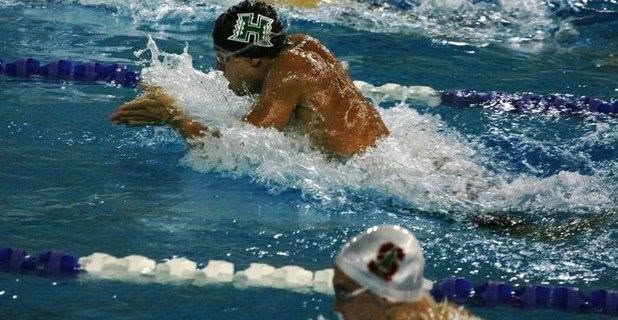
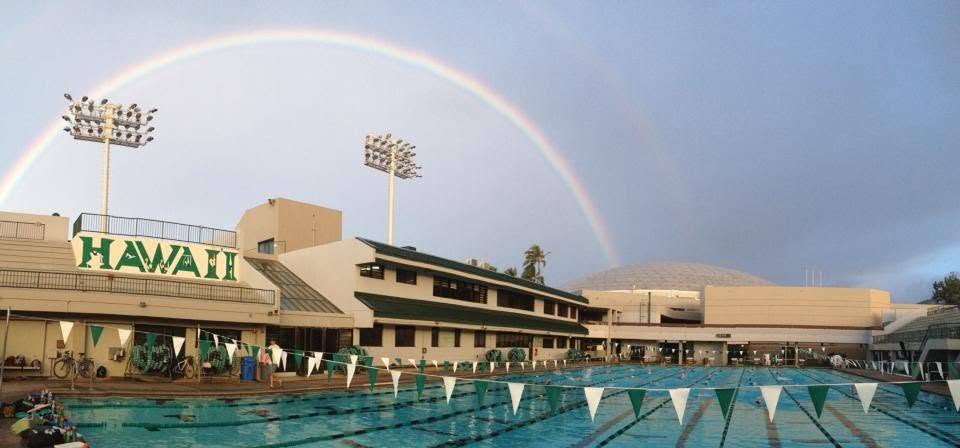
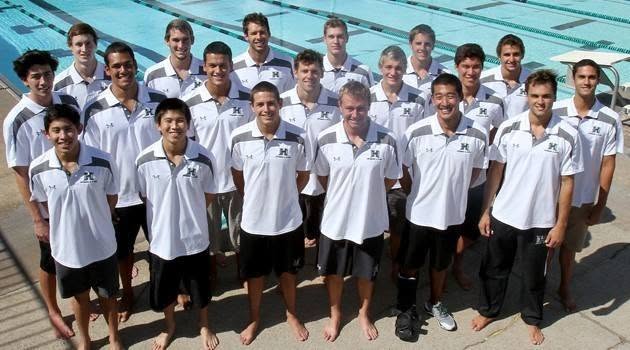
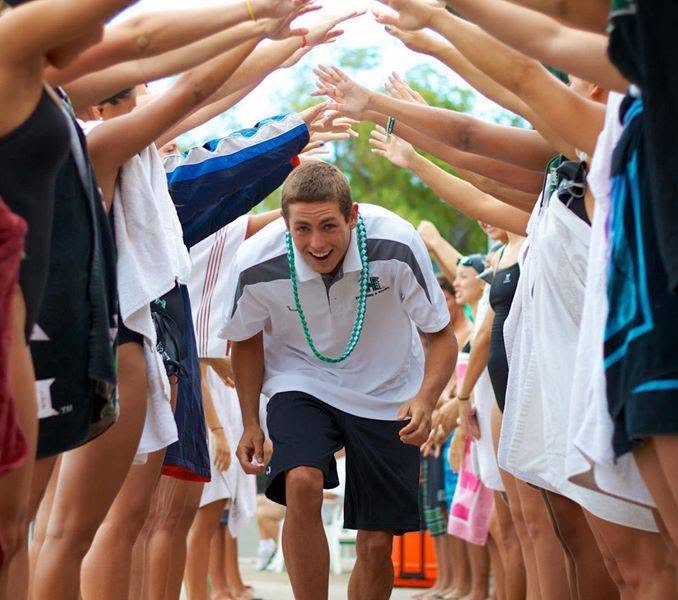
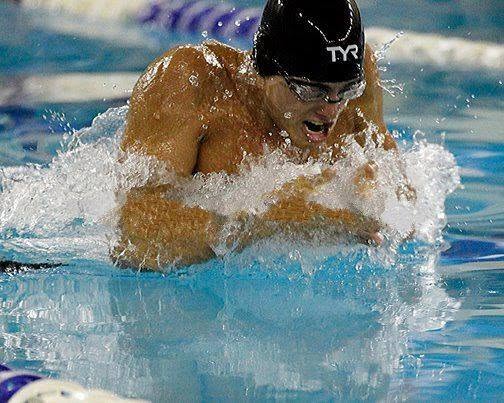
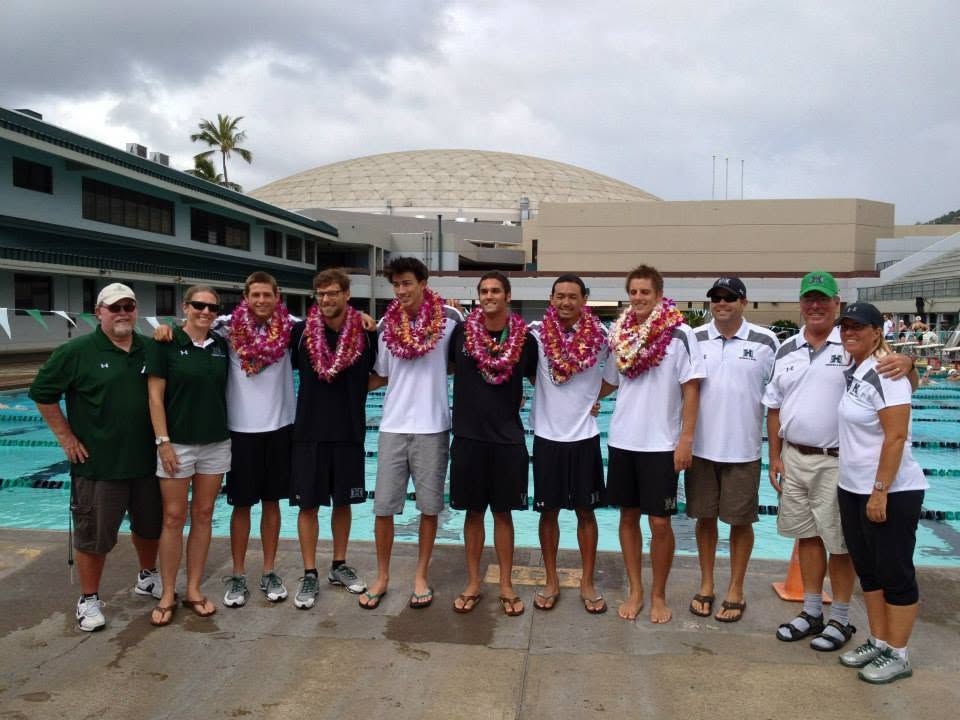
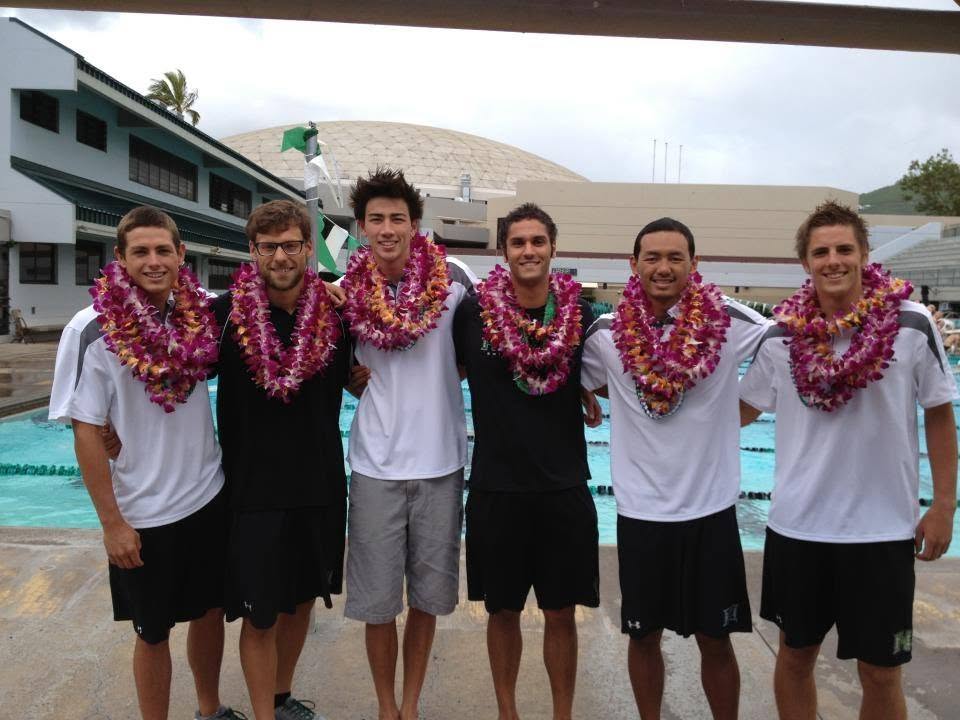
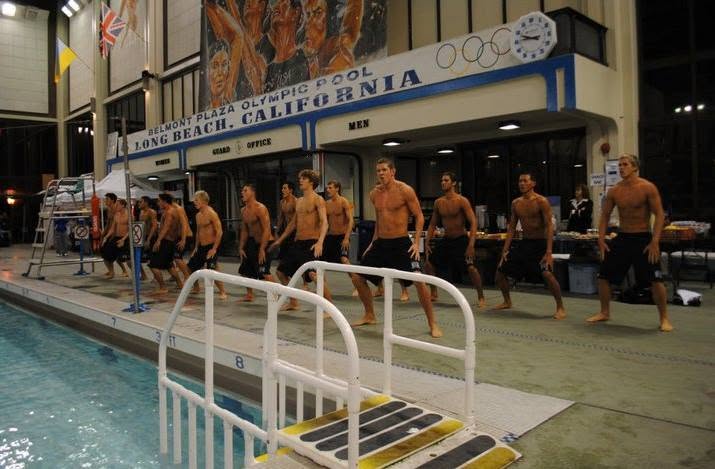
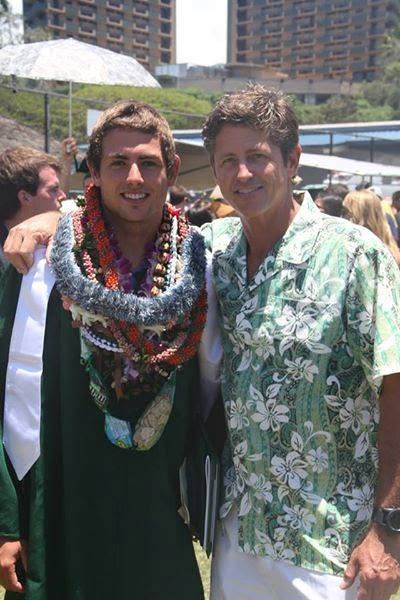
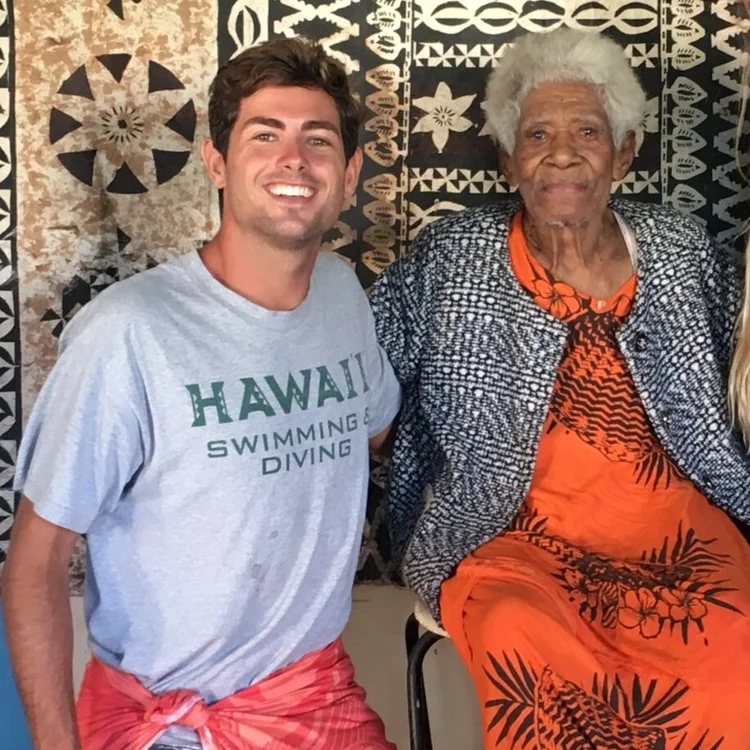
Cody competed as a Division I varsity swimmer at the University of Hawaii at Manoa, one of the most demanding levels of collegiate athletic competition in the United States, earning the distinction of USA National Qualifier and serving as Team Captain. Under his leadership, the team claimed three out of four conference championships. The USA National Qualifier standard is among the most rigorous performance benchmarks in American swimming, attained by a small percentage of collegiate athletes nationally. Competing at this level while simultaneously pursuing a degree in Marine Biology required the same discipline, time management, and performance under pressure that characterise his approach to scientific fieldwork.
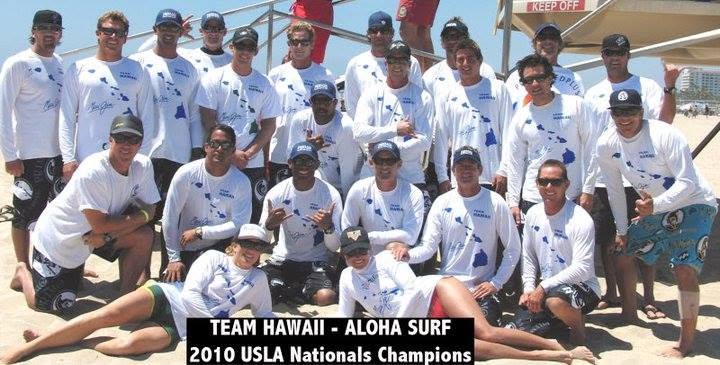
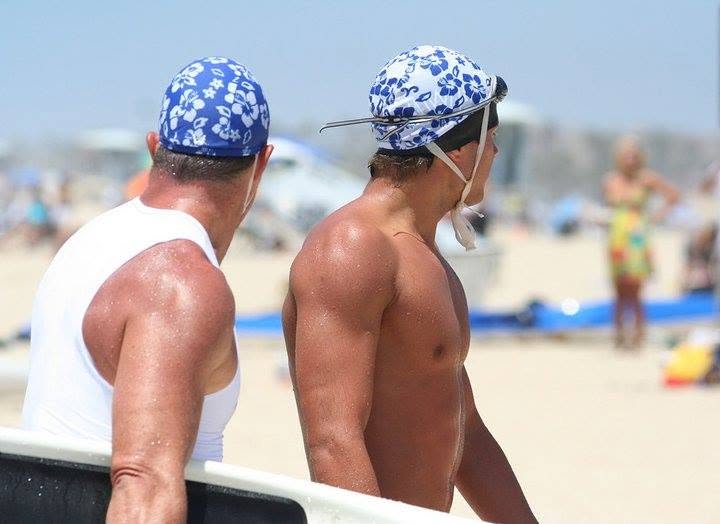
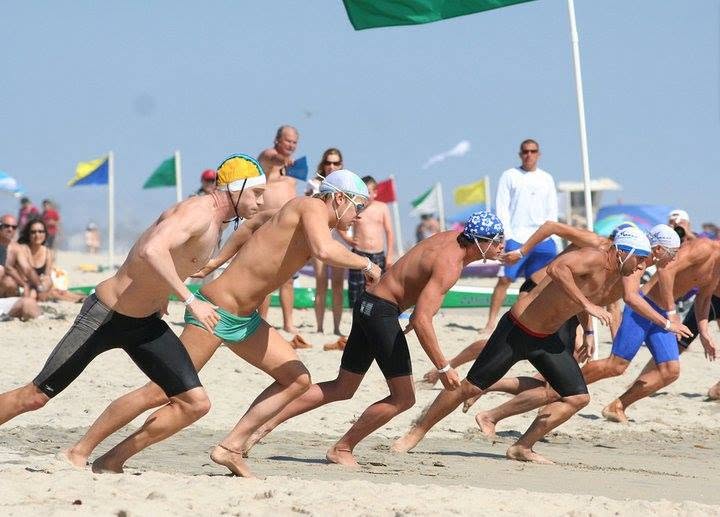
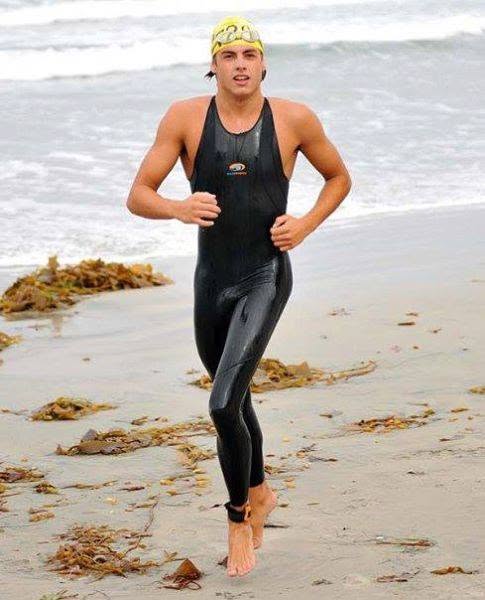
Cody competed as a member of Team Hawaii at the United States Lifesaving Association National Championships, the premier competitive ocean lifesaving event in the country, encompassing surf swimming, board racing, rescue relay, and open-water disciplines that demand exceptional ocean fitness, technical water-reading ability, and composure in dynamic surf conditions. As part of Team Hawaii Aloha Surf, Cody was a member of the squad that won the 2010 USLA National Championship title and individually finished second in the nation. These results represent the highest level of certified open-water competitive performance, credentials directly applicable to the scientific diving operations and remote field environments that define his professional work.
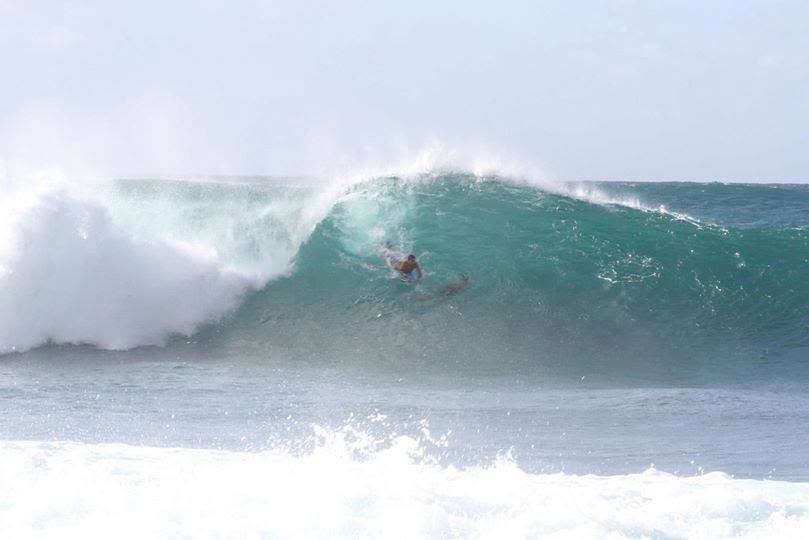
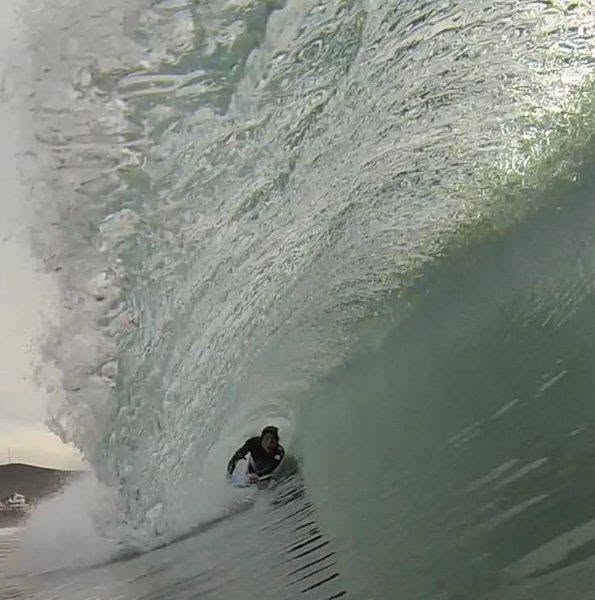
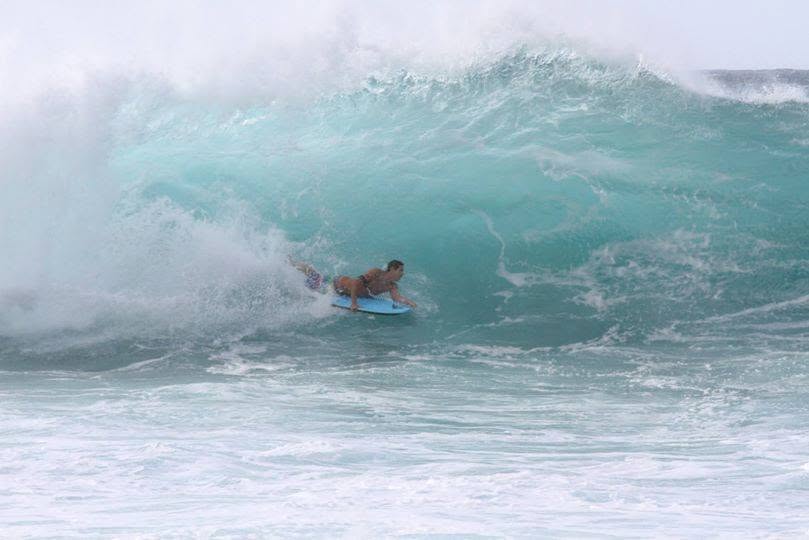
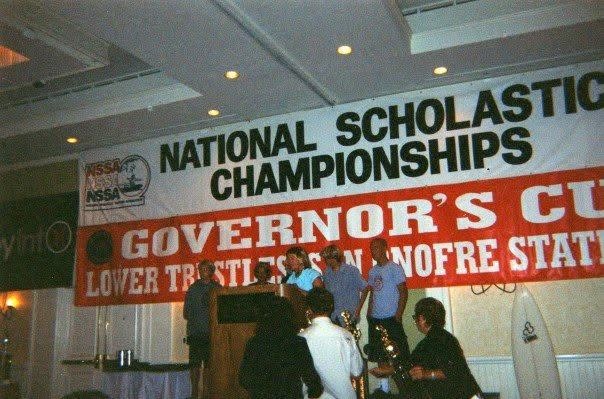
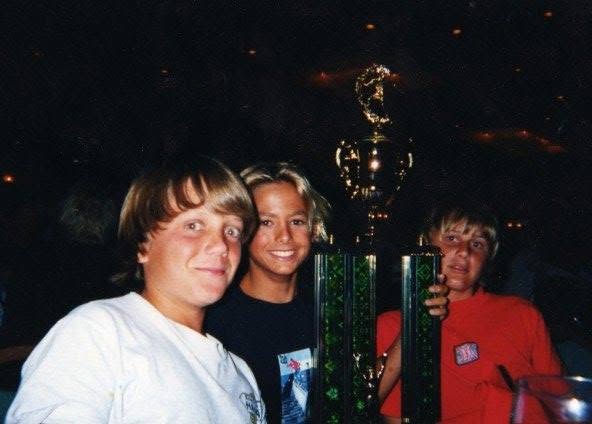
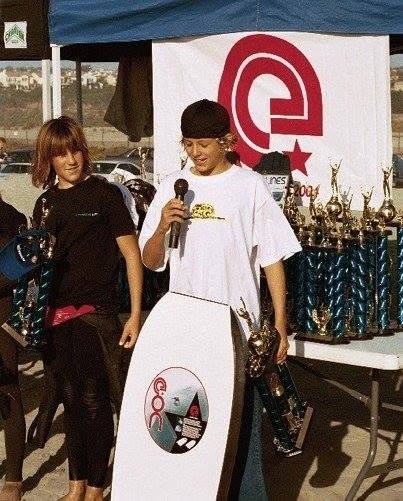
Cody finished third at the NSSA National Championship in bodyboarding. The NSSA is the largest competitive surfing and bodyboarding organisation in the country, and a podium finish at the national championships represents consistent high-level performance against the strongest junior athletes in the nation. A discipline demanding acute wave-reading ability, precise positioning in powerful and often dangerous surf, and the physical resilience to perform in challenging open-ocean conditions, competitive bodyboarding at this level is a genuine test of elite ocean athleticism. Following his collegiate swimming career, Cody continued competing at the professional level, reaching the semi-finals of a professional bodyboarding competition in Mexico against elite international athletes. This progression from national championship podium to professional-circuit semi-finalist across different chapters of life speaks to a sustained and exceptional relationship with the ocean that underpins every dimension of his scientific and conservation work.
The arc from elite competitive swimmer to national lifesaving champion to professional bodyboarder to AAUS scientific diver and HSE Class IV commercial diver is not coincidental. It is the logical progression of a life dedicated to understanding and mastering the ocean as both an environment and a subject of scientific inquiry. The physical standards, technical proficiency, and psychological composure demanded by elite competitive ocean sport are the same qualities that make effective fieldwork possible in the open-ocean environments where Cody's conservation work takes place. His credentials as a waterman are inseparable from his credentials as a scientist.
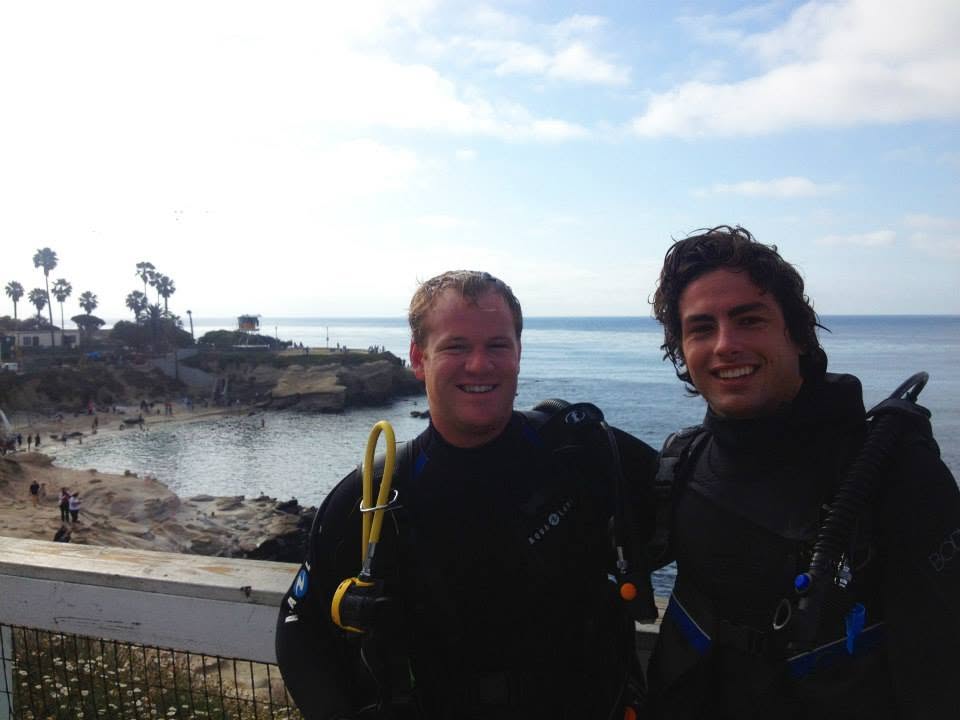
Open to collaborative research, scientific diving operations, media projects, and conservation initiatives. Cody works selectively, prioritising fieldwork and direct conservation impact.
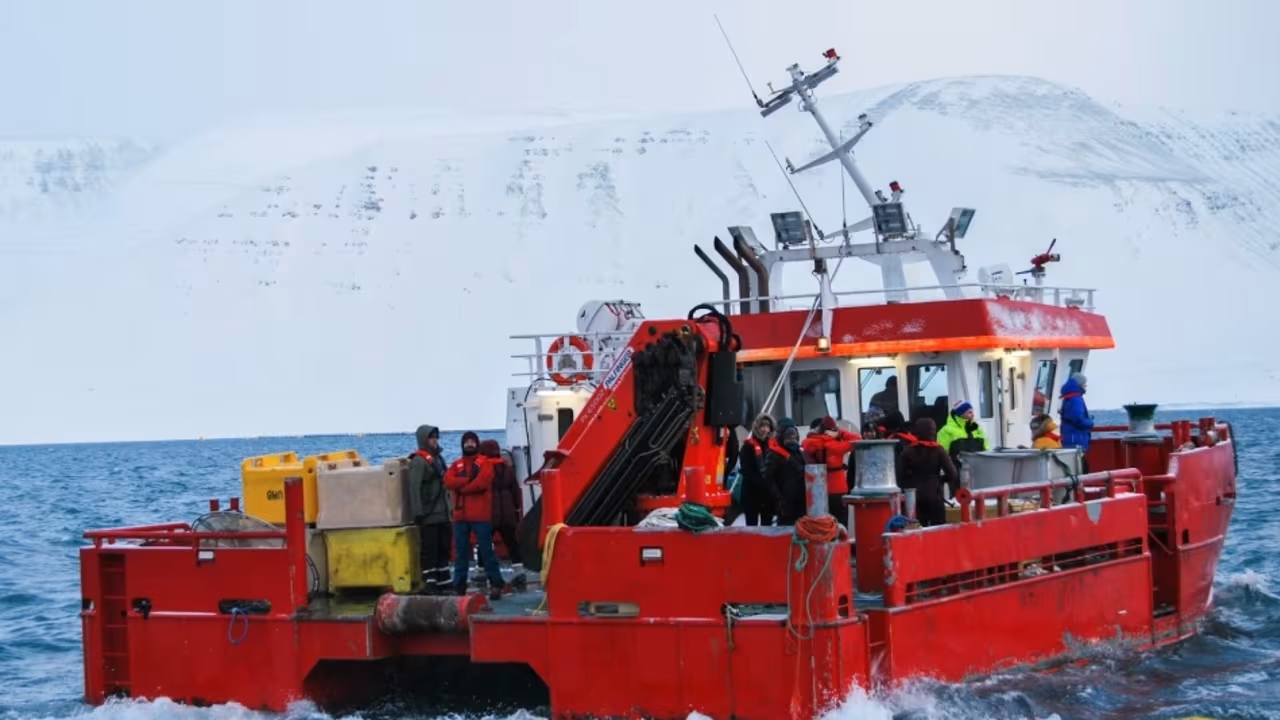
Ísafjörður, Iceland · University of Akureyri Partnership
The University Centre of the Westfjords, situated in Ísafjörður on Iceland's remote northwestern peninsula, represents one of the world's foremost institutions for the study of coastal and marine resource management. Operating in partnership with the University of Akureyri, the programme draws researchers from across the globe to engage with the complex governance, ecological, and socioeconomic dimensions of marine systems under pressure.
Cody completed his Master of Resource Management (MRM) with a specialisation in Coastal and Marine Management, a rigorous interdisciplinary programme that integrates marine ecology, international environmental law, fisheries science, and conservation policy. The programme's Nordic context provided direct exposure to some of the world's most sophisticated marine governance frameworks, situating research within the broader questions of how coastal nations manage shared ocean resources.
For his thesis, Cody undertook self-directed fieldwork focused on TBD, to be updated. The MRM positioned Cody at the boundary between empirical marine science and the policy architecture required to translate field data into meaningful species and ecosystem protection. It forms the intellectual foundation for his subsequent conservation career.
University of Akureyri ↗
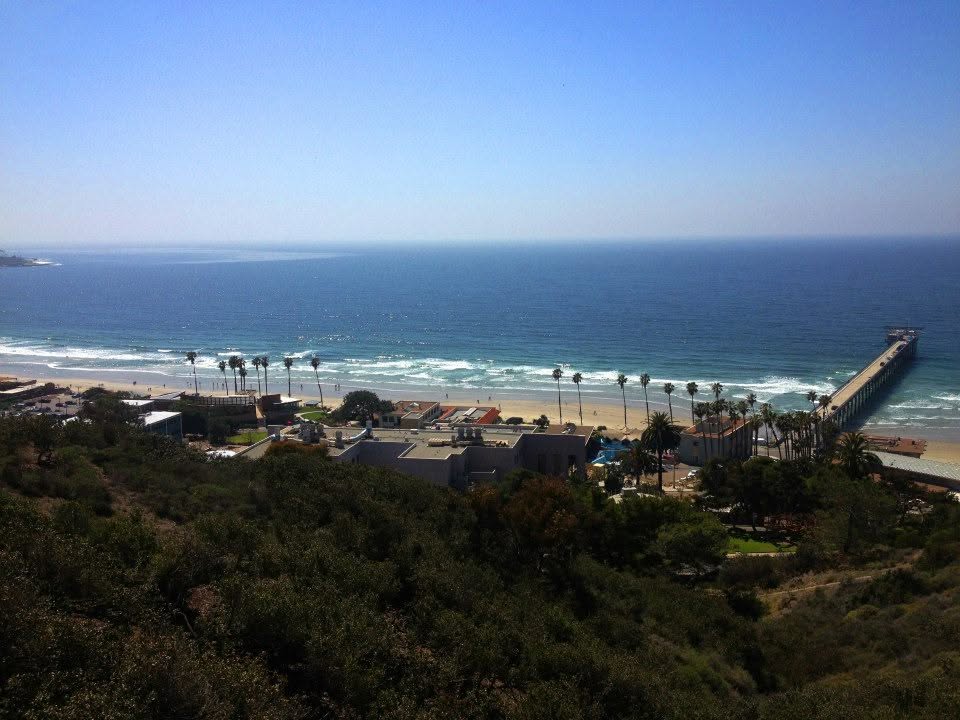
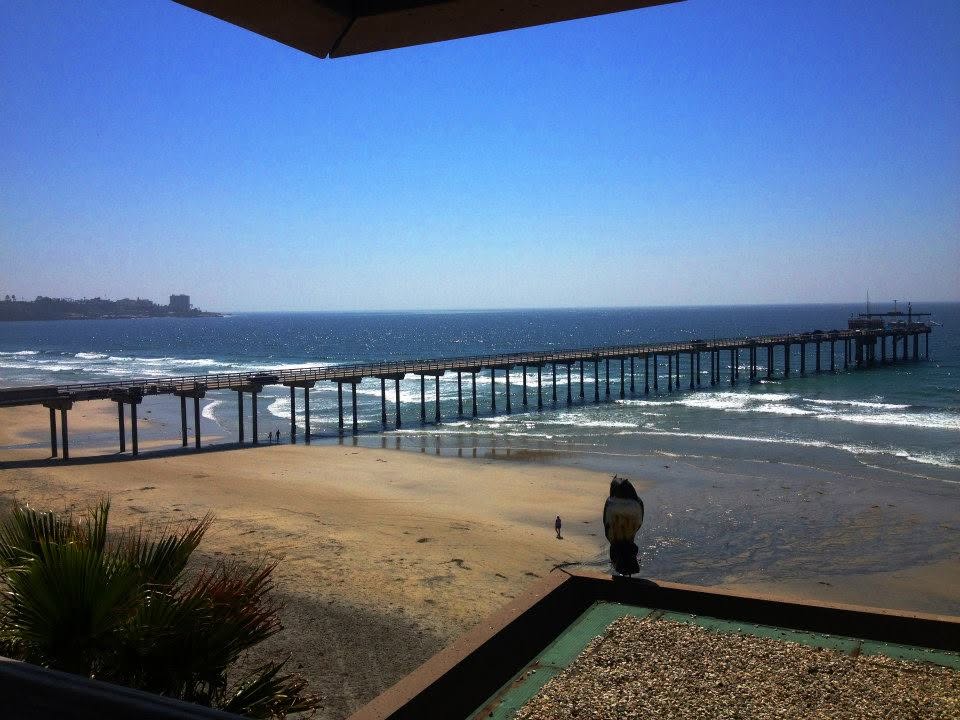
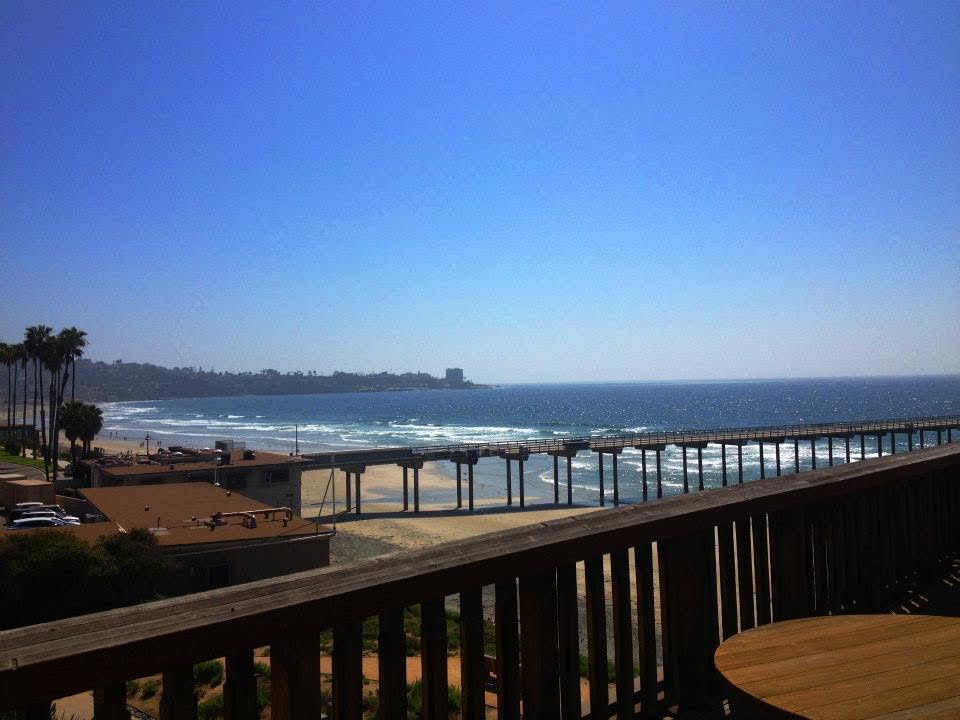
La Jolla, California · UC San Diego · Sandin Laboratory
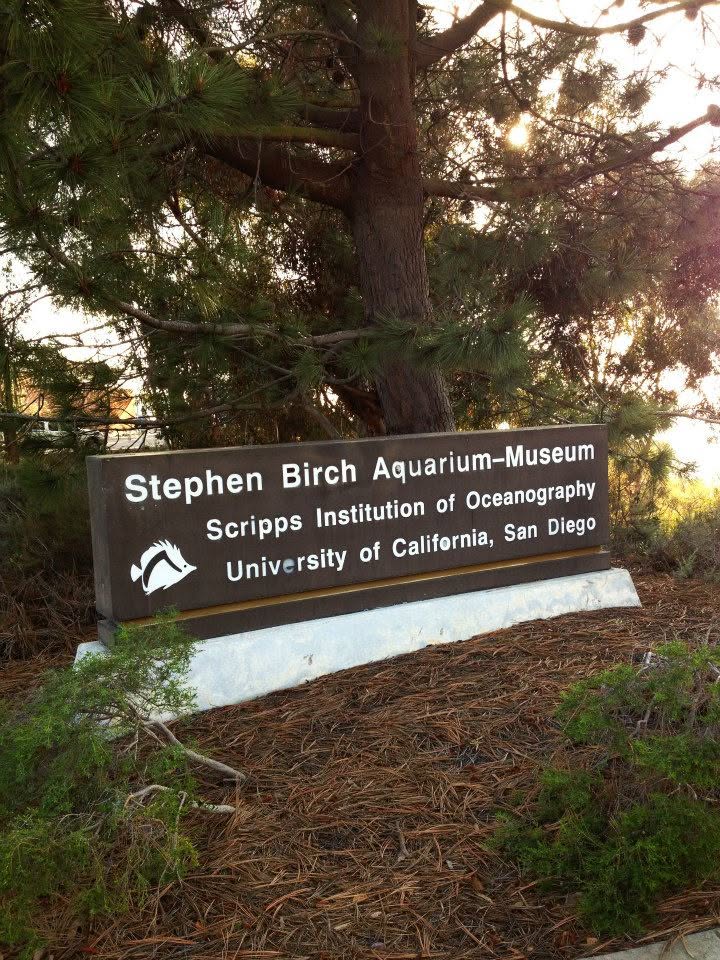
The Scripps Institution of Oceanography at UC San Diego stands as one of the oldest, largest, and most consequential oceanographic research institutions in the world. Founded in 1903, Scripps has shaped the modern scientific understanding of the ocean through more than a century of landmark discovery, spanning foundational investigations of ocean circulation and plate tectonics to contemporary work on climate change, deep-sea ecology, and the accelerating crisis of coral reef degradation. To work within its research infrastructure is to operate at the highest tier of marine science.
Cody contributed as a Research Associate in the laboratory of Dr. Stuart Sandin, working directly with researcher Clinton Edwards on a programme of coral reef spatial ecology whose methodological and analytical ambition reflects the scale of the questions it is designed to address. The central focus of the research was the collection, processing, and ecological interpretation of large-scale benthic photo-mosaic imagery, an emerging technique in reef science that enables the construction of continuous, high-resolution visual maps of entire reef sections, capturing the spatial arrangement of benthic communities at a level of detail that traditional point-intercept transect methods cannot approach.
The photo-mosaic process involves the systematic acquisition of overlapping underwater images across defined reef areas, which are then computationally stitched into seamless composite images spanning tens or hundreds of square metres. From these mosaics, individual coral colonies, algal patches, bare substrate, and other benthic features can be traced, classified, and mapped, producing georeferenced benthic maps that form the foundation of spatial ecological analysis. Cody's work centred on the laboratory-based tracing and identification of coral species from these composite images, demanding taxonomic precision and sustained analytical attention across complex, visually dense datasets.
The scientific purpose of this work extends well beyond cartography. Understanding the spatial ecology of coral reefs, specifically the distribution of species, the patterns of adjacency between functional groups, and the spatial dynamics of coral-algal competition, is fundamental to understanding reef resilience and vulnerability. Reefs in which corals are spatially aggregated, or in which high-value species are concentrated in particular microhabitats, may be disproportionately vulnerable to disturbances that strike those areas. Conversely, mapping the spatial structure of healthy reefs provides a baseline against which degradation can be measured, and a template for restoration targets.
The benthic maps generated through this work enabled environmental mapping of reef systems at a resolution and spatial extent that allows researchers and managers to develop targeted environmental strategies for reef maintenance, identifying the zones most critical to structural integrity, the areas most susceptible to phase-shift pressure from expanding algal communities, and the coral populations most likely to serve as recovery nuclei following bleaching events or other disturbances. In an era of accelerating climate change, in which mass bleaching events are occurring with a frequency and severity that the world's reef systems have never before experienced, this kind of spatially explicit ecological intelligence is not an academic luxury. It is a prerequisite for effective conservation intervention.
The experience at Scripps provided Cody with rigorous grounding in both the technical methodology of modern coral reef science and the conceptual frameworks of spatial ecology, building the scientific credibility and analytical sophistication necessary to engage meaningfully with the academic and intergovernmental bodies through which meaningful shark and marine ecosystem protection must ultimately be pursued.
Sandin Laboratory ↗
Honolulu, Hawaii · Department of Marine Biology · Department of Botany · School of Ocean and Earth Science and Technology
The University of Hawaii at Manoa is the flagship research institution of the University of Hawaii system and one of the world's leading centres for Pacific Ocean science. Its Department of Marine Biology occupies a uniquely privileged geographical position, situated at the crossroads of the Central and North Pacific, surrounded by some of the most biodiverse and scientifically significant marine environments on Earth, including the waters of the Hawaiian Archipelago and the vast marine protected area of the Papahānaumokuākea Marine National Monument.
Cody completed his Bachelor of Science in Marine Biology at UH Manoa, where rigorous academic training in marine ecology, elasmobranch biology, invertebrate zoology, oceanography, and quantitative biological research methods was complemented by substantive undergraduate research experience across two distinct laboratory programmes.
Cody was one of three undergraduate students selected to conduct original research in the laboratory of Dr. Celia Smith of the Department of Botany, one of the foremost authorities on marine algal ecology in the Hawaiian Islands. The research addressed one of the most pressing and consequential questions in Pacific reef management: the dynamics of herbivory in reef systems undergoing phase-shift pressure from invasive and native macroalgae.
Declining herbivorous fish populations, a direct consequence of overfishing, have allowed macroalgal communities to expand onto Hawaiian reefs at a rate that threatens to outpace coral recovery. By removing the biological control that grazing fish provide, overfishing creates the conditions for a phase-shift: the transition from a coral-dominated to an algae-dominated reef state that, once established, is extremely difficult to reverse on any timescale meaningful to human populations dependent on reef resources. Cody's research team designed and executed a series of herbivory trials to quantify grazer preference among native and non-native algal species, work with direct implications for reef management strategy and the potential use of biological control as a conservation tool.
Methodology encompassed the collection, identification, and preparation of multiple algal species, including both native taxa and invasive species such as Acanthophora spp. and Gracilaria spp., for controlled field trials conducted in subtidal reef environments around Oahu. Experimental apparatus were deployed at paired high-use tourist sites and less-visited reef areas, enabling comparative analysis of herbivory rates across different ecological contexts. The research team worked in close collaboration with the Waikiki Aquarium, whose controlled aquatic environment provided a complementary setting for direct behavioural observation of herbivorous fish feeding on experimental algal arrays, allowing the team to isolate preference signals that would be difficult to distinguish in open reef conditions.
The group's research was formally presented at the 2013 Testers Symposium at the University of Hawaii at Manoa, the institution's undergraduate research showcase, representing one of the earliest academic presentations of Cody's scientific work and demonstrating the rigour expected of undergraduate researchers in Dr. Smith's laboratory.
Cody also contributed to research under Dr. Karen Selph, Associate Specialist in the School of Ocean and Earth Science and Technology (SOEST) at UH Manoa. Dr. Selph's research programme encompasses biological oceanography, microbial ecology, protistan grazer feeding dynamics, phytoplankton distributions, and the application of flow cytometry to ecological research, a set of methodological and conceptual frameworks that sit at the frontier of understanding how energy and biomass move through the base of marine food webs.
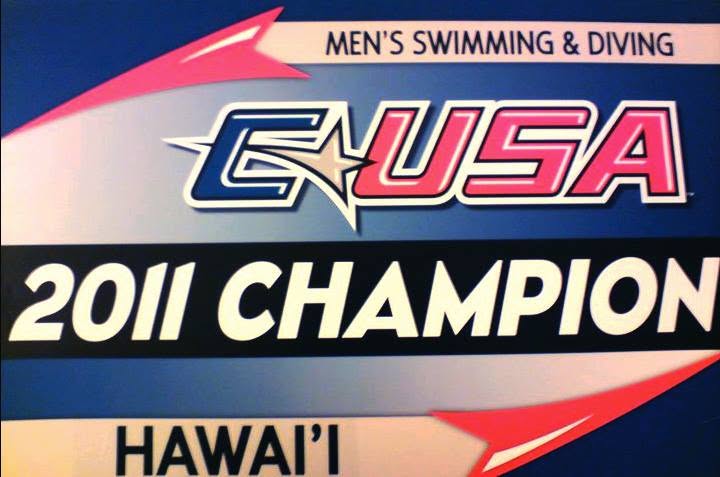
Dr. Celia Smith — UH Botany ↗ SOEST — UH Manoa ↗Alongside his academic research, Cody competed as a Division I varsity swimmer and Team Captain for the UH Manoa swim team, part of the same demanding stretch of years that produced his research under Dr. Smith and Dr. Selph. The team claimed three Conference USA championships during his tenure, including the 2011 title, and Cody qualified for USA National competition. The discipline of balancing elite collegiate athletics with original marine science research set the standard for the sustained focus his conservation work still demands today.
San Diego, California · California Recreational Fisheries Survey
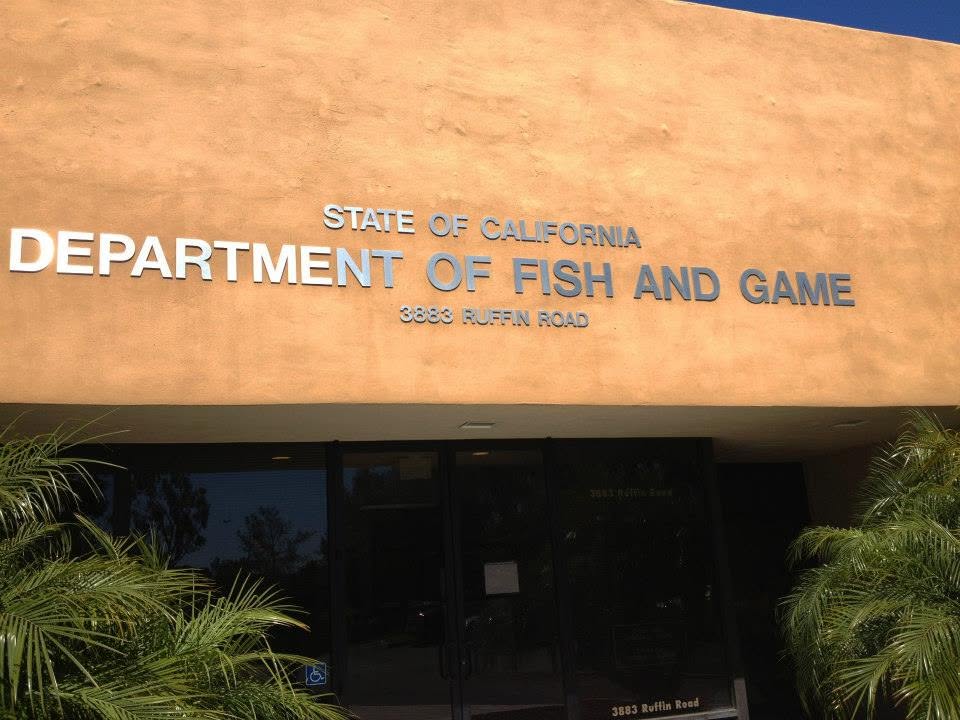
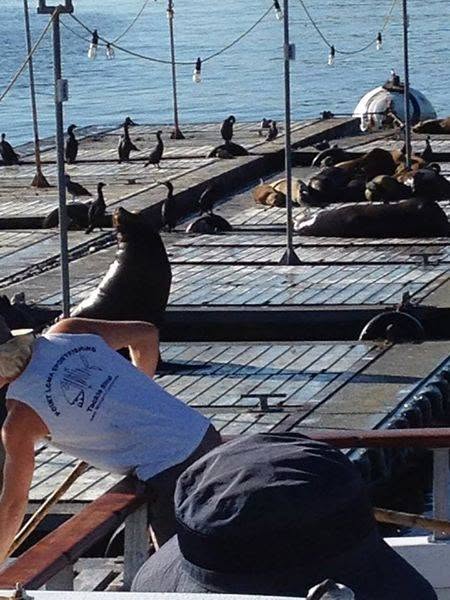
The California Department of Fish and Wildlife (CDFW) is the primary state agency responsible for the stewardship, conservation, and management of California's fish, wildlife, and plant resources. Its Marine Region oversees one of the longest and most ecologically productive coastlines in North America, spanning over 1,100 miles of Pacific shoreline, encompassing kelp forests, rocky reef systems, deep submarine canyons, and some of the most productive upwelling zones in the world's ocean.
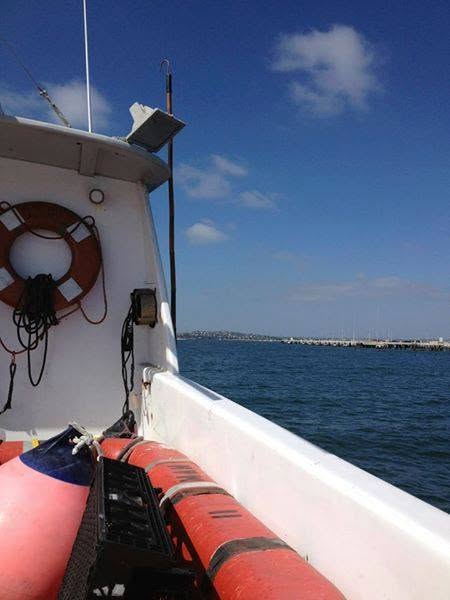
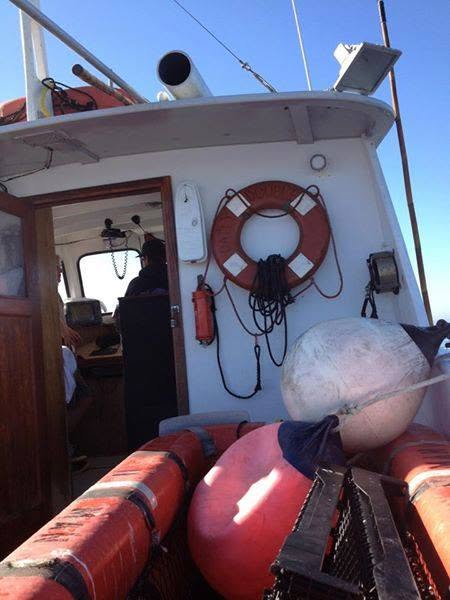
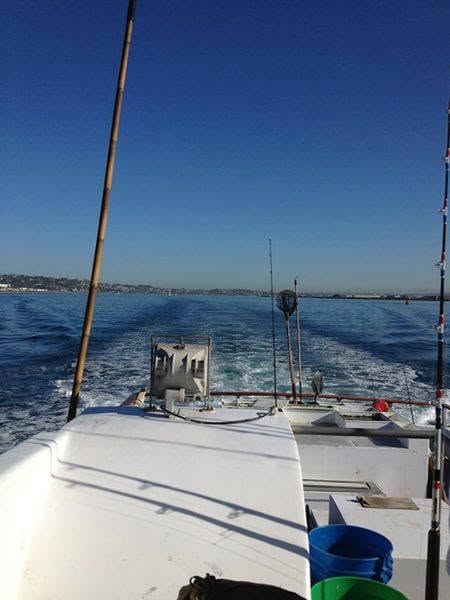
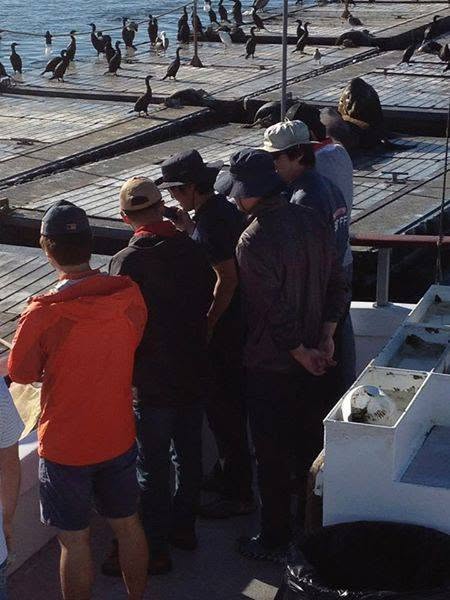
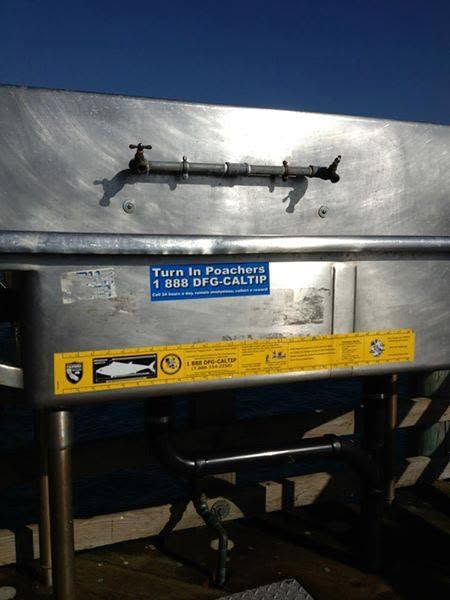
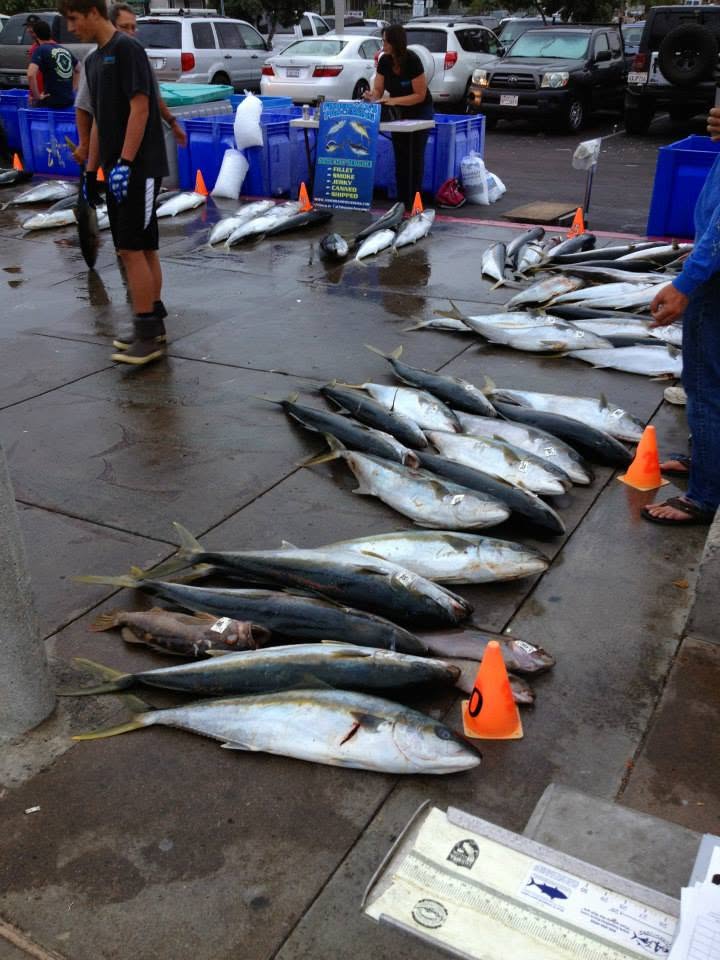
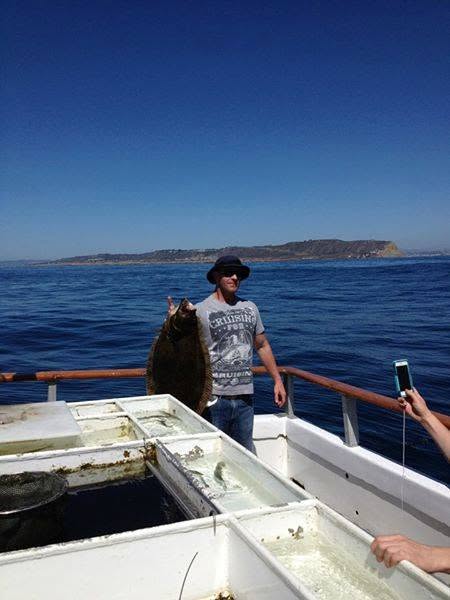
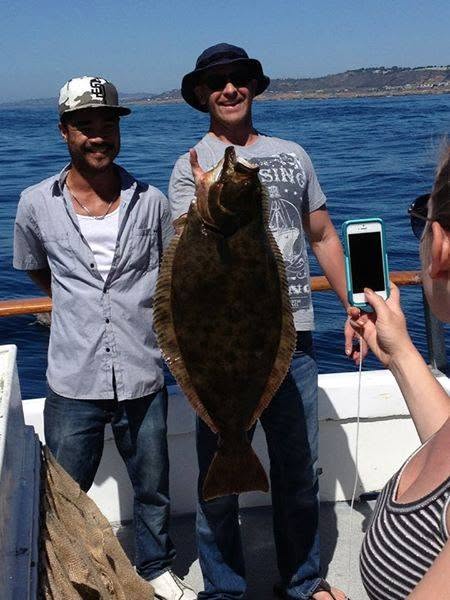
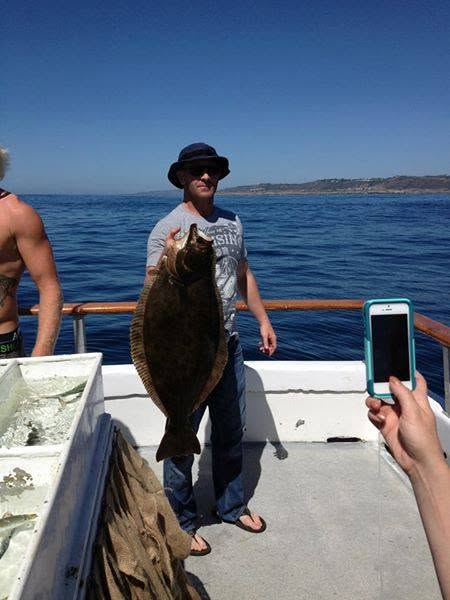
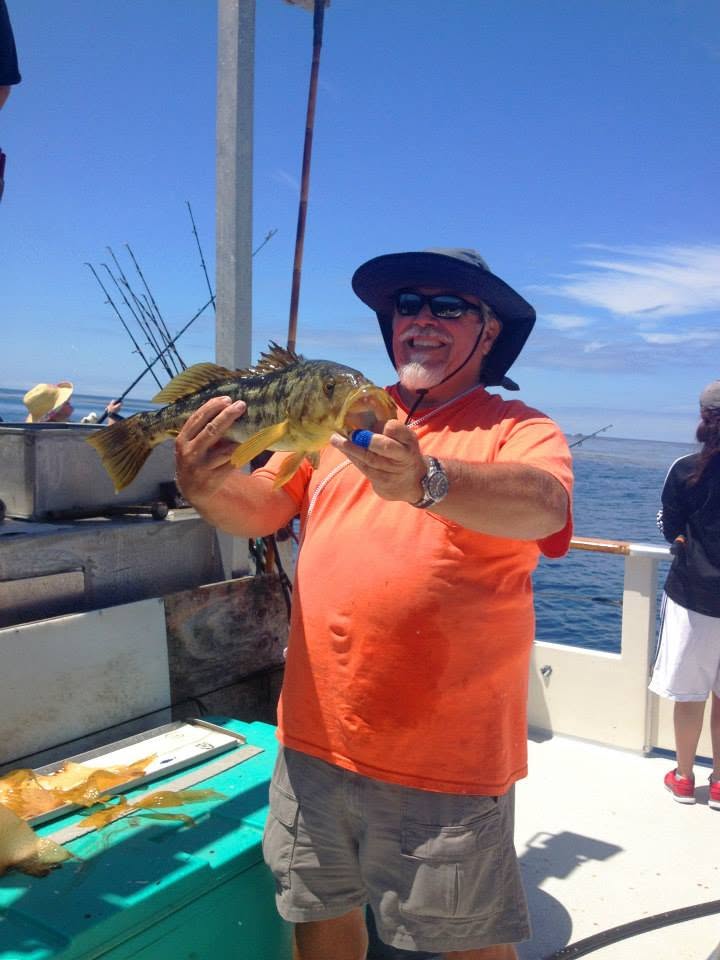
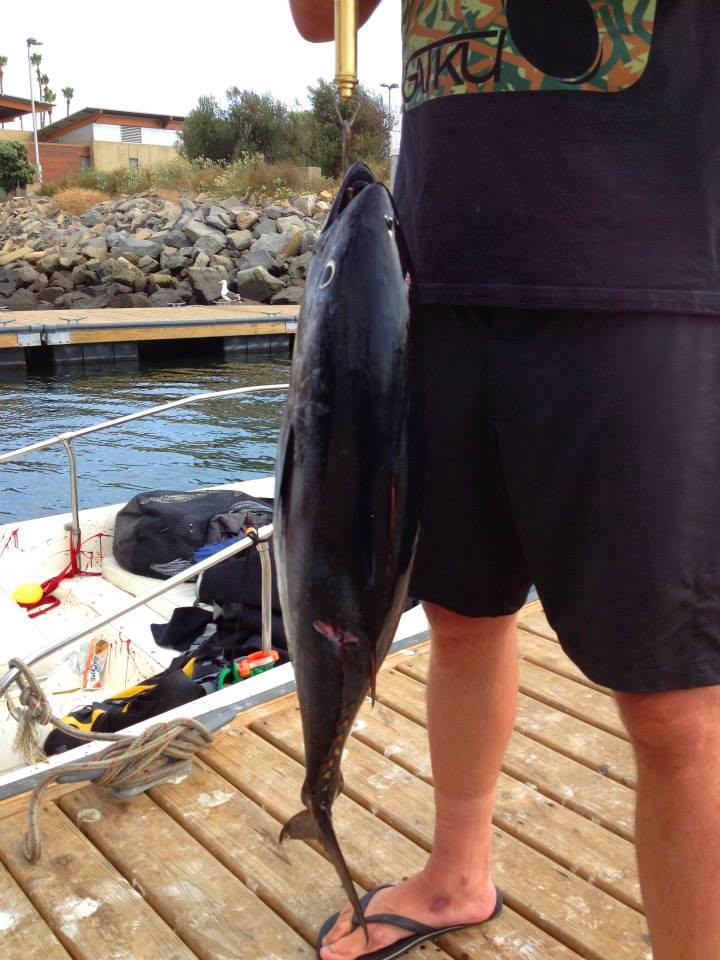
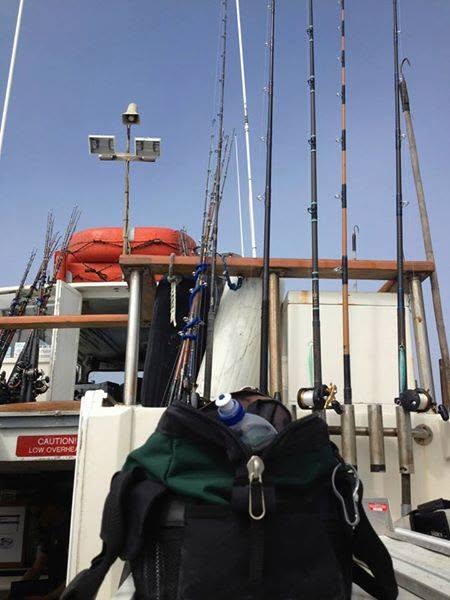
Cody served as a Fisheries Biologist supporting the California Recreational Fisheries Survey (CRFS), the state's primary programme for monitoring recreational marine fisheries. The CRFS generates the foundational biological data used by state and federal managers to set catch limits, assess stock status, and evaluate the conservation effectiveness of marine protected areas along the California coast.
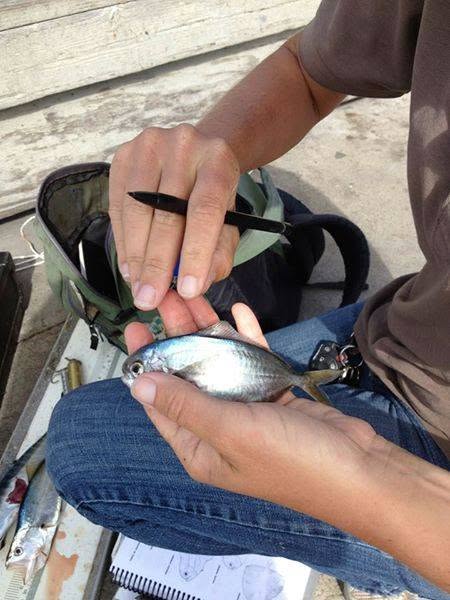
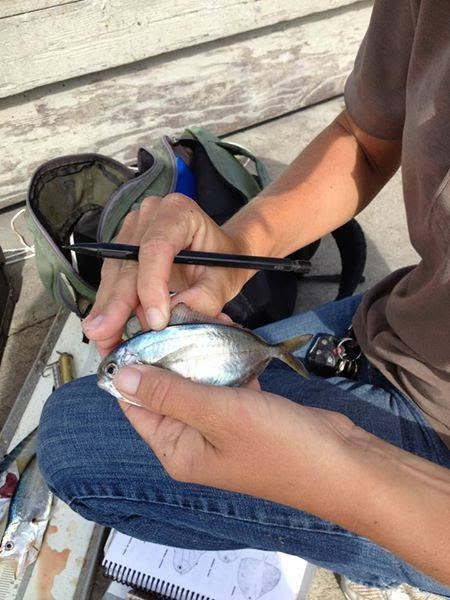
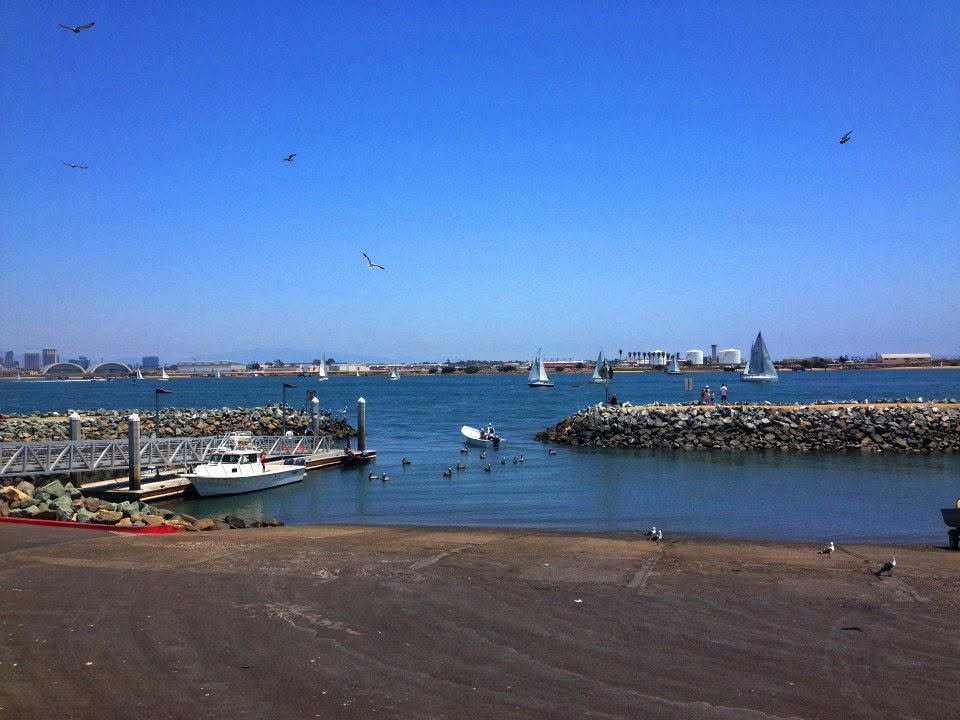
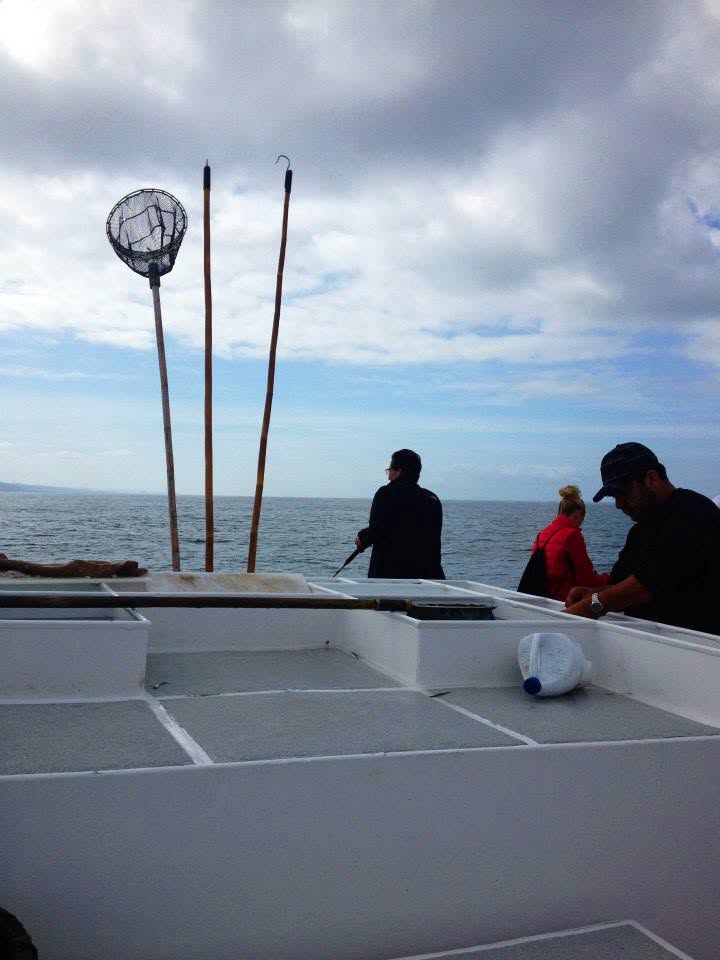
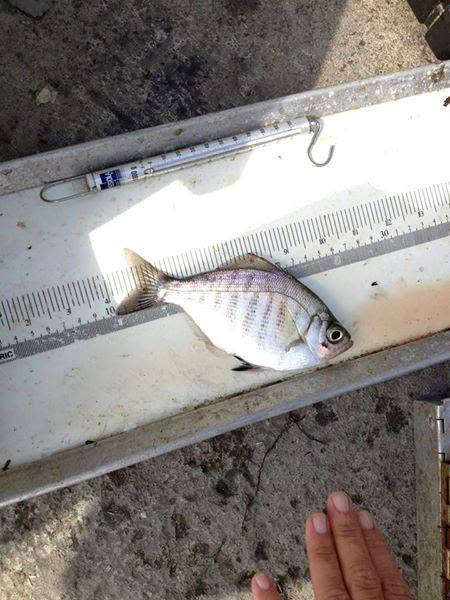
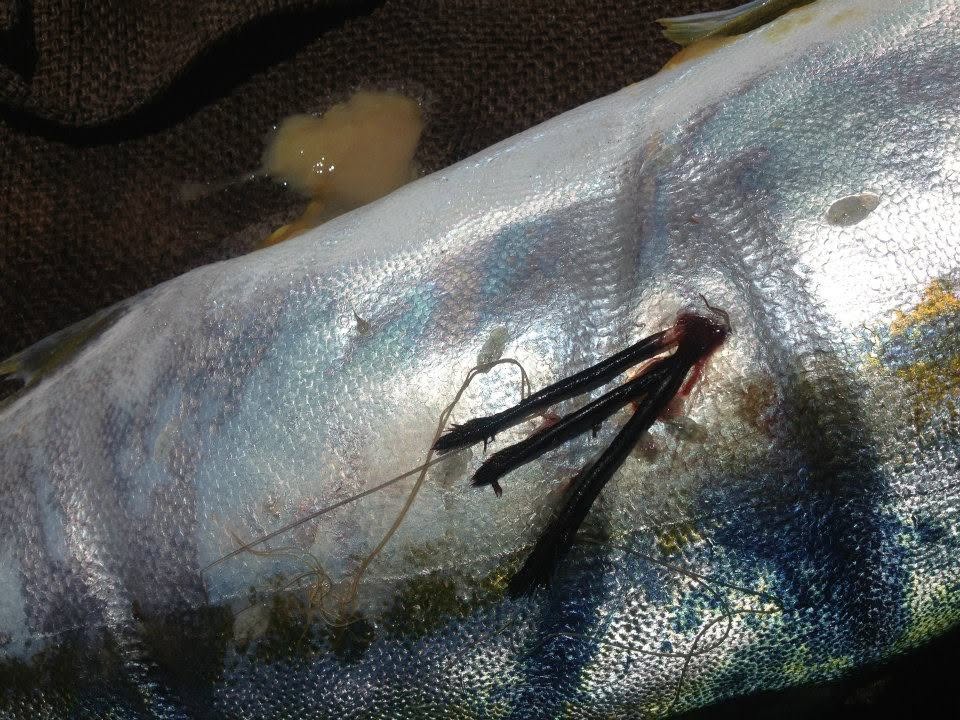
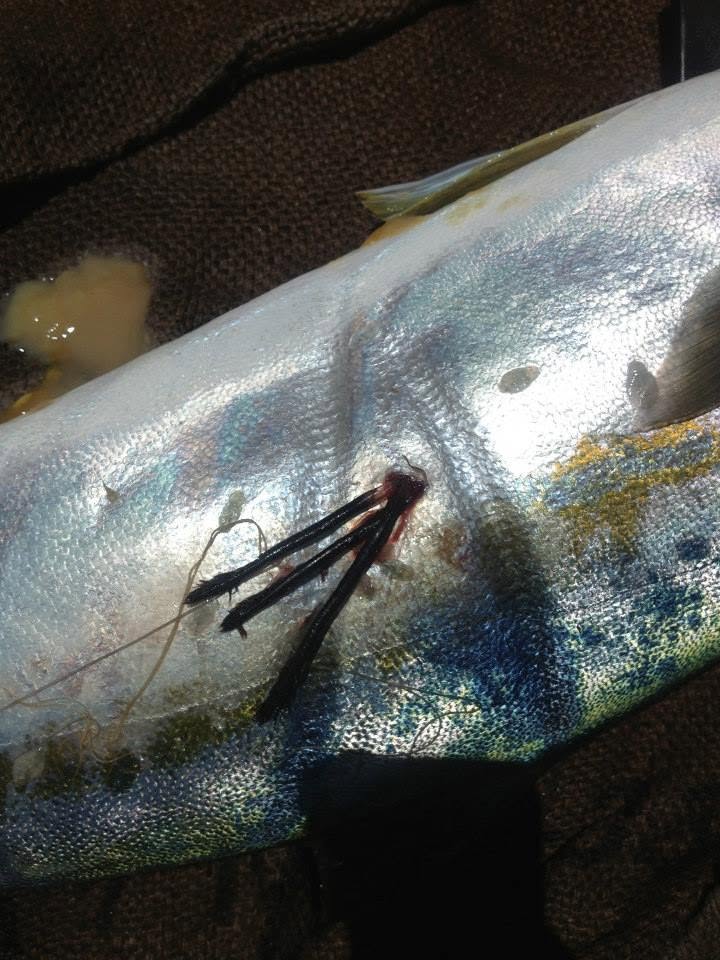
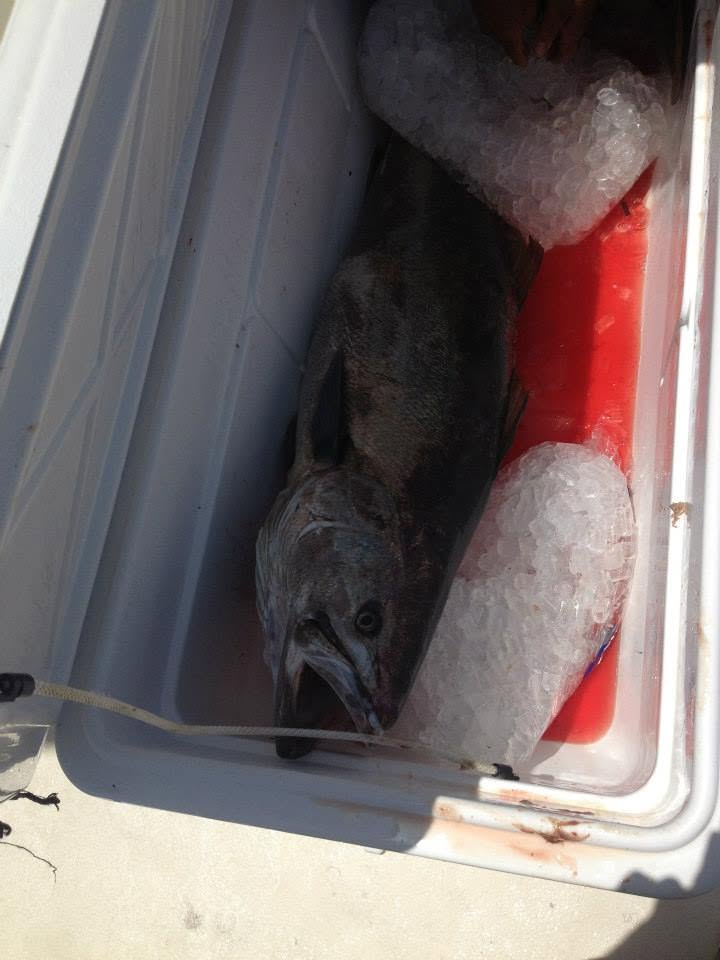
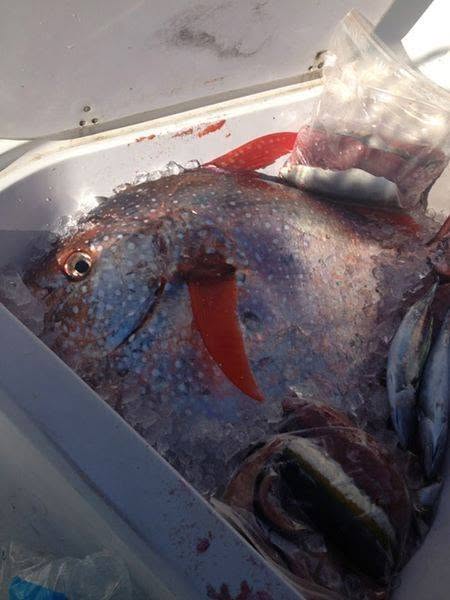
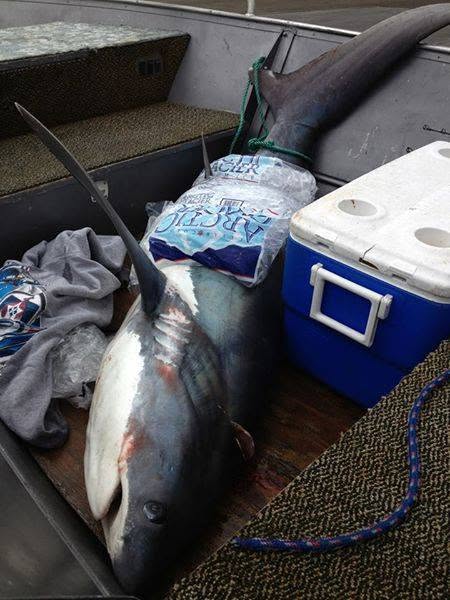
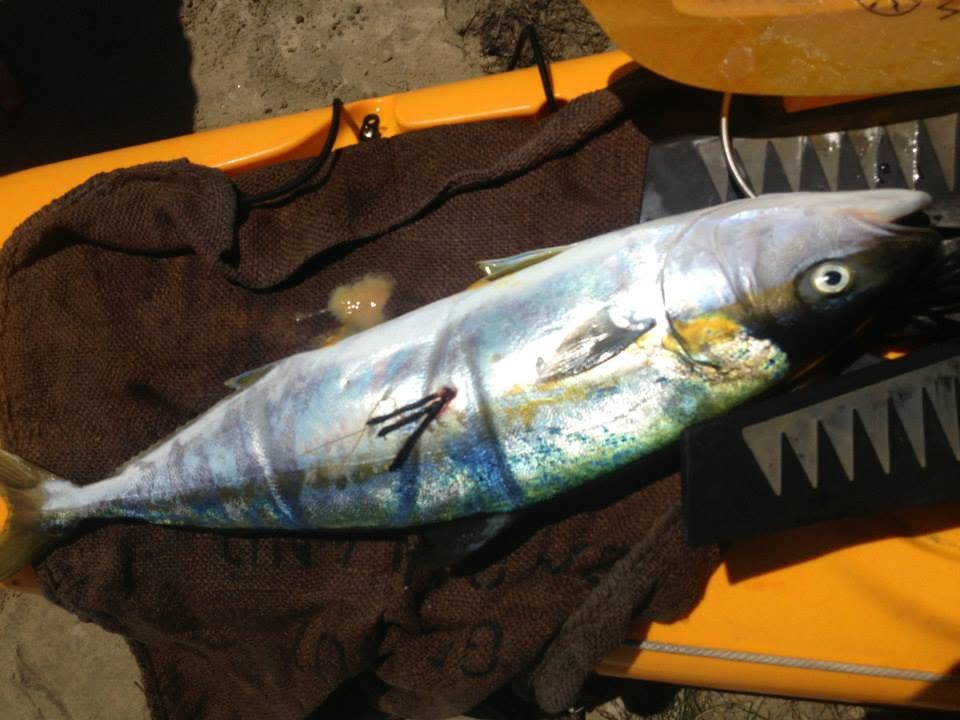
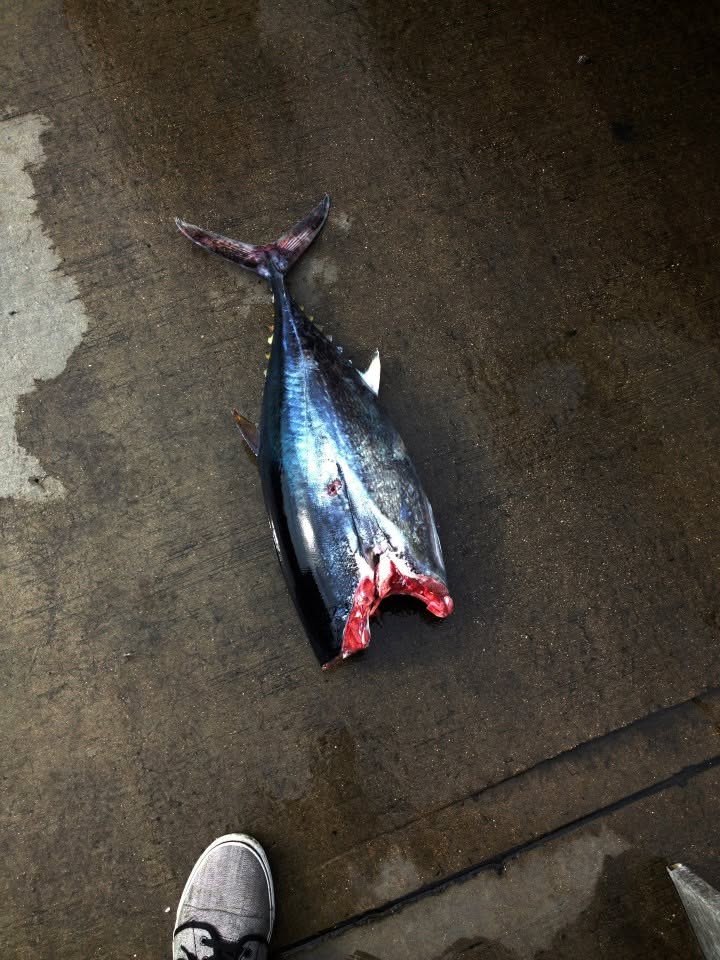
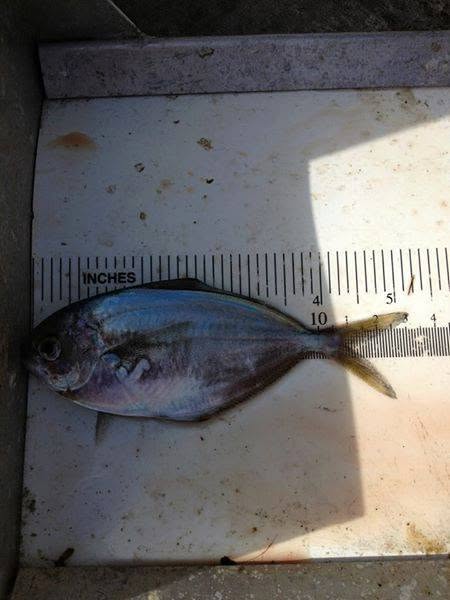
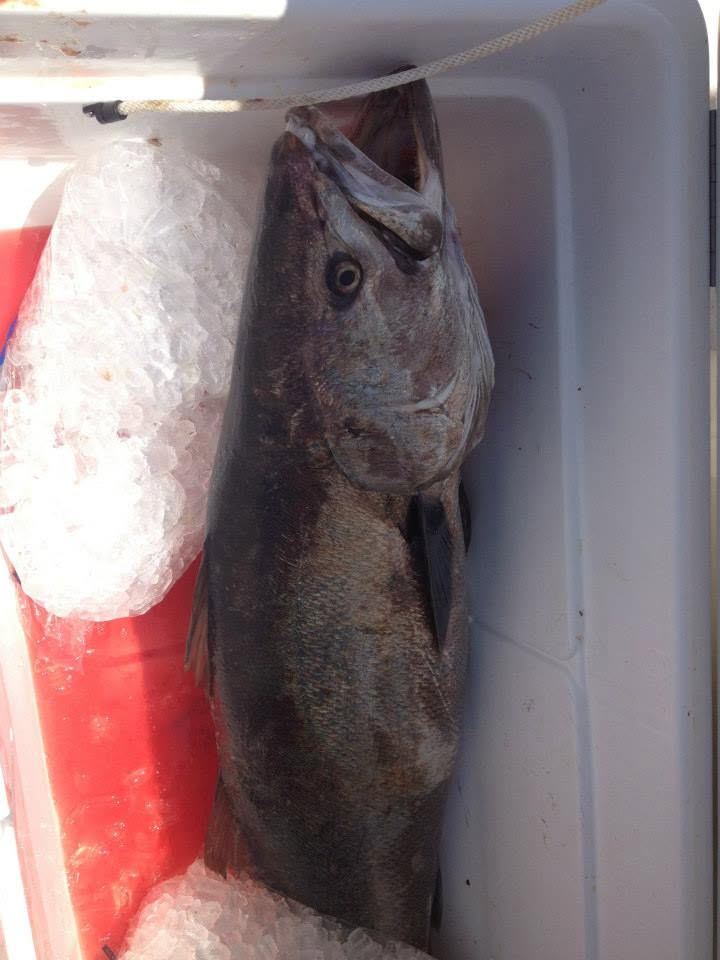
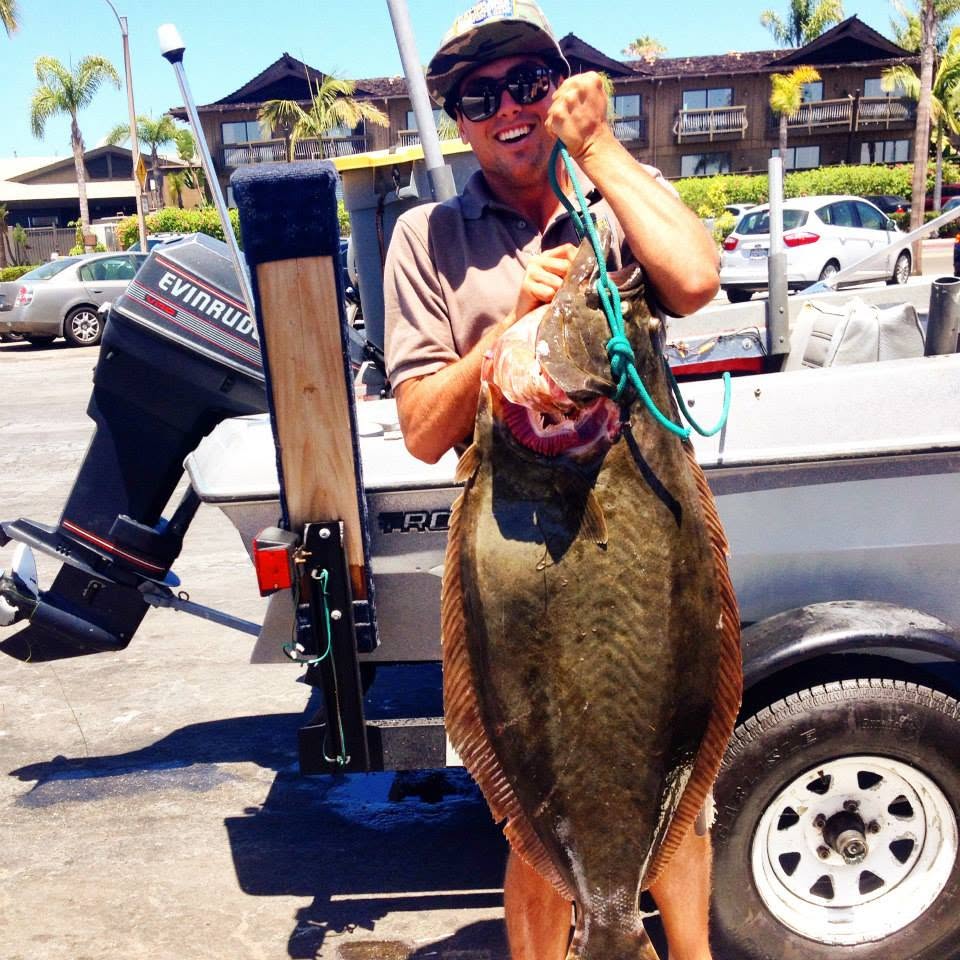
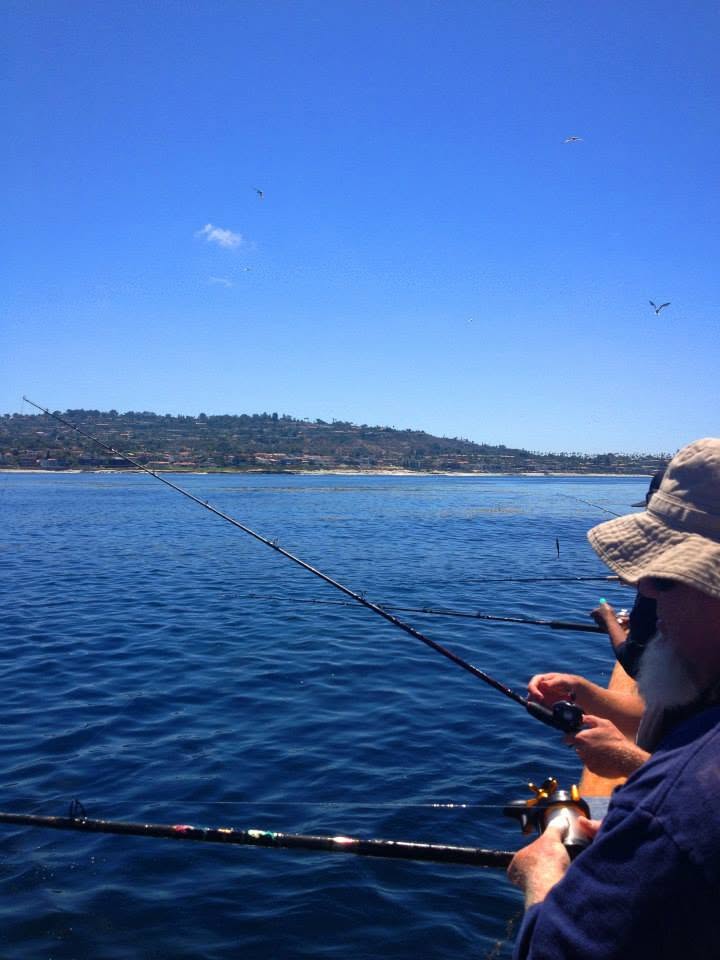
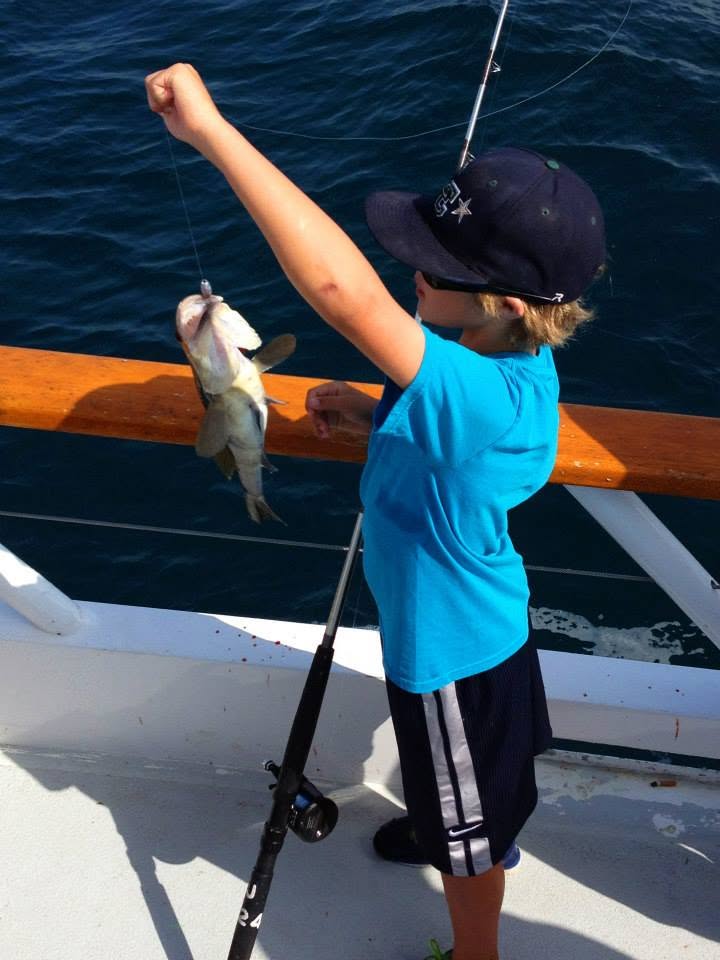
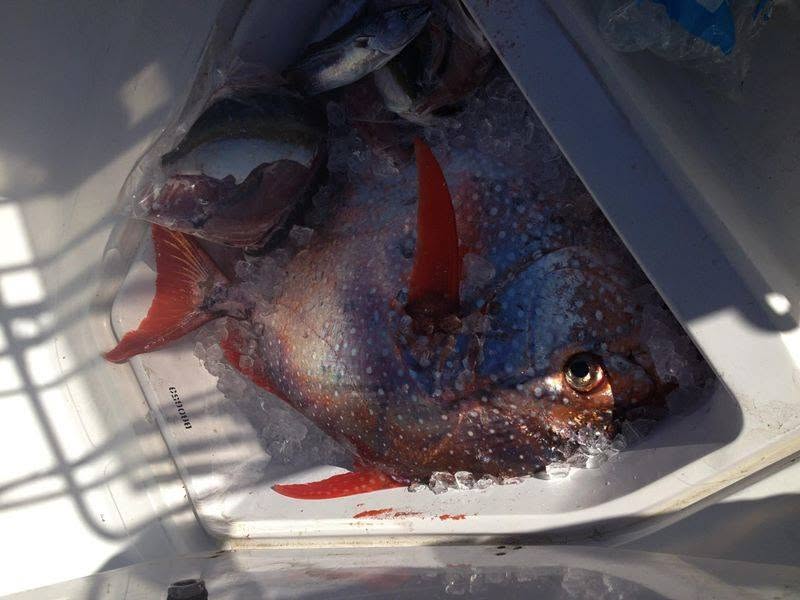
Responsibilities encompassed dockside intercept sampling at San Diego-area launch facilities, systematic species identification and biological data collection from angler catches, angler interview surveys to capture effort and harvest estimates, and specimen preparation for laboratory analysis. The work required taxonomic precision across a diverse assemblage of coastal pelagic and demersal species, from Pacific mackerel and yellowtail to rockfish, halibut, and elasmobranchs.
The CRFS role provided direct experience at the operational interface between science and fisheries policy, the point at which field data is translated into management decisions with real consequences for ocean ecosystems. It reinforced the importance of systematic, high-quality biological monitoring as the irreplaceable foundation of evidence-based conservation.
California CRFS Programme ↗
Fiji · Hawaii · South Korea · Thailand · Vietnam · Cambodia · Puerto Rico
Rustic Pathways is an internationally recognised organisation delivering transformative student travel and service programmes across more than 20 countries. Its model centres on genuine community engagement, environmental stewardship, and cross-cultural education, programming that goes far beyond tourism to create meaningful, lasting impact in the communities it works with.
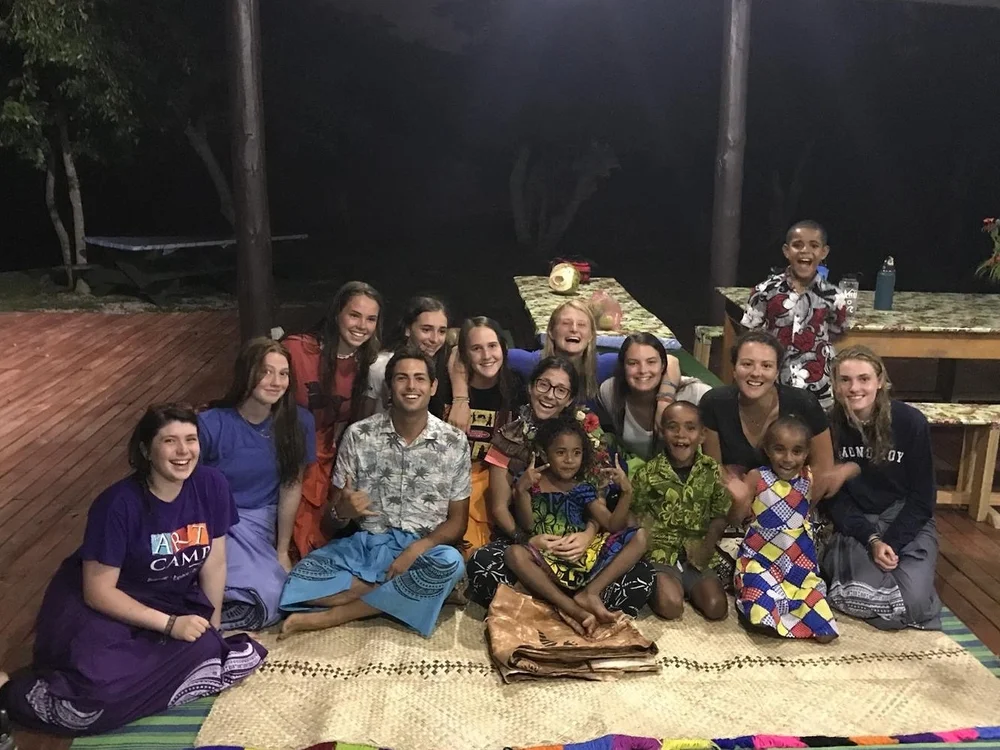
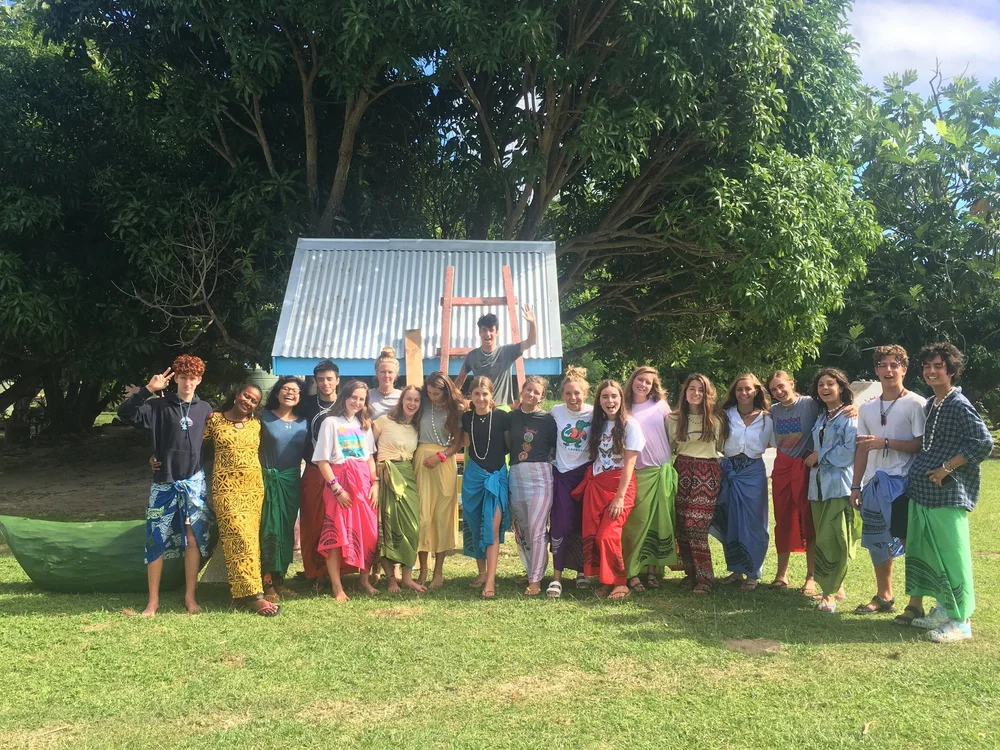
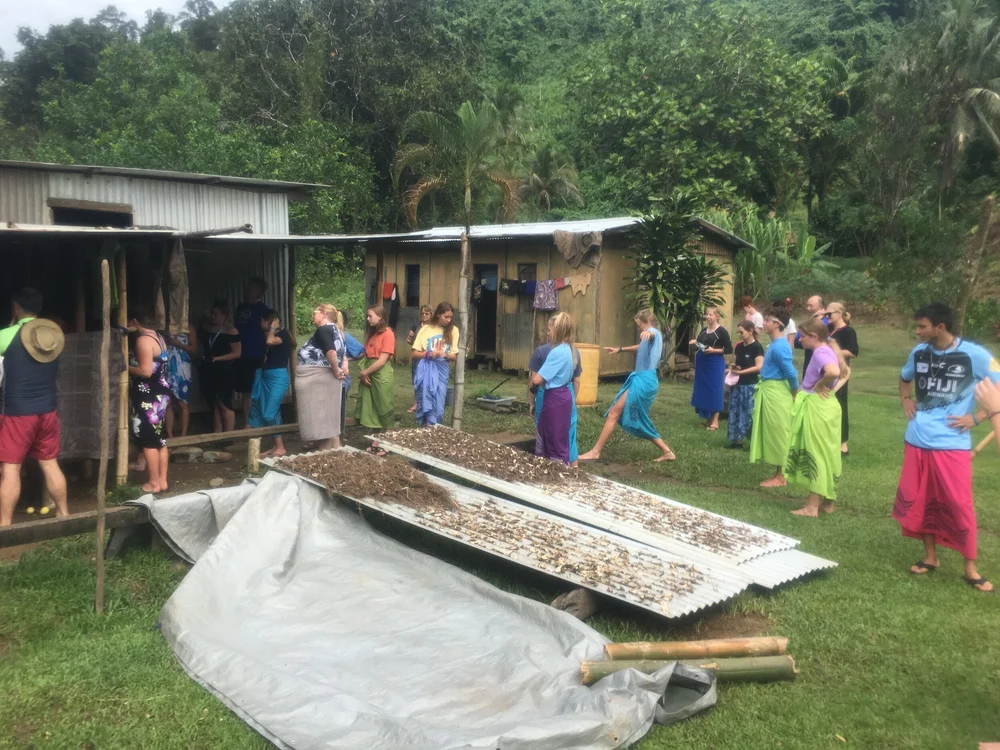
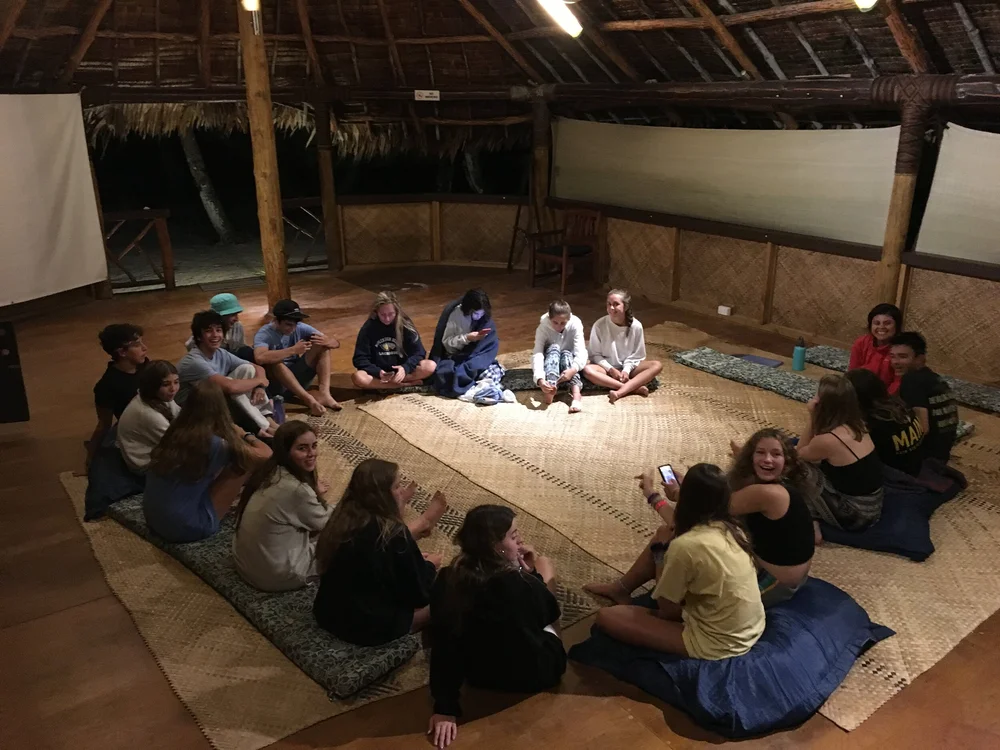
Cody served as a Marine Biologist and Programme Manager leading Rustic Pathways' marine conservation programmes, with primary operations based in Fiji. His work spanned multiple islands and encompassed a breadth of conservation, science, and community development initiatives that few practitioners at any career stage would have the opportunity to lead.
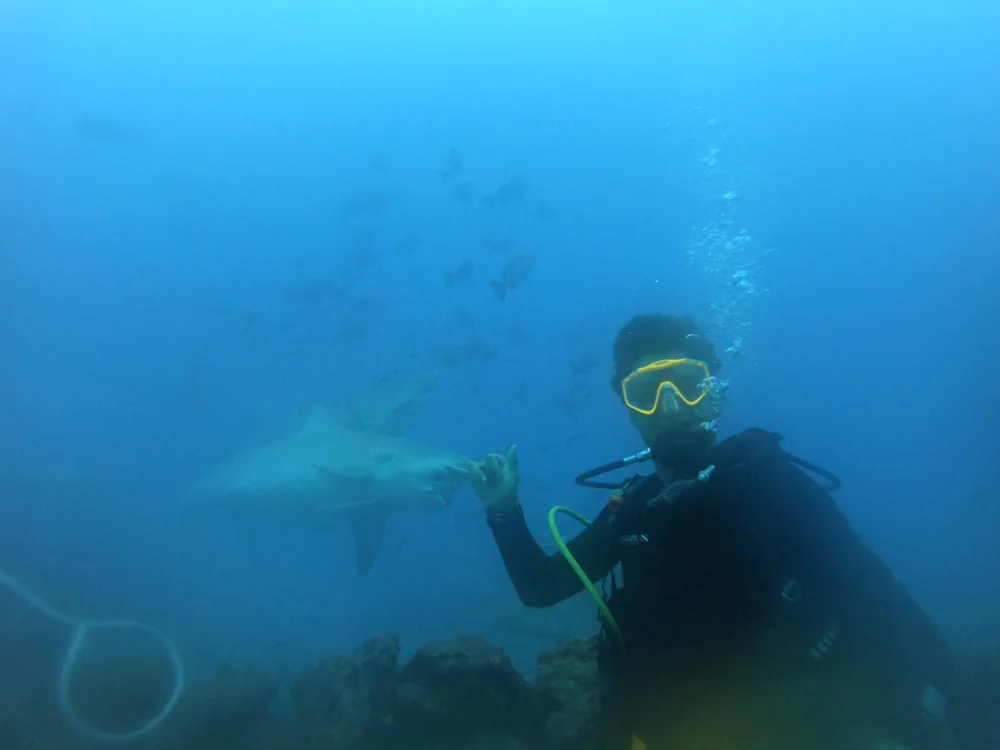
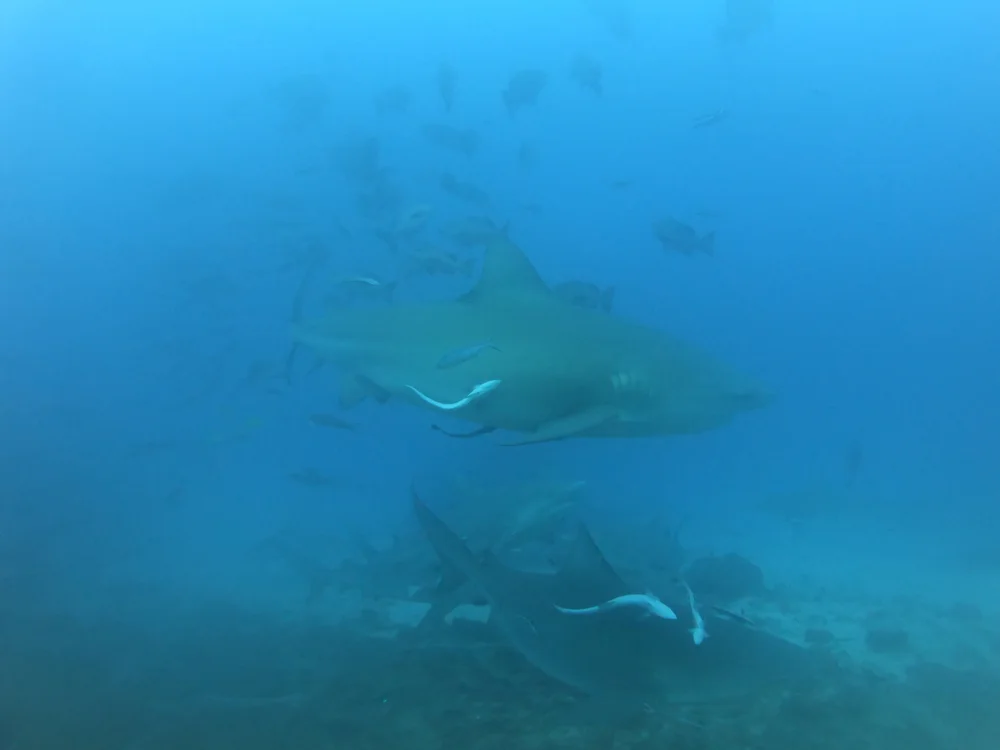
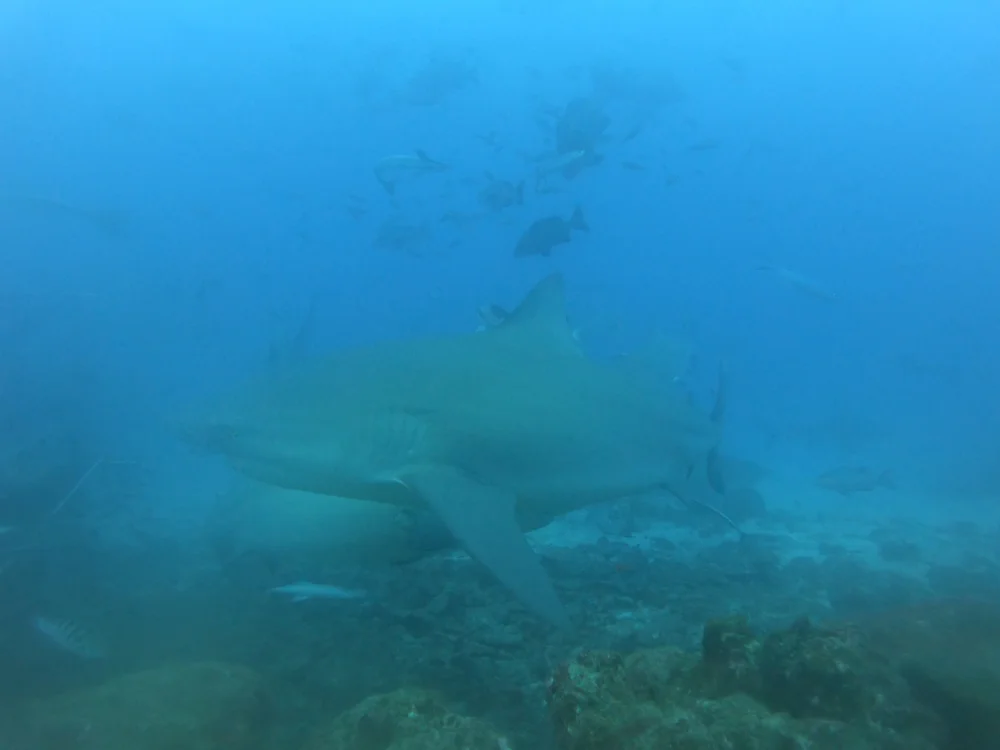
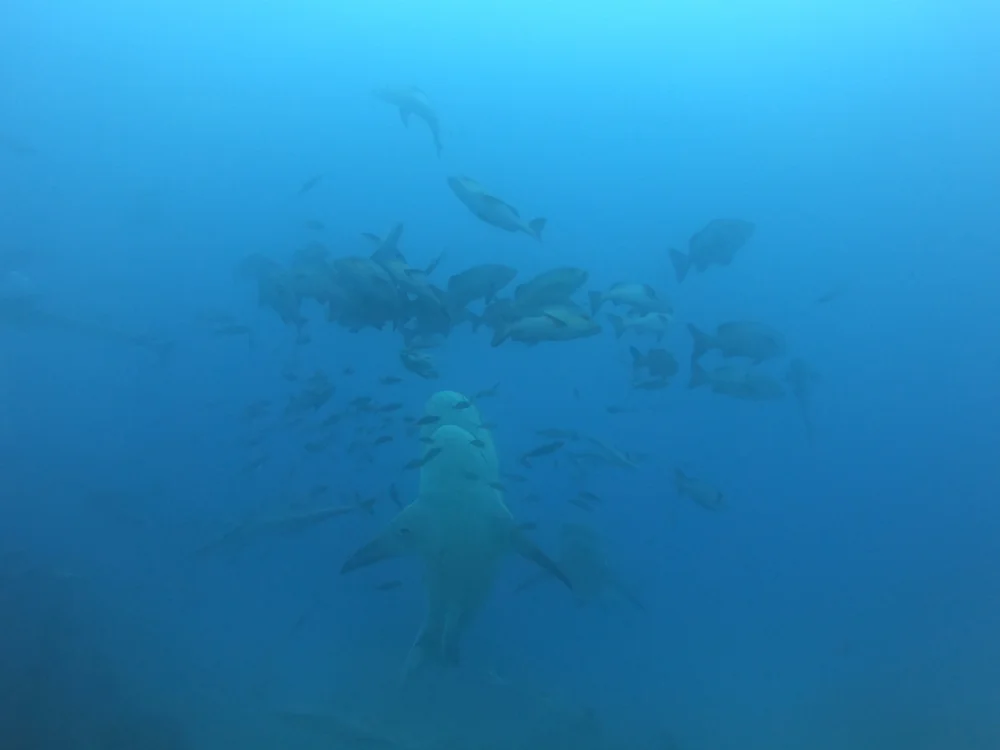
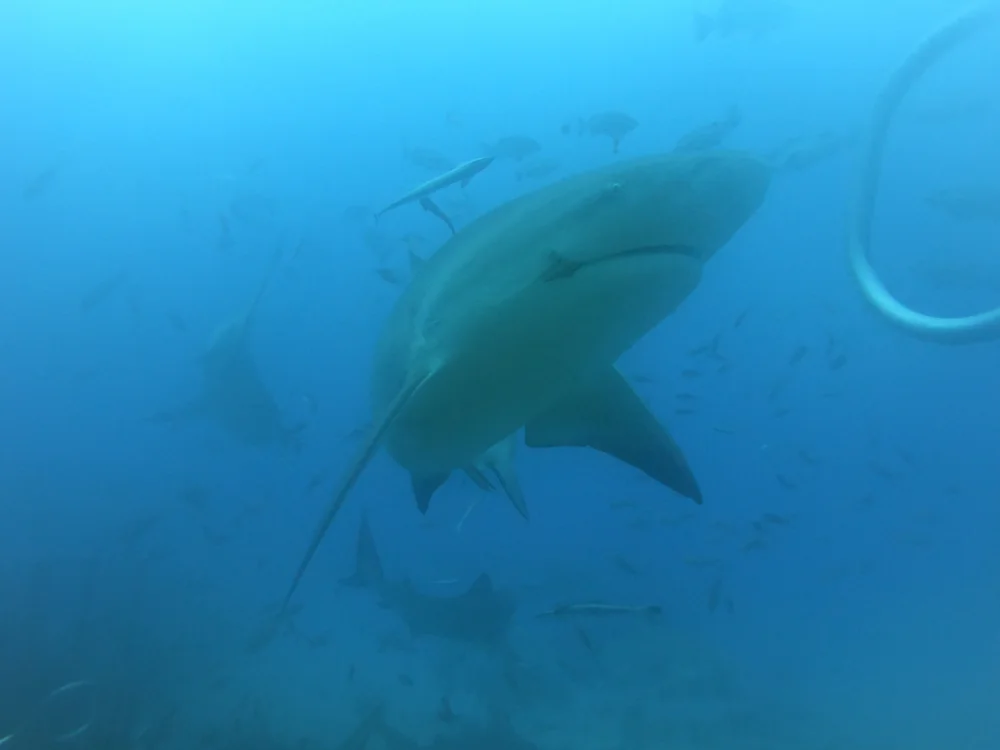
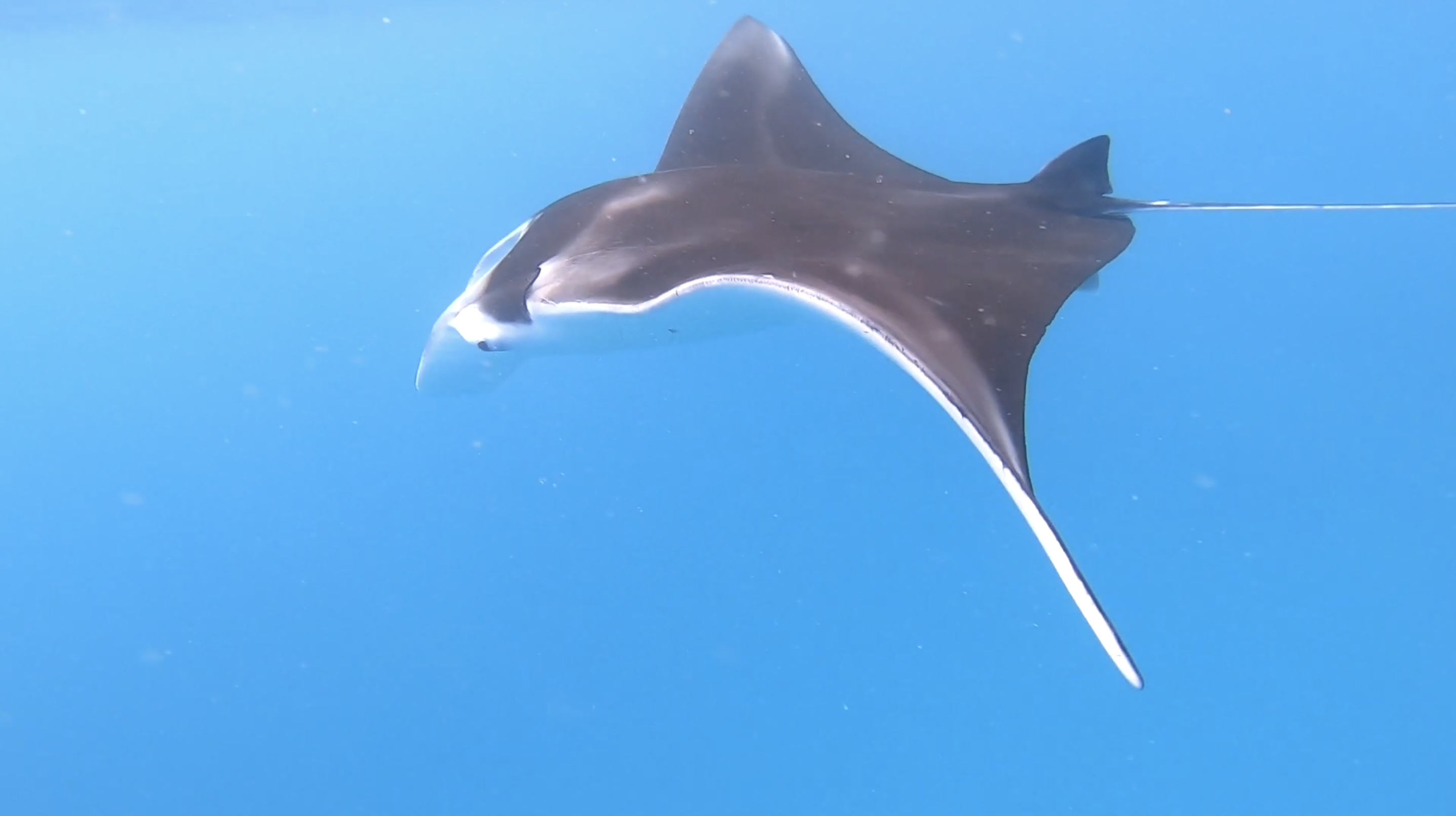
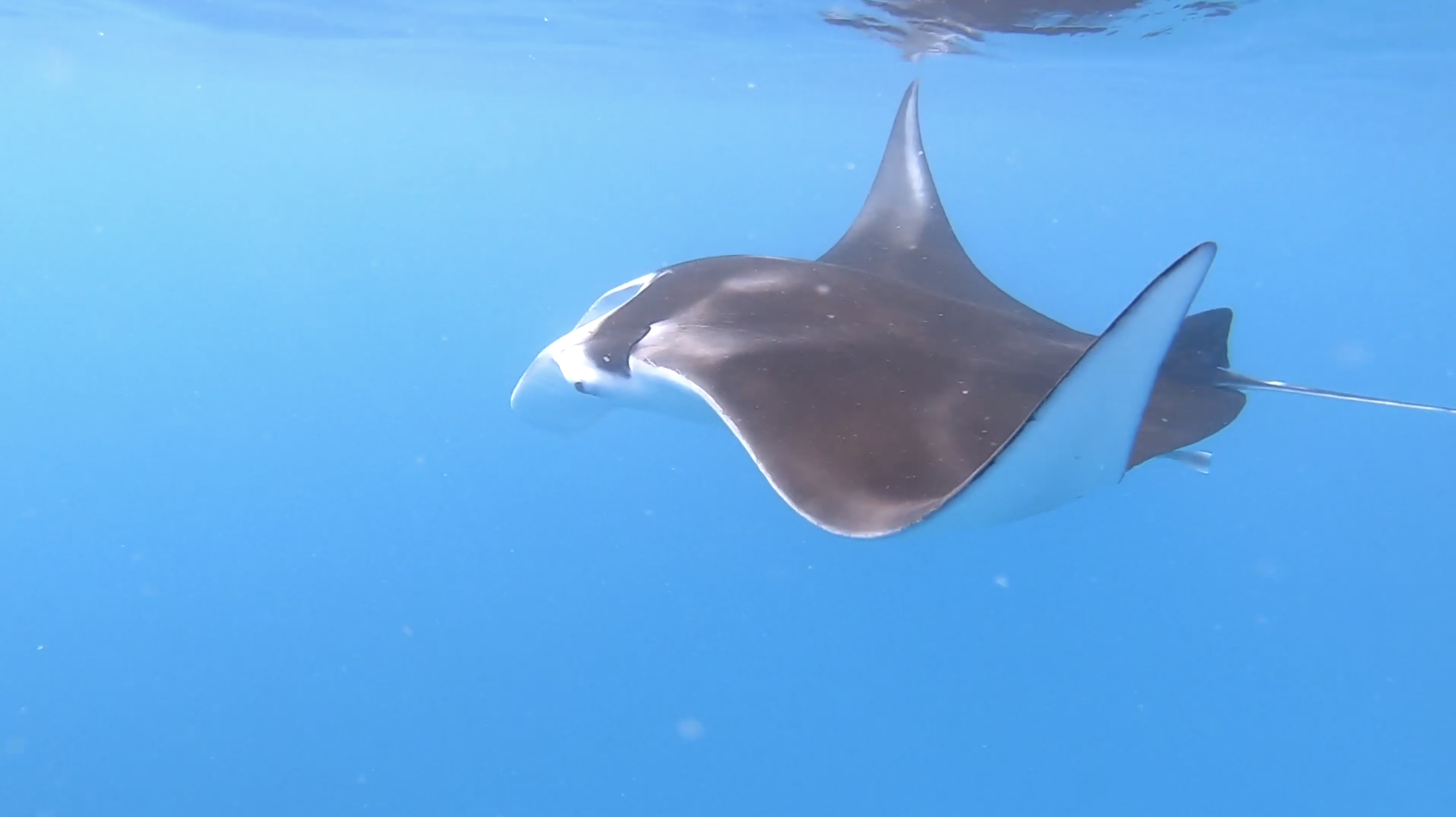
In Fiji, Cody worked directly with local communities on the island of Somo Somo to co-create a Marine Protected Area, a process requiring sustained community consultation, ecological survey work, and the navigation of traditional governance structures alongside scientific and policy frameworks. At Barefoot Kuata and Barefoot Manta, he conducted shark conservation work focused on Bull Sharks (Carcharhinus leucas) and Manta Rays (Mobula alfredi), two species of significant conservation concern whose presence at these sites underpins a thriving dive tourism economy that provides a powerful economic argument for their protection.
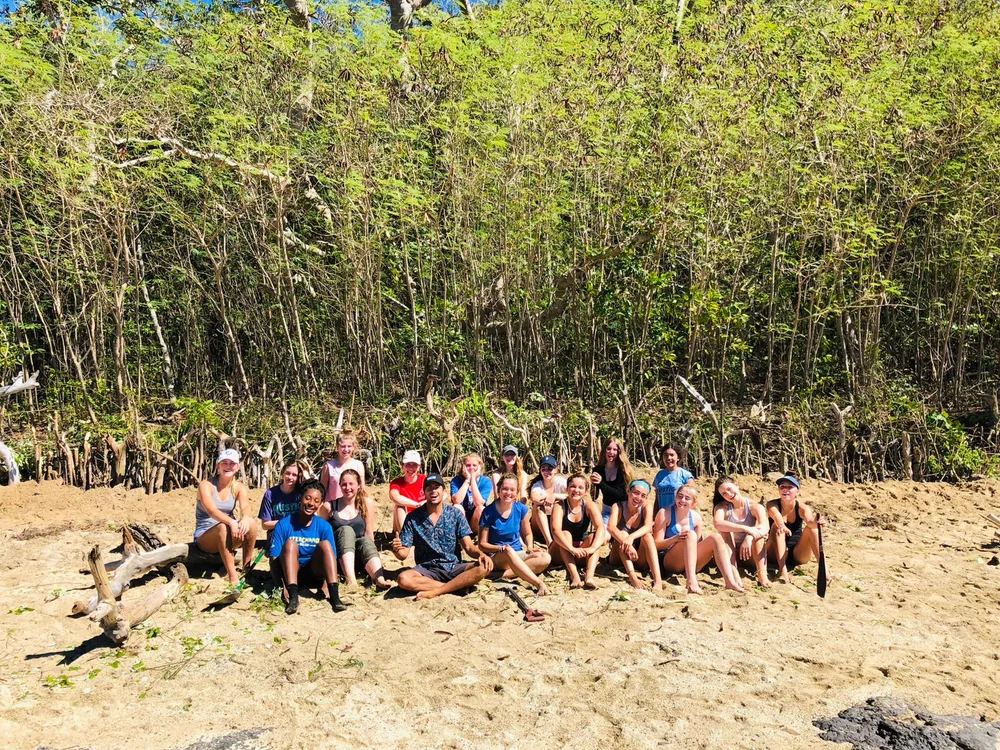
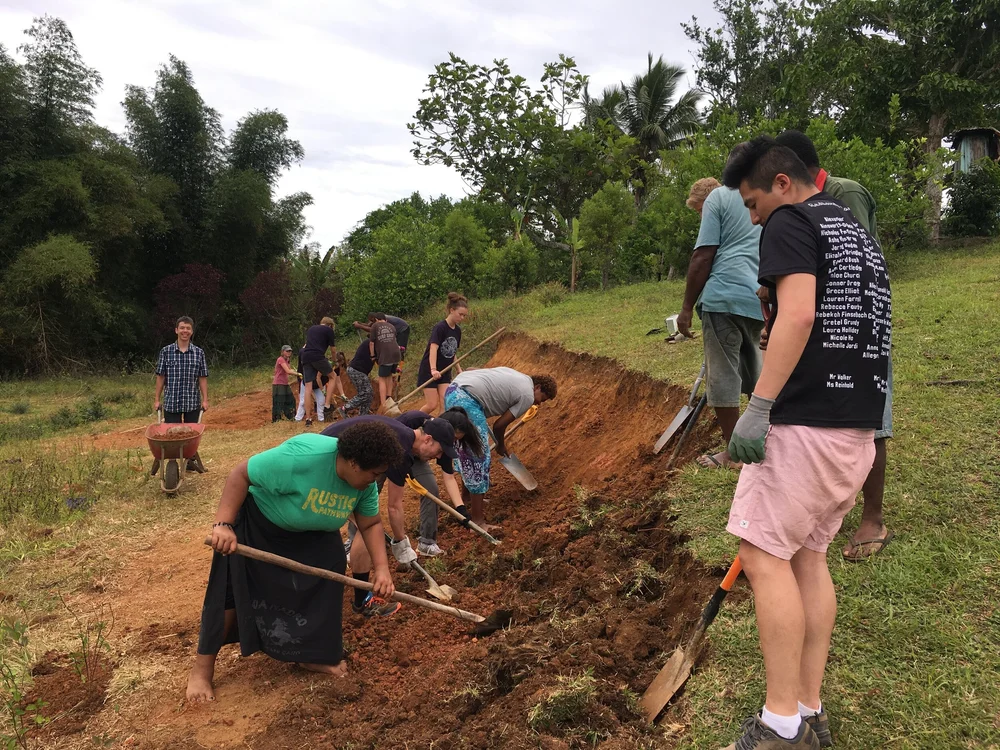
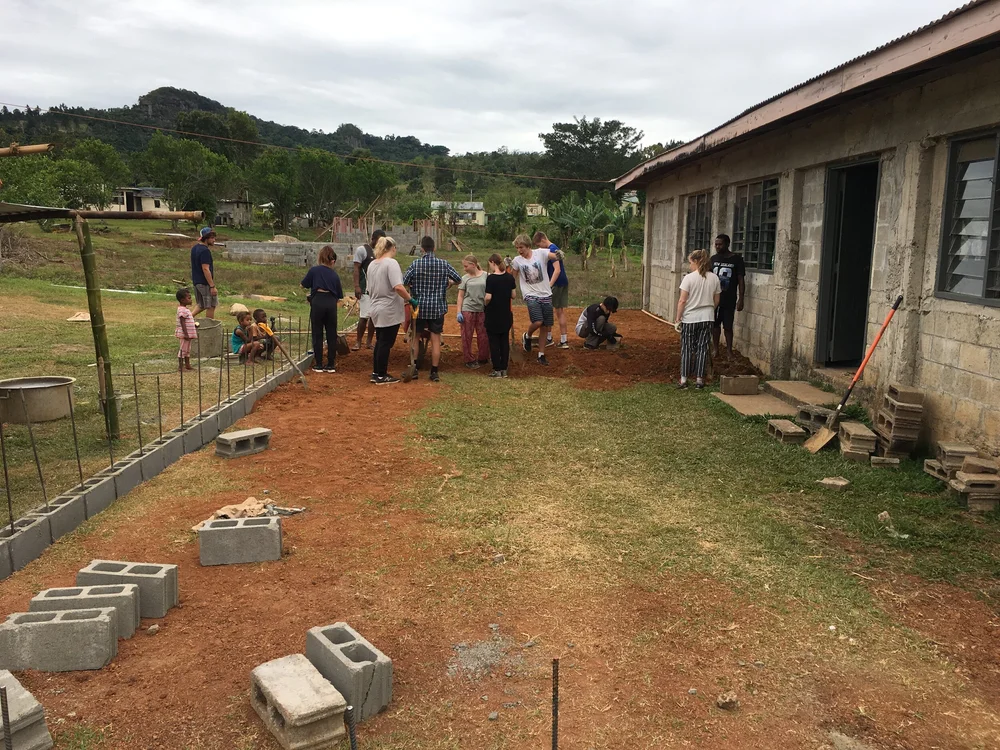
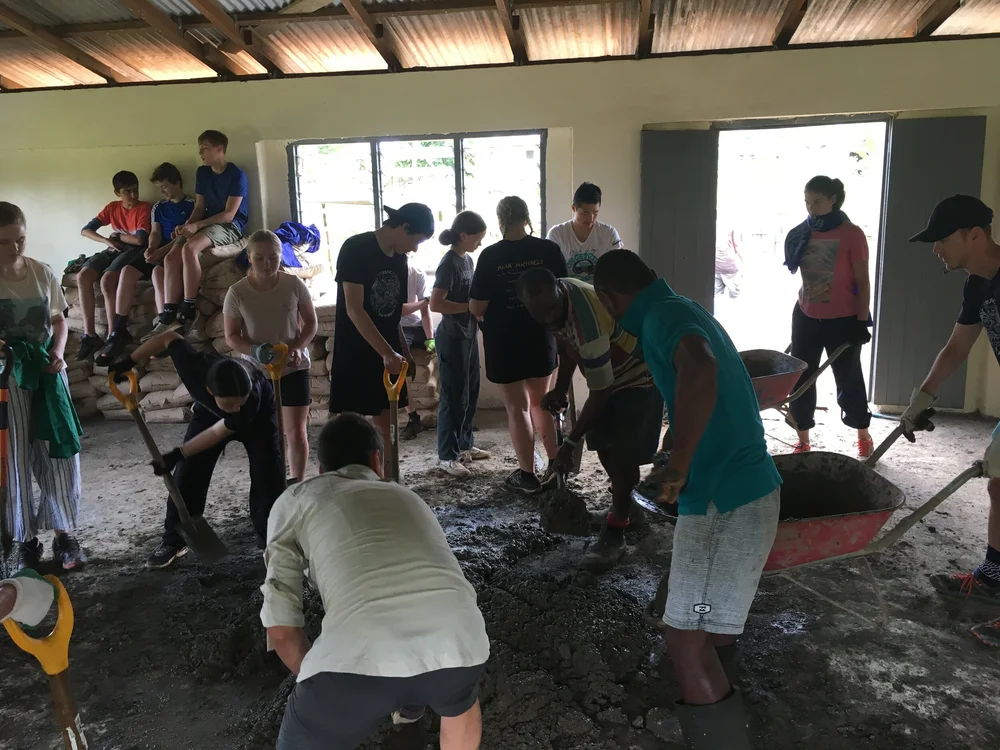
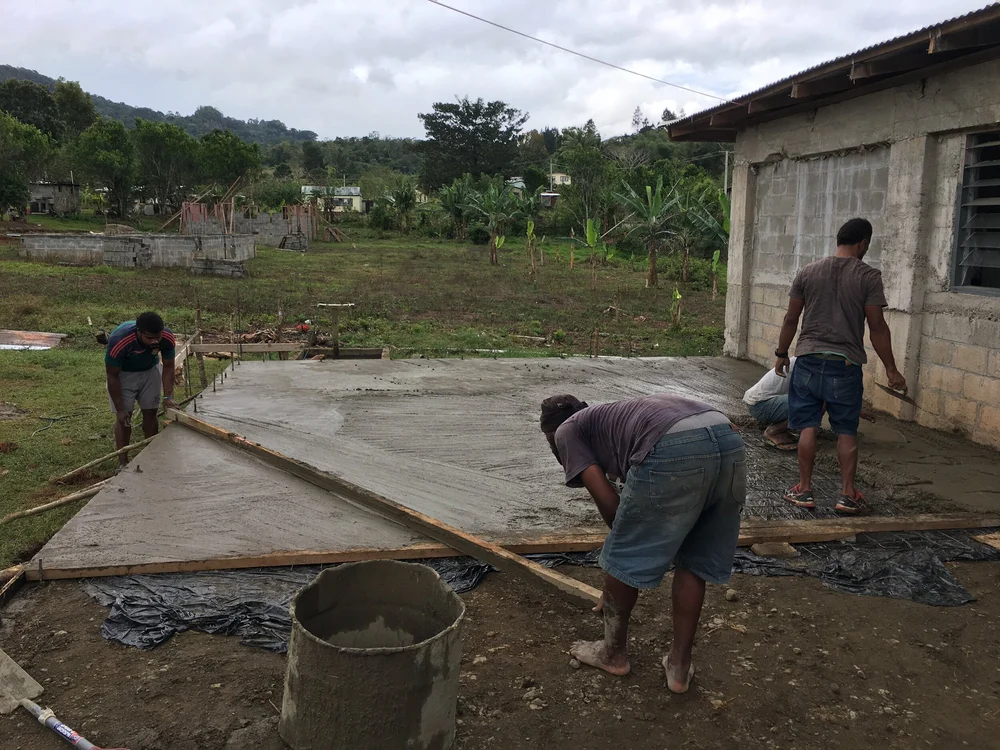
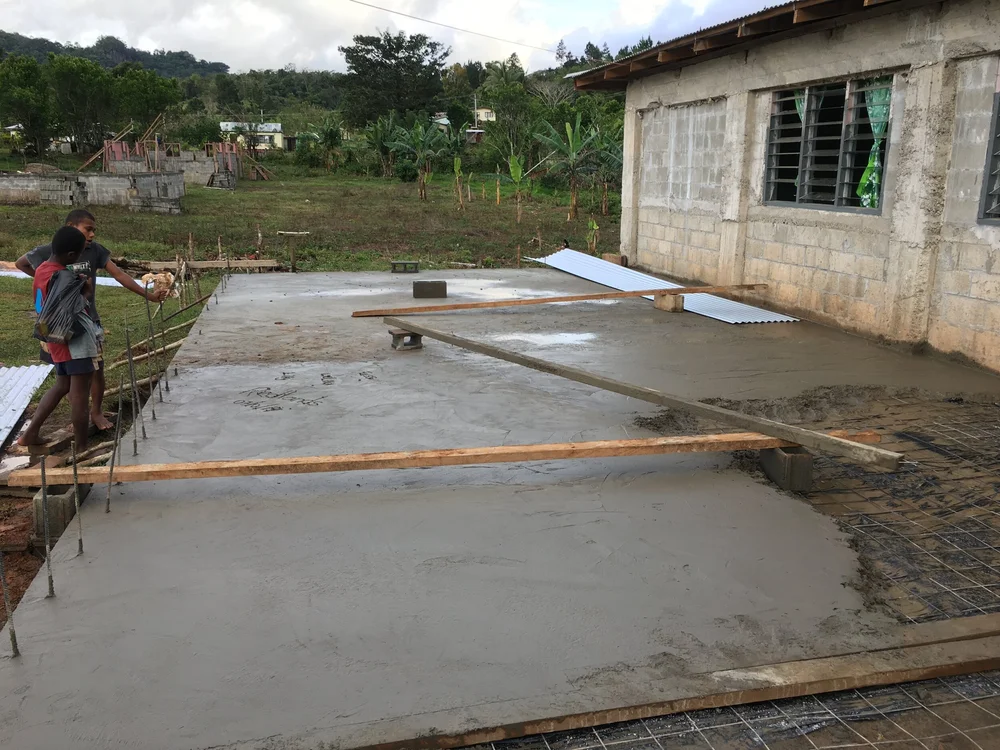
Environmental restoration work included the planting of over 2,000 mangrove trees with student cohorts, contributing to the rehabilitation of coastal habitat that provides nursery grounds for fish, carbon sequestration, and coastal protection. Cody also led student teams in removing over 1,200 pounds of waste from multiple Fijian beaches, and contributed to the rebuilding of a primary school and playground on Somo Somo following the devastation wrought by Tropical Cyclone Winston in 2016, at the time the most intense tropical cyclone ever recorded in the Southern Hemisphere. Additional infrastructure projects included the construction of composting toilets and community walkways in Momi Village.
Beyond Fiji, Cody led community service and environmental education programmes in Hawaii, South Korea, Thailand, Vietnam, Cambodia, and Puerto Rico, coordinating logistics, student safety, local partnerships, and programme delivery across cultures, languages, and ecosystems. The breadth of this operational experience, managing complex, multi-stakeholder conservation programmes in resource-constrained field environments, is central to Cody's practical conservation toolkit.
Rustic Pathways ↗
Lombok, Indonesia
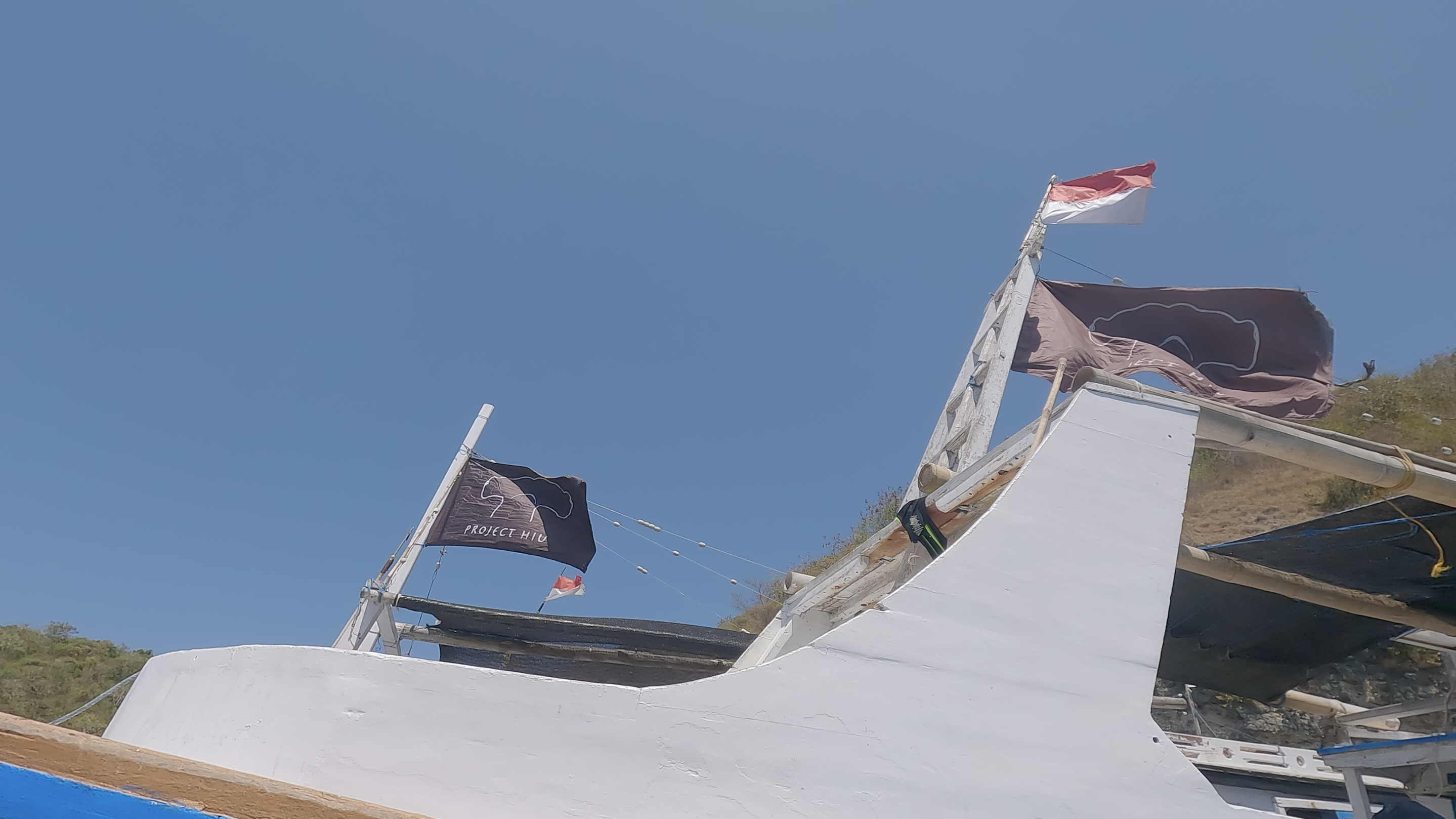
Project Hiu is a conservation organisation operating on the fundamental premise that lasting protection for sharks requires working with, not against, the fishing communities whose livelihoods have historically depended on them. Based in Lombok, Indonesia, the organisation operates a rapidly growing fleet of hand-built shark fishing vessels, repurposed from extraction to ecotourism, crewed by the same fishermen who once hunted the species they now help protect.
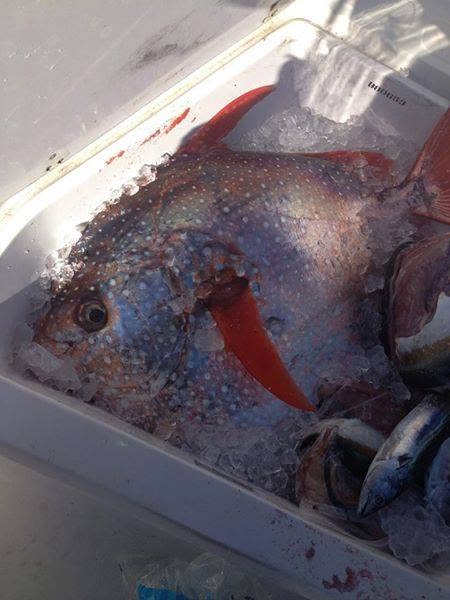
Indonesia is the world's largest shark-fishing nation by volume, and the scale of the problem is staggering: 80% of shark species caught in Indonesian waters are classified as endangered, vulnerable, or near threatened on the IUCN Red List. Both the sharks and the fishermen who catch them are casualties of an international trade in shark fins that generates most of its profit for intermediaries and traders, leaving fishing communities with minimal economic return for enormous ecological cost.
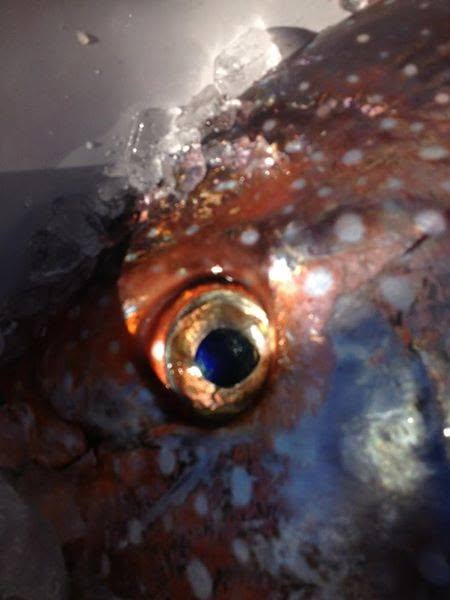
The architecture of Project Hiu's approach reflects a conviction that Cody holds deeply: that conservation without economic justice is unsustainable, and that the communities bearing the heaviest cost of the global fin trade deserve to be its primary beneficiaries of change. By providing fishing boat owners and crews with a viable alternative livelihood through dive and snorkelling ecotourism, Project Hiu removes the economic compulsion to fish for sharks while preserving the community's identity, skills, and income. The results are measurable and significant.
Project Hiu has also deployed the first tiger shark tags ever placed in Indonesian waters, a scientific milestone that begins to map the movements, habitat use, and transboundary behaviour of a species that has never before been studied in this jurisdiction. The organisation has built clean water infrastructure for the fishing community's school, and supported two former fishermen in accessing university education, breaking cycles of dependency on shark fishing through investment in the next generation.
Cody's internship with Project Hiu provided direct field experience in one of the world's most challenging and consequential conservation contexts, one that demands not only scientific knowledge, but cultural sensitivity, community trust, and a genuine commitment to the idea that conservation must generate, not diminish, human opportunity.
Project Hiu ↗
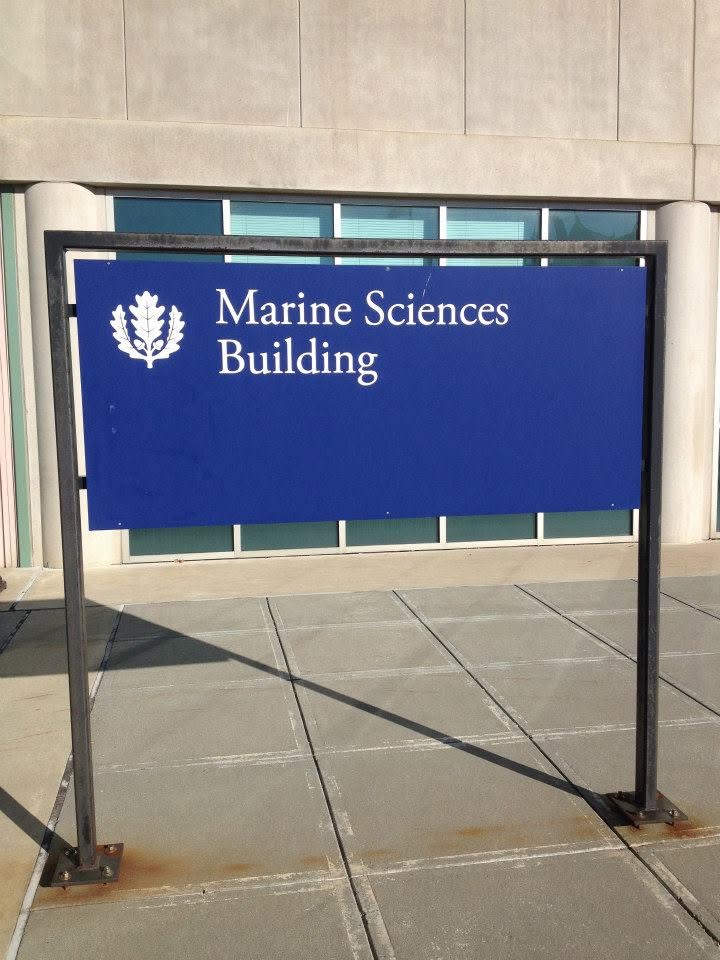
New London, Connecticut
The New England Science and Sailing Foundation (NESS) is an educational non-profit organisation based in New London, Connecticut, that uses ocean-based experiential learning as a vehicle for academic engagement, STEM education, and personal development, particularly among underserved youth for whom the ocean represents both a place of transformation and a source of professional opportunity.
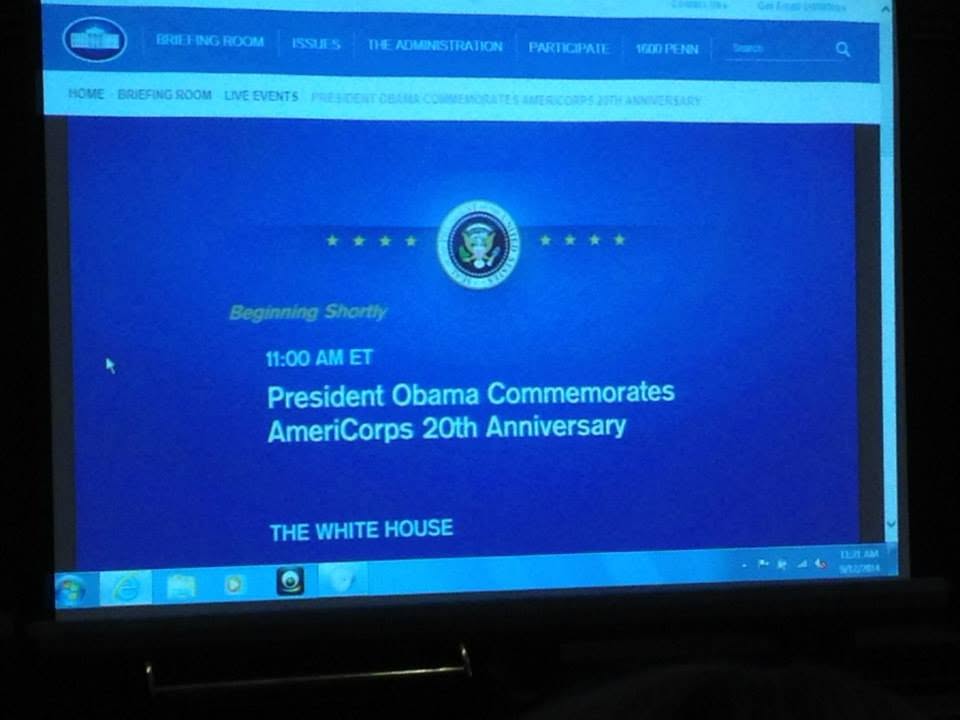
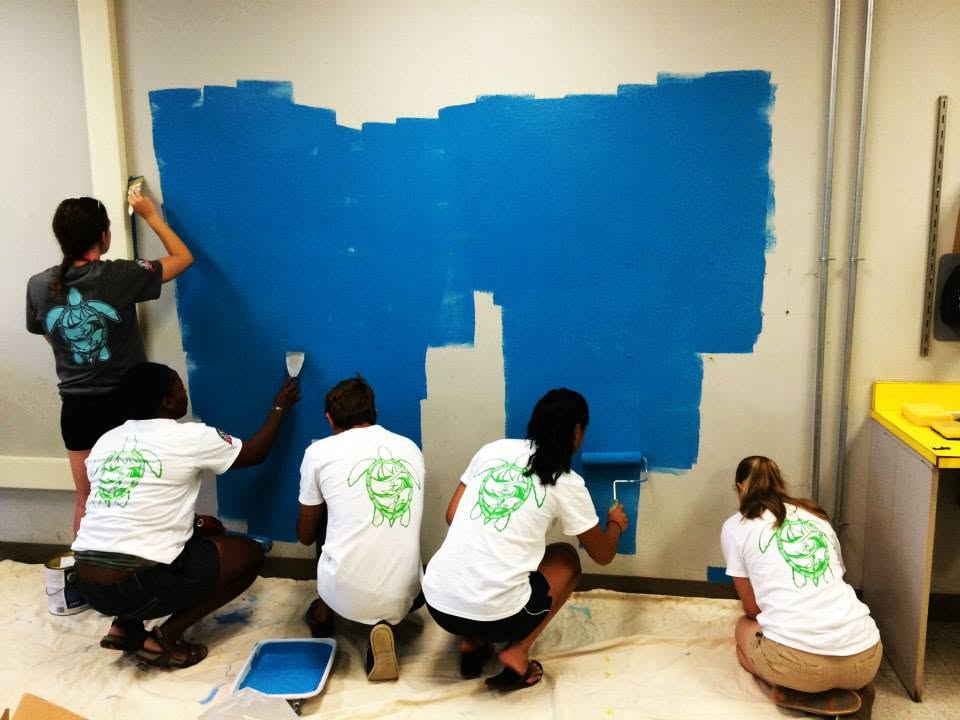
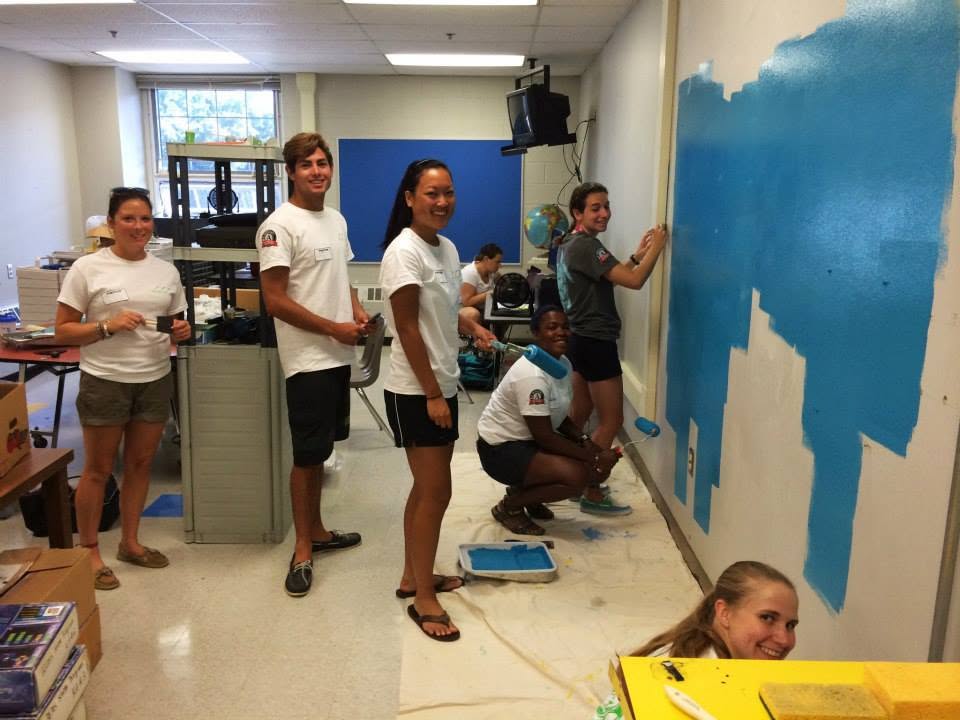
Cody completed a full year of AmeriCorps national service embedded within NESS as a STEM Educator, working directly with young people from New London and the surrounding region. AmeriCorps, the federal national service programme, places individuals in high-need communities to address critical challenges in education, environmental stewardship, and community resilience. Service within the NESS partnership placed Cody at the intersection of all three.
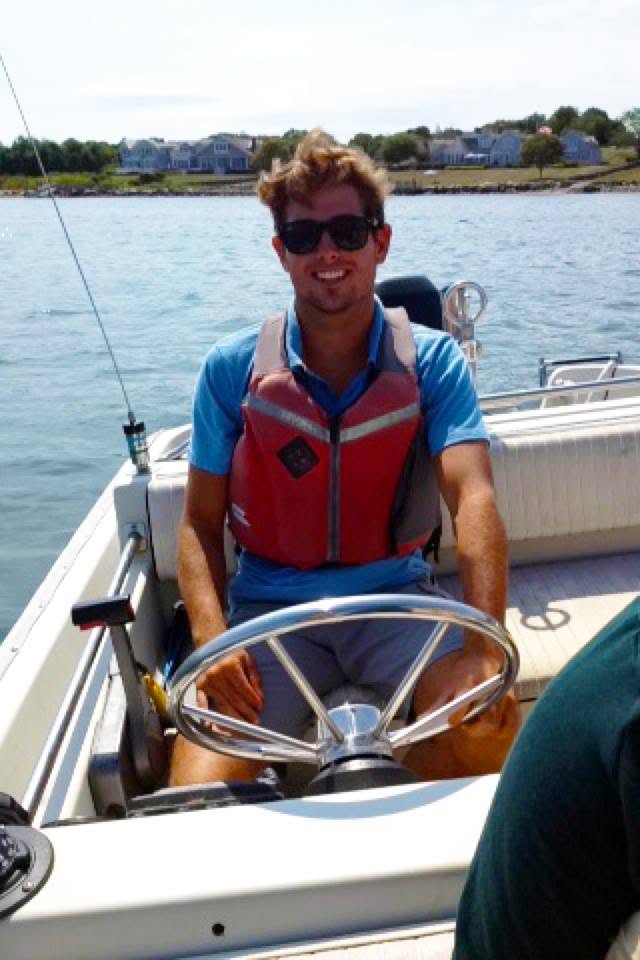
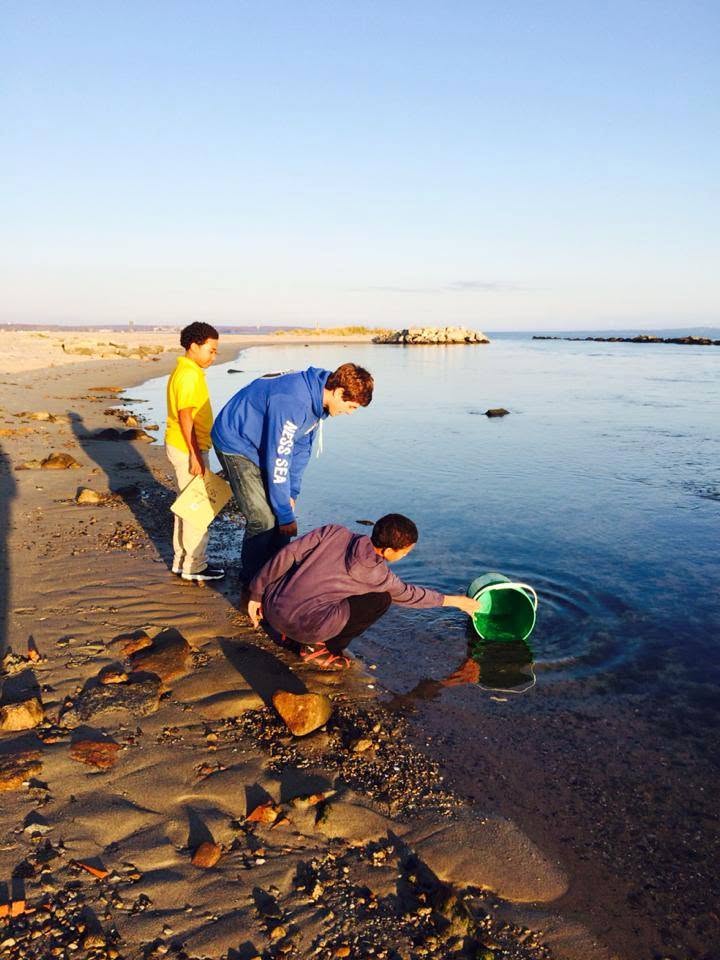
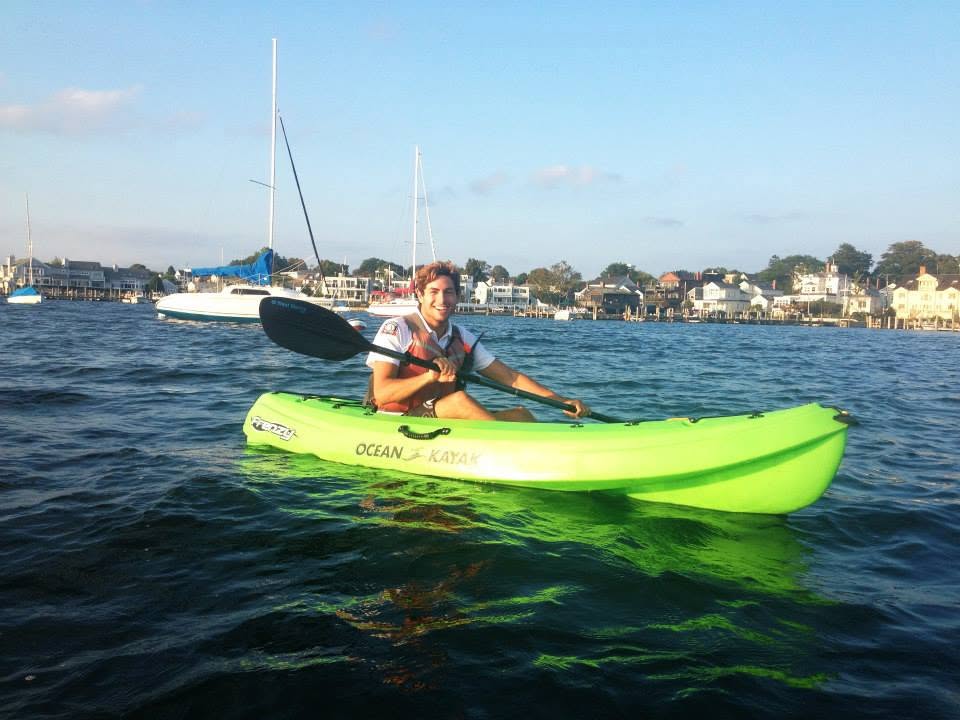
His role encompassed the delivery of hands-on marine science education, introducing students to fundamental concepts in oceanography, marine biology, and ecological literacy through direct experience in Long Island Sound and the adjacent coastline. Alongside the scientific curriculum, Cody delivered sailing instruction, sea kayaking, and snorkelling programmes, using the ocean itself as classroom, laboratory, and challenge environment.
The explicit pedagogical mission of NESS is to use the ocean as a tool for keeping students engaged in school and opening pathways to higher education and careers that might otherwise remain inaccessible. Research consistently demonstrates that experiential, place-based learning, particularly in outdoor and maritime settings, produces measurable improvements in academic engagement, self-efficacy, and environmental identity among young people from under-resourced backgrounds.
The year with NESS deepened Cody's conviction that conservation and education are inseparable. The future of ocean protection depends as much on the next generation of engaged, ocean-literate citizens as it does on policy frameworks and field science.
NESS Foundation ↗
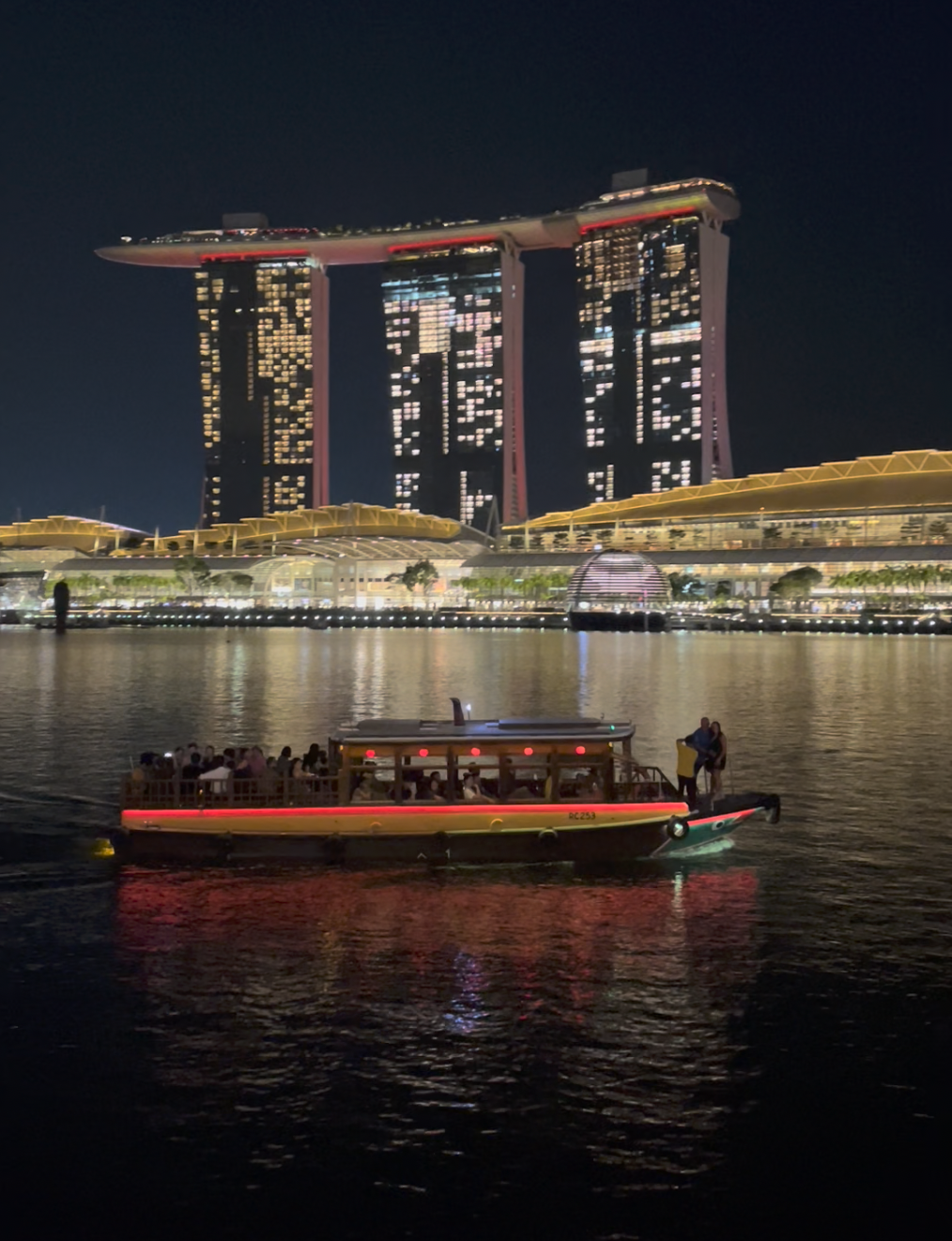
Global — Singapore · Barcelona · Sydney · Dubai · Washington D.C. · Bangkok · Istanbul · San Diego · Los Angeles · Cuba · New Orleans
The Young Presidents' Organization (YPO) is the world's most influential network of chief executives, with more than 35,000 members in over 140 countries. YPO's mission centres on the belief that the world needs better leaders, and its global programming, encompassing leadership conferences, business summits, and experiential learning events, brings together heads of state, industry leaders, scientists, and innovators at the highest levels of global influence.
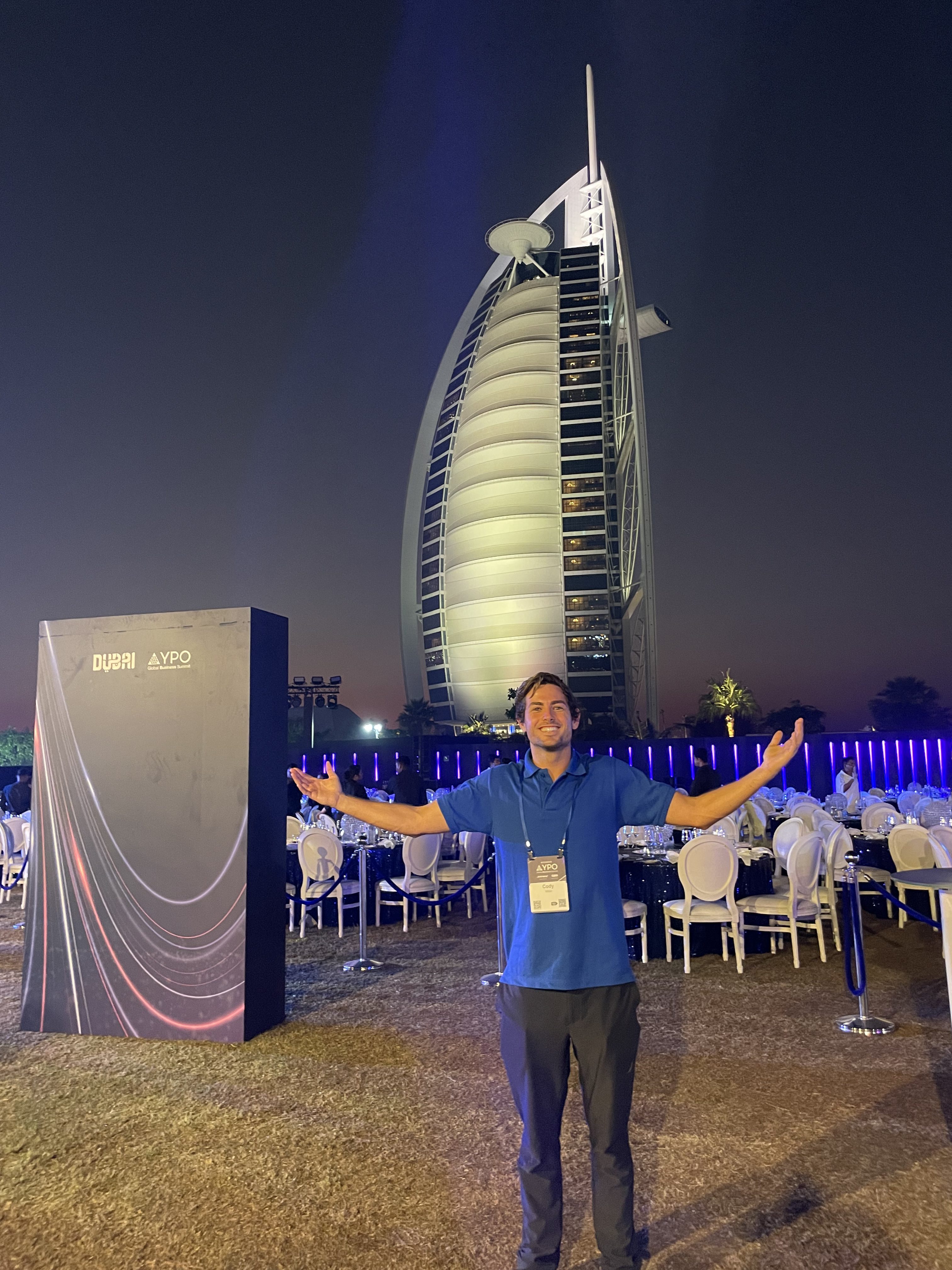
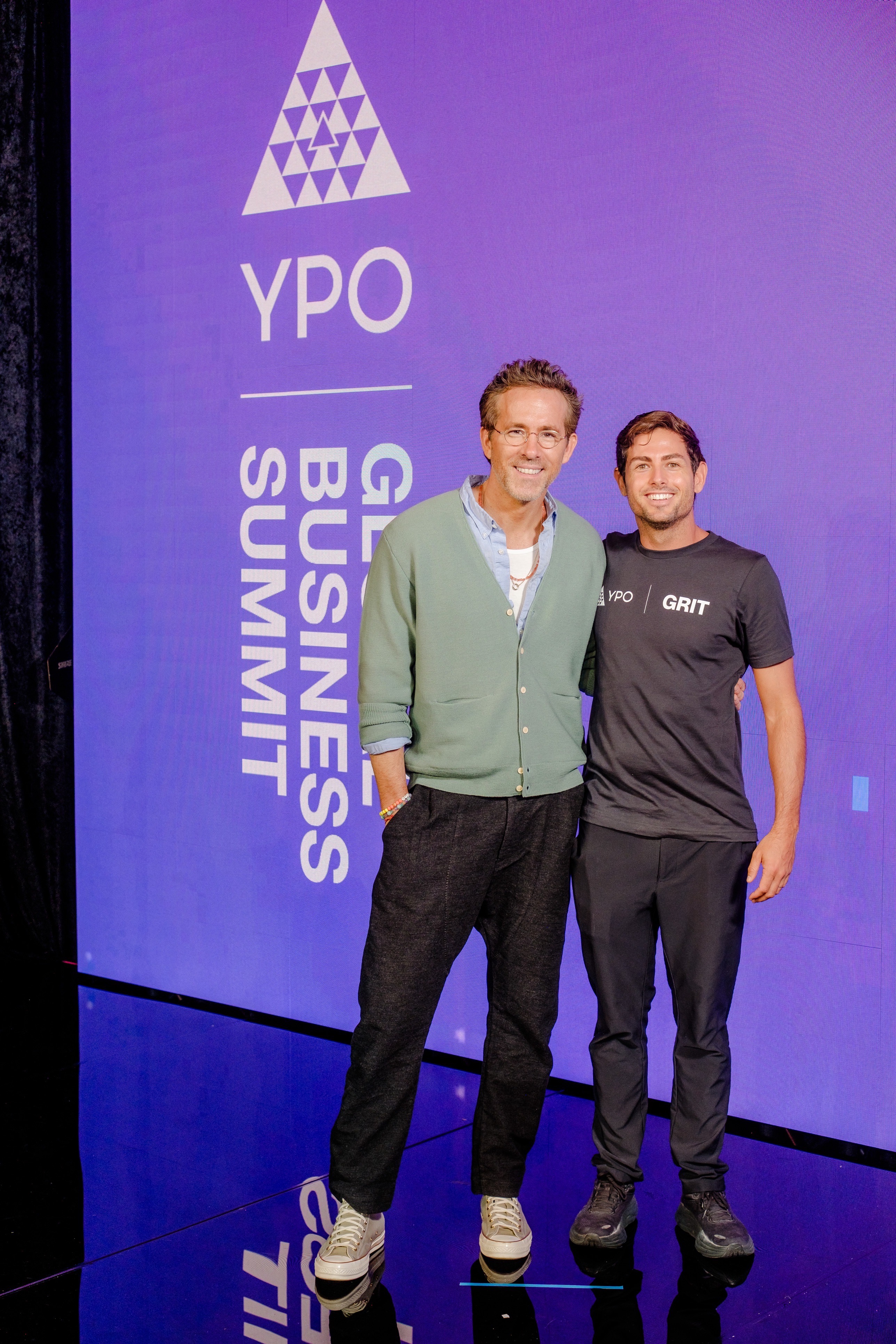
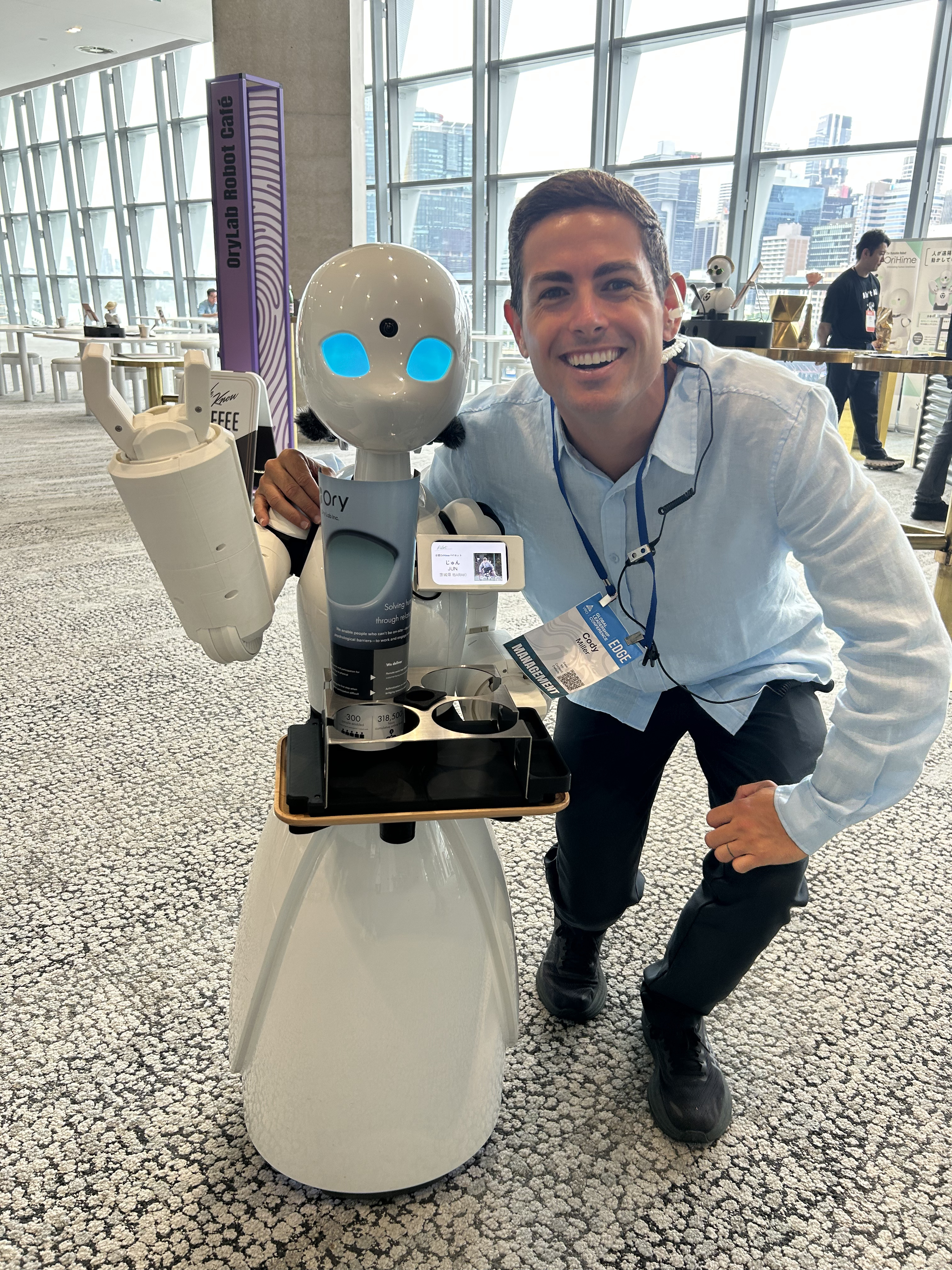
Cody currently serves as a member of the Core Global Events Team, responsible for the setup and execution of YPO's flagship global gatherings, including the bi-annual Global Leadership Conference, the Global Business Summit, and EDGE events. These are large-scale, complex, high-stakes productions that require meticulous logistical coordination, cross-cultural operational fluency, and the ability to perform consistently at an international standard in dynamic and demanding environments.
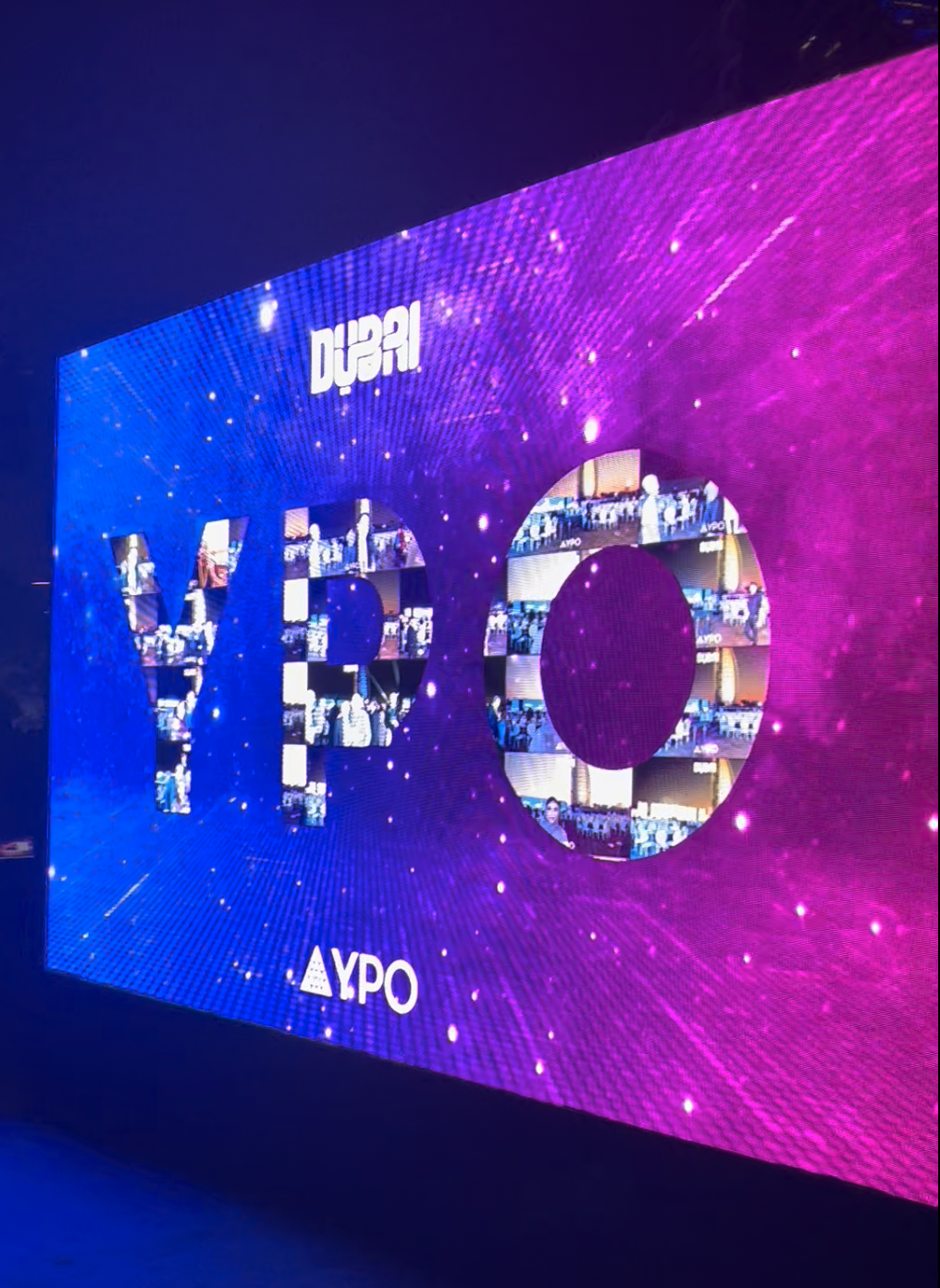
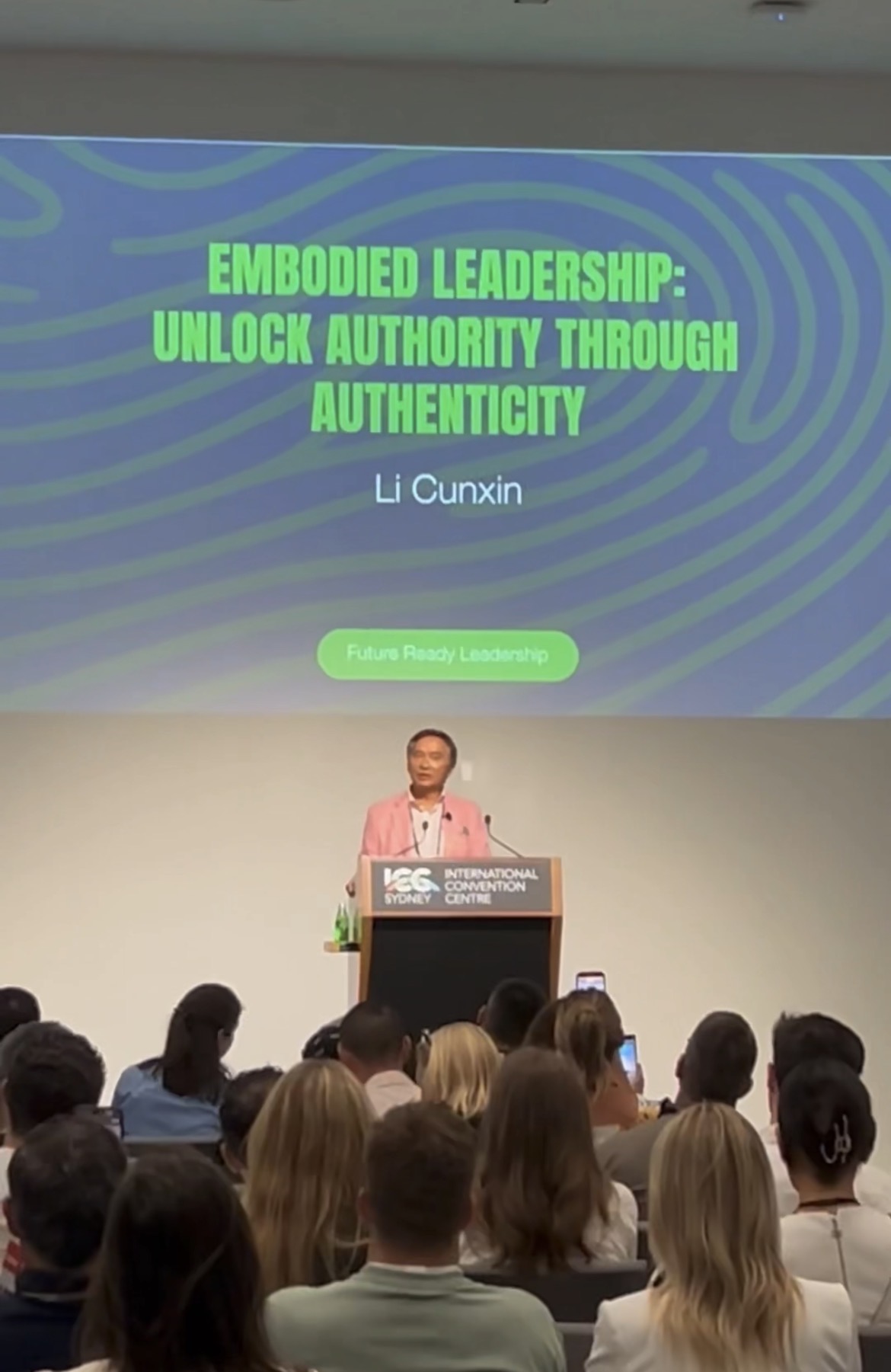
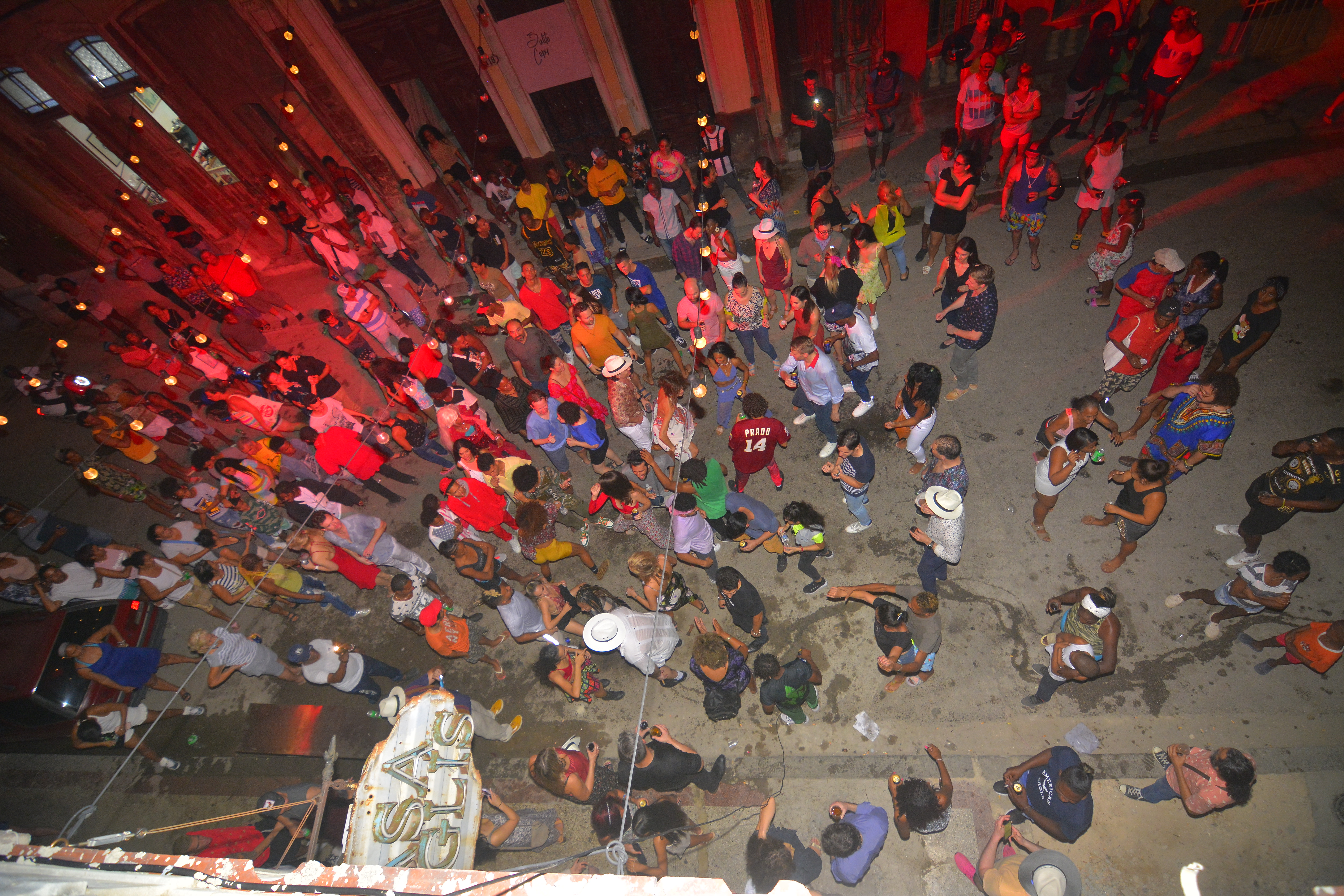
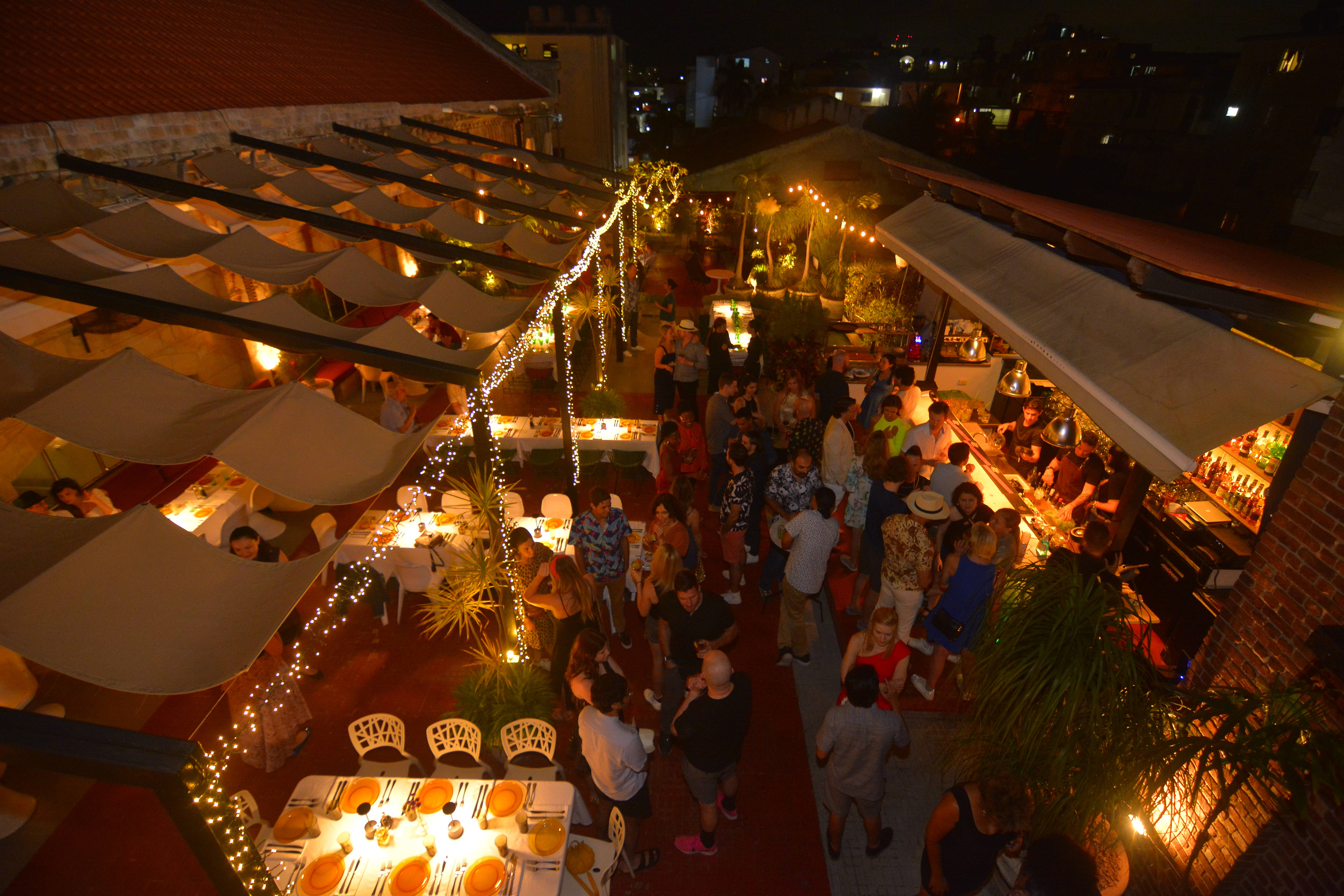
His work on the Global Team has taken him to Singapore, Barcelona, Washington D.C., Sydney, Bangkok, Istanbul, San Diego, and Los Angeles, in addition to leading and setting up events for the YPO San Francisco Chapter in Cuba, and the YPO Salt Lake City Chapter in New Orleans. Each event represents a unique operational challenge, requiring the management of venues, suppliers, speakers, security, technology, and guest experience across different regulatory environments, languages, and cultural contexts.
The YPO role reflects a dimension of Cody's professional profile that complements his scientific and conservation work: the operational precision, cross-cultural intelligence, and high-performance standards demanded by elite global event production are the same qualities that make effective conservation fieldwork possible in complex, remote, and often unpredictable environments.
YPO ↗
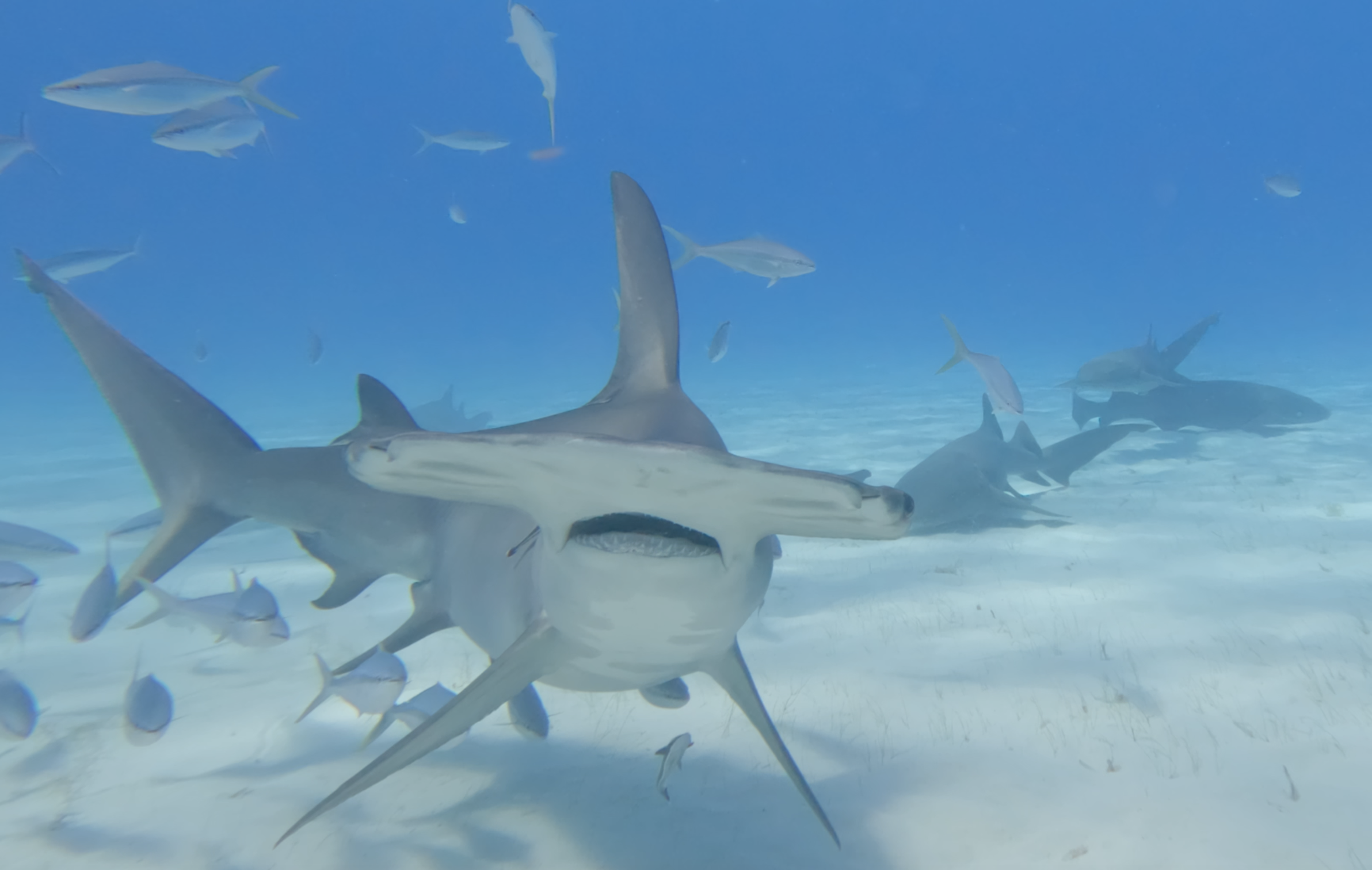
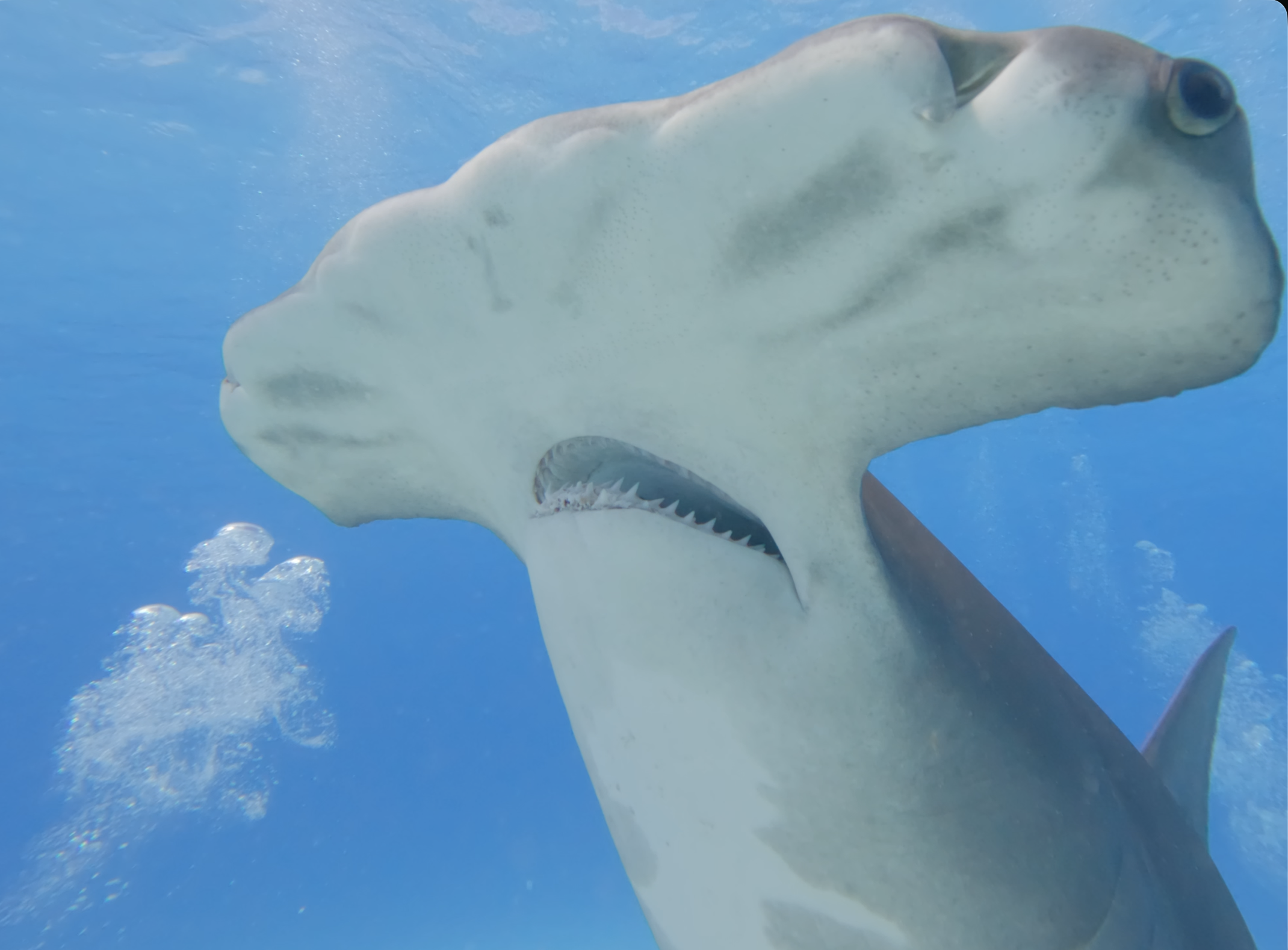
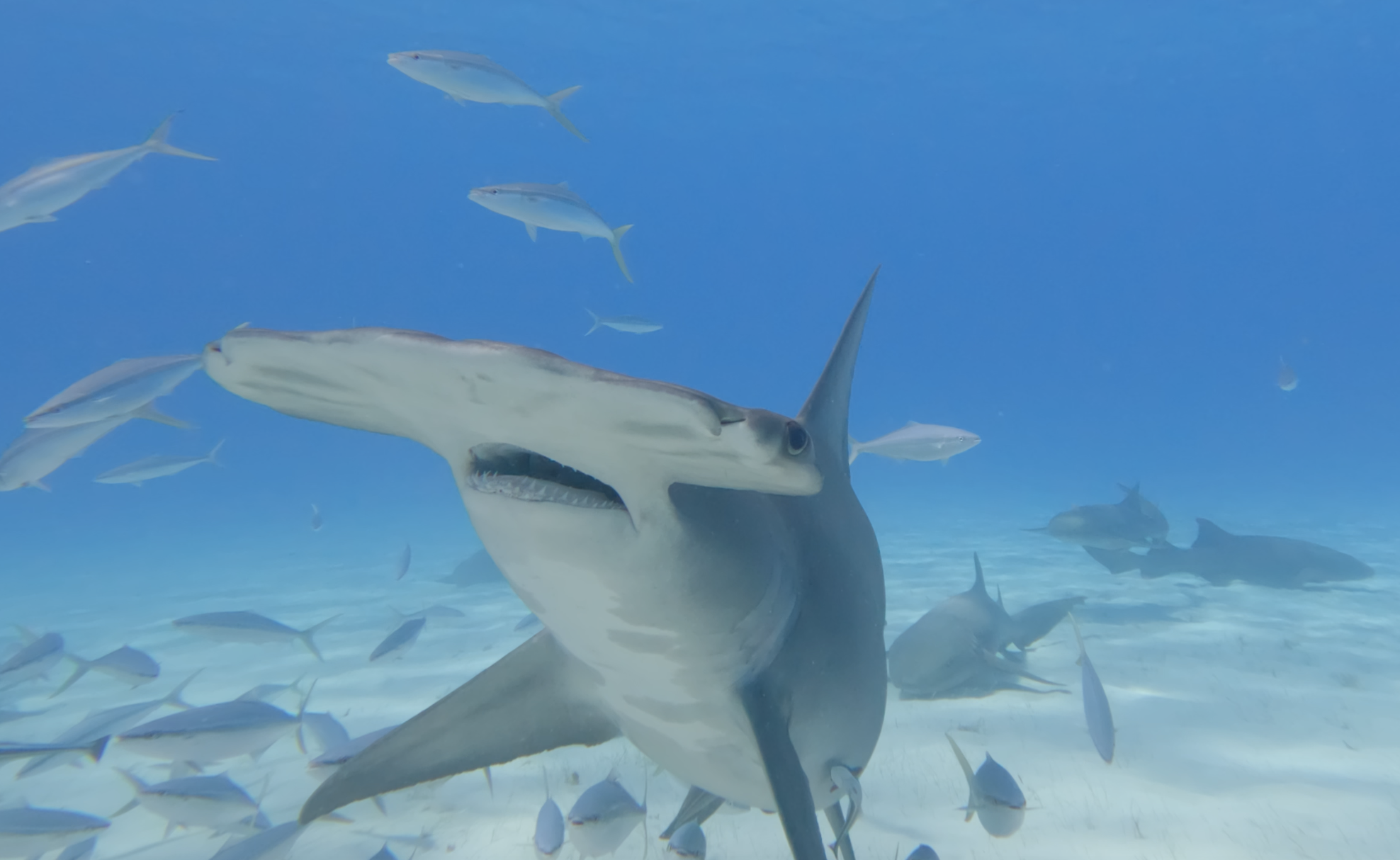
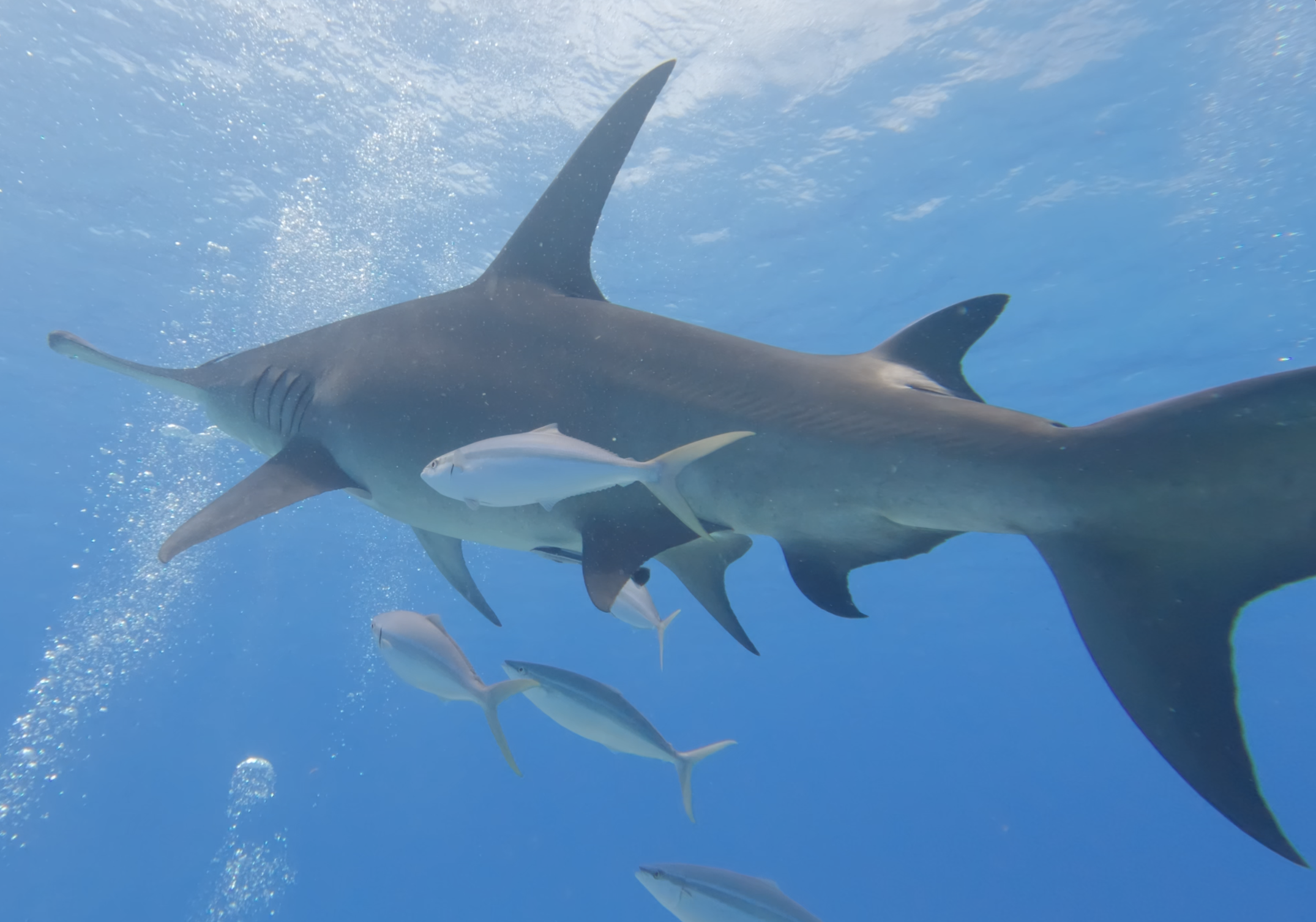
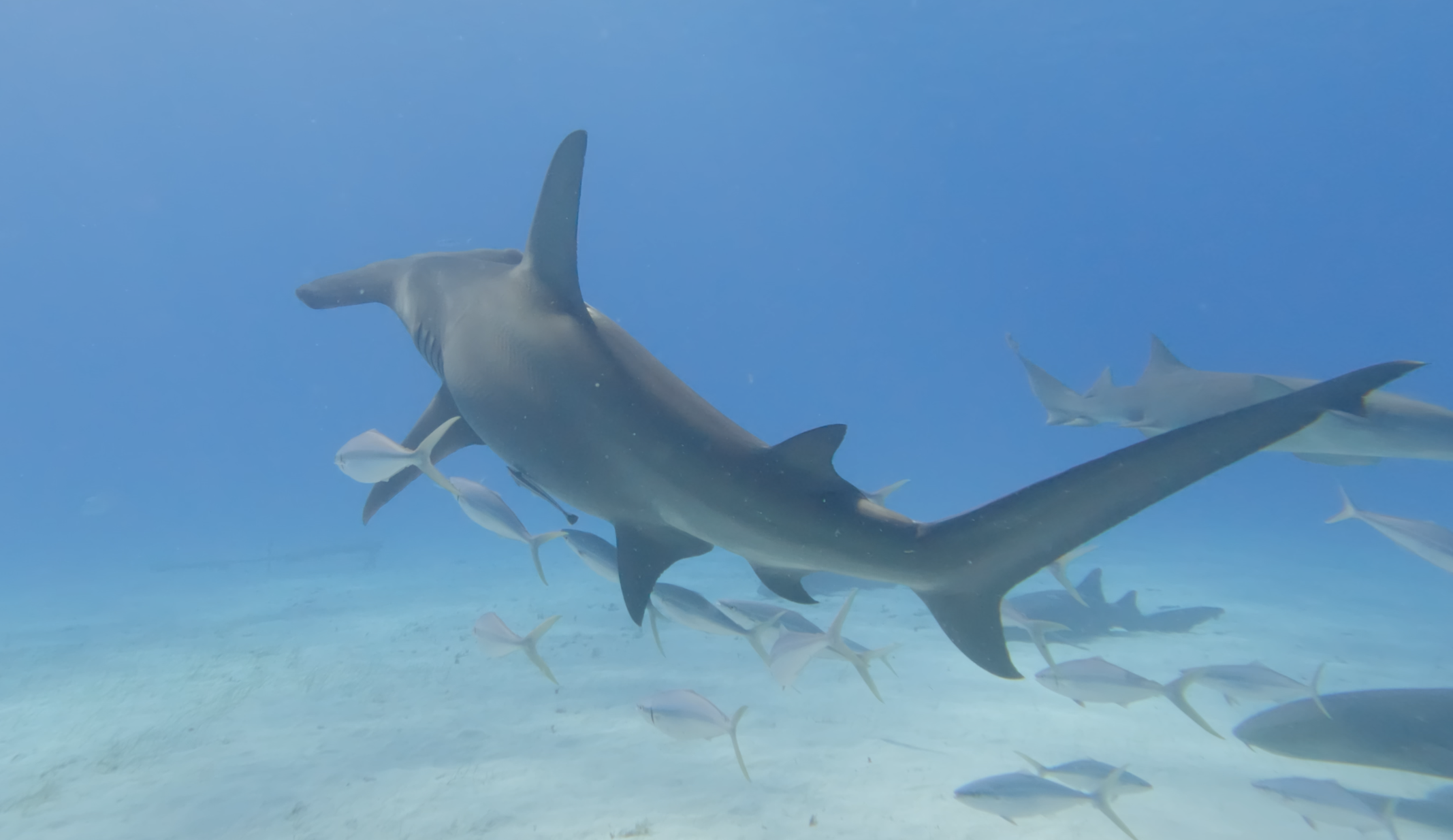
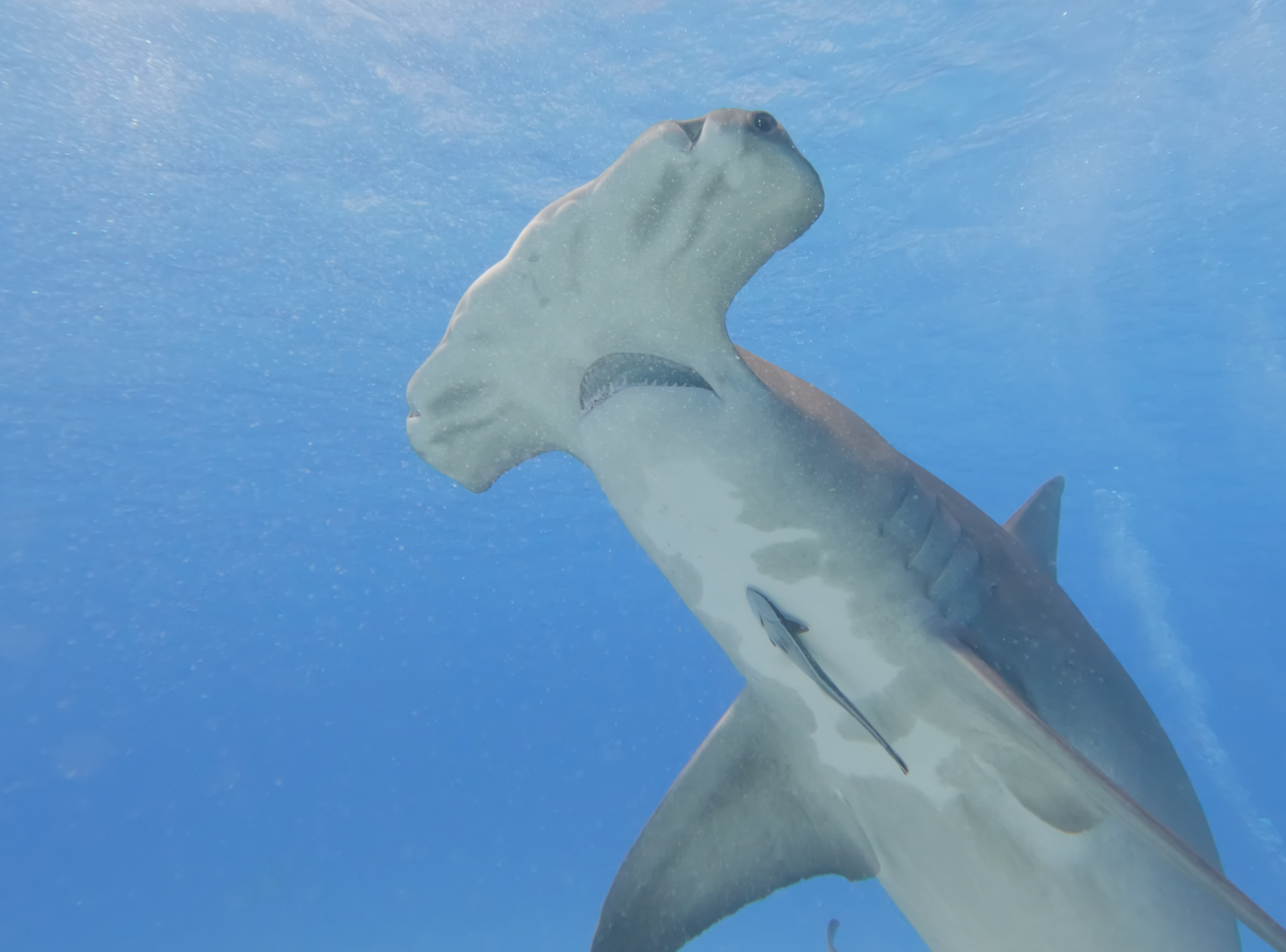
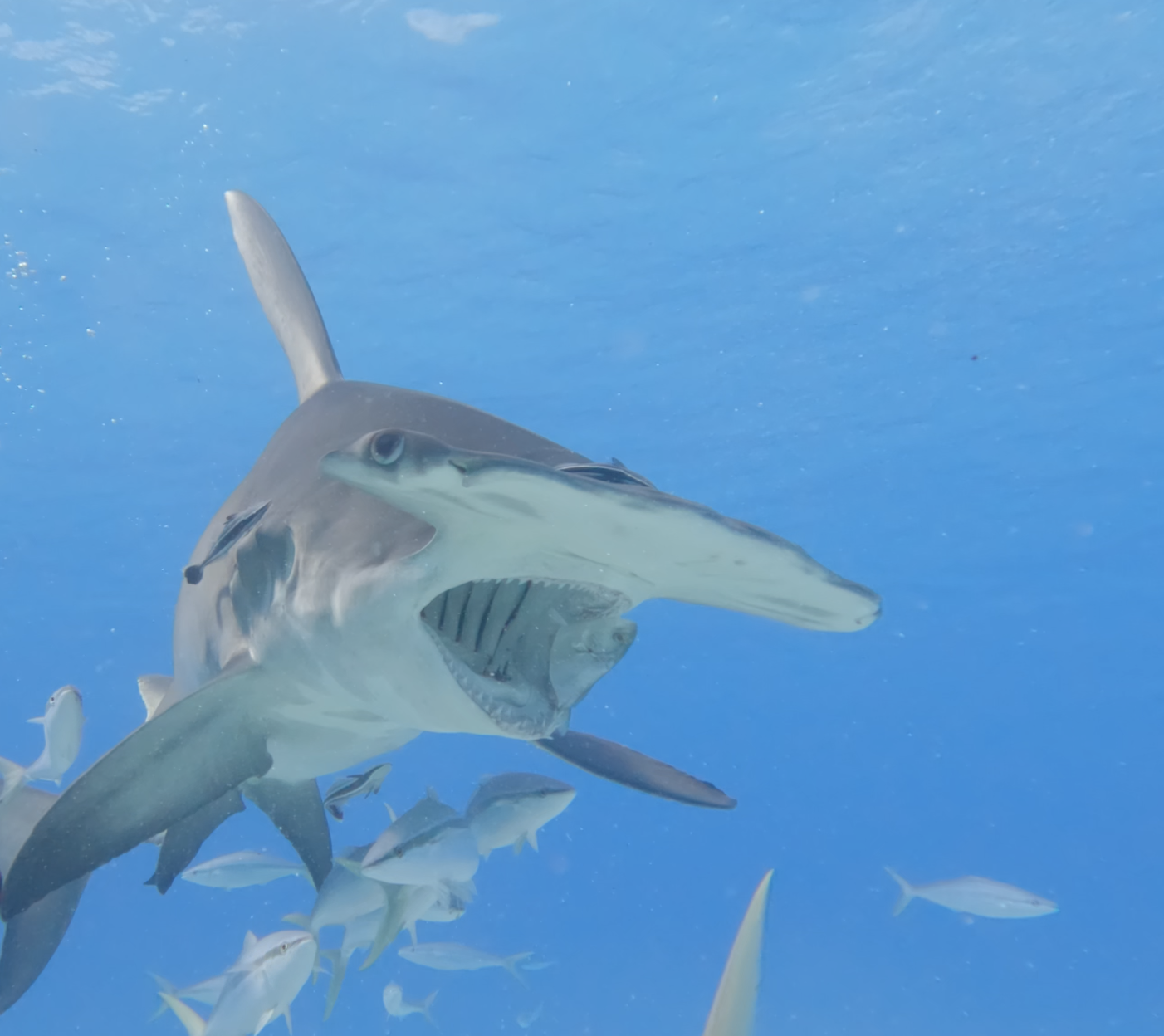
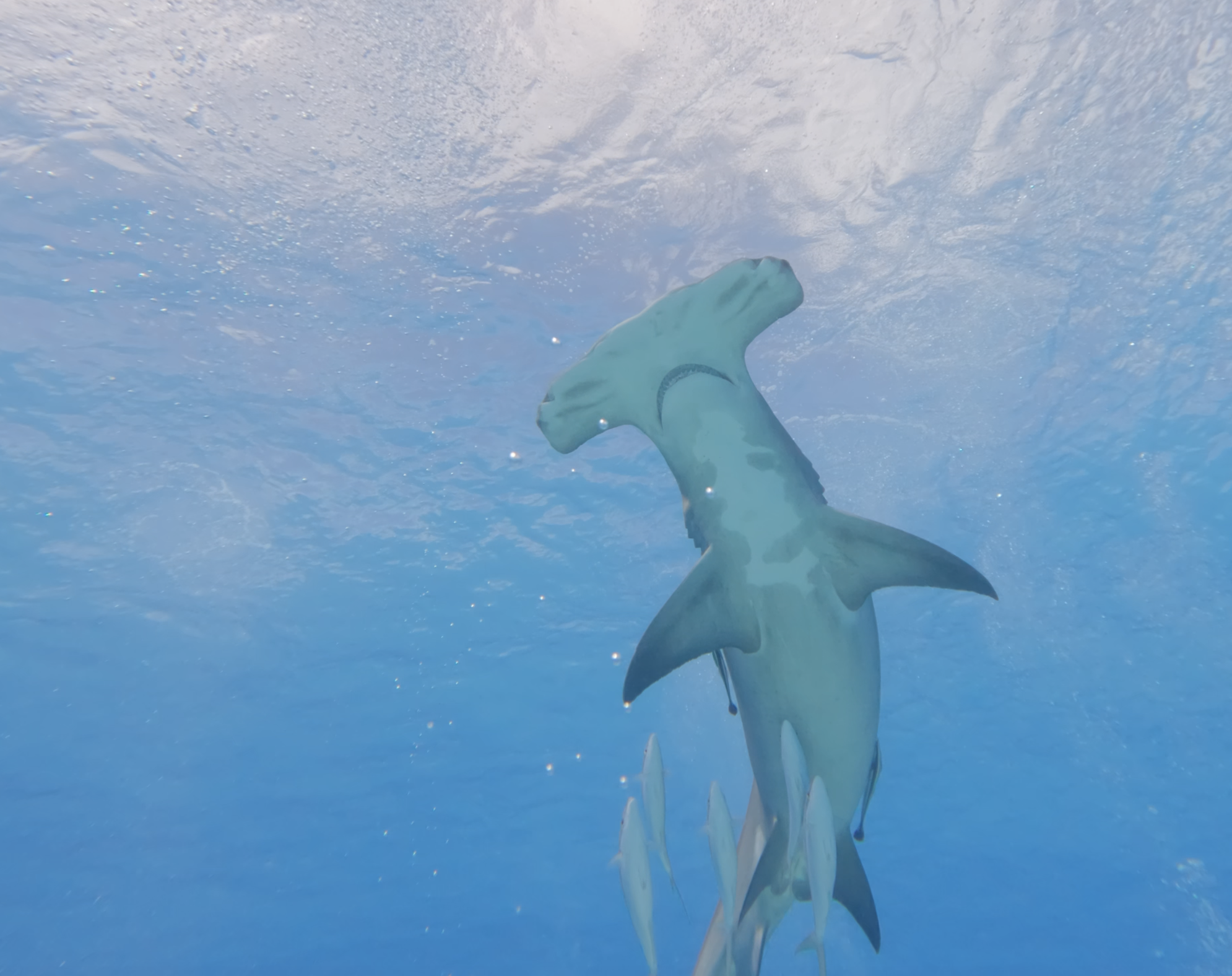
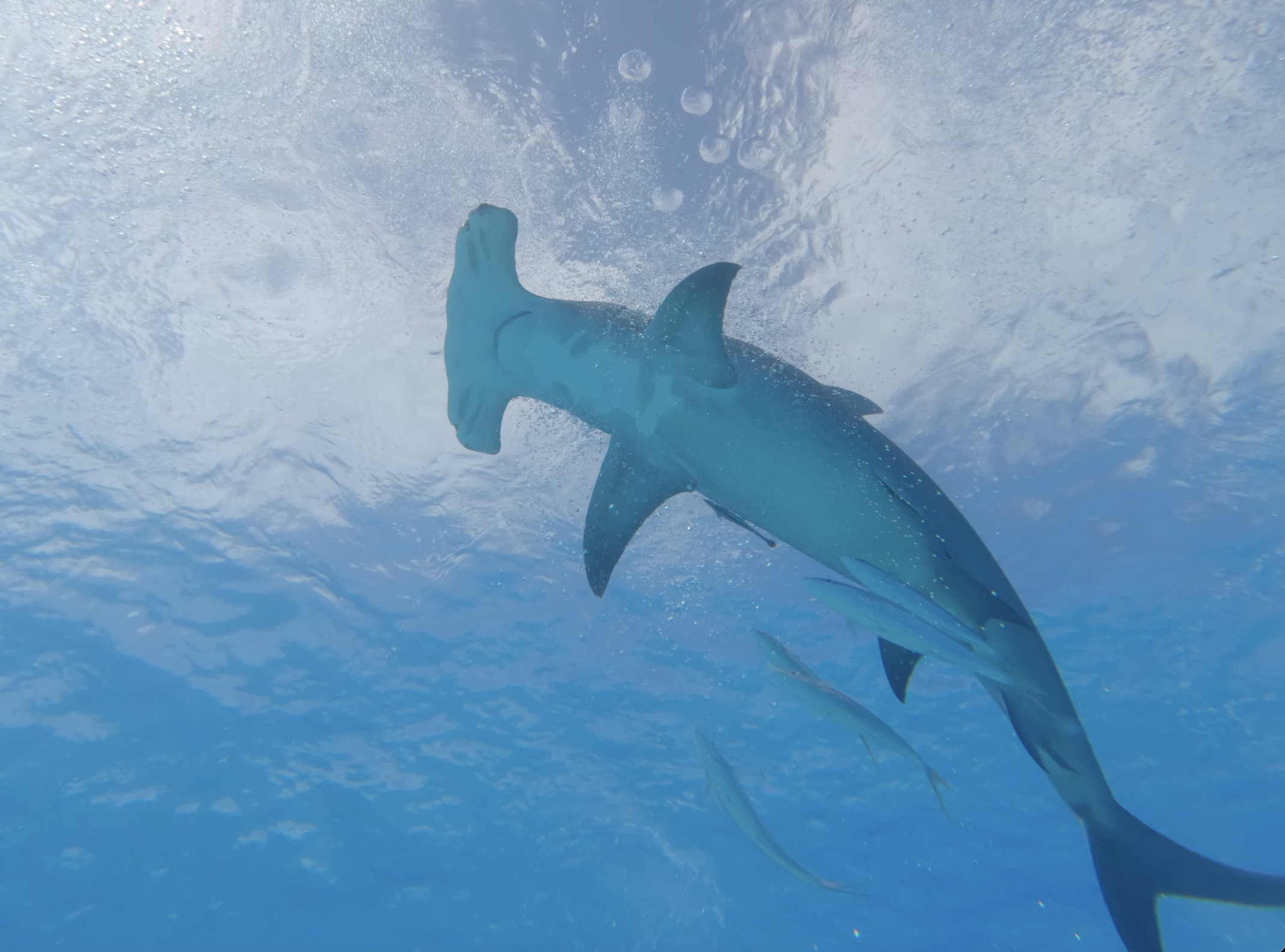
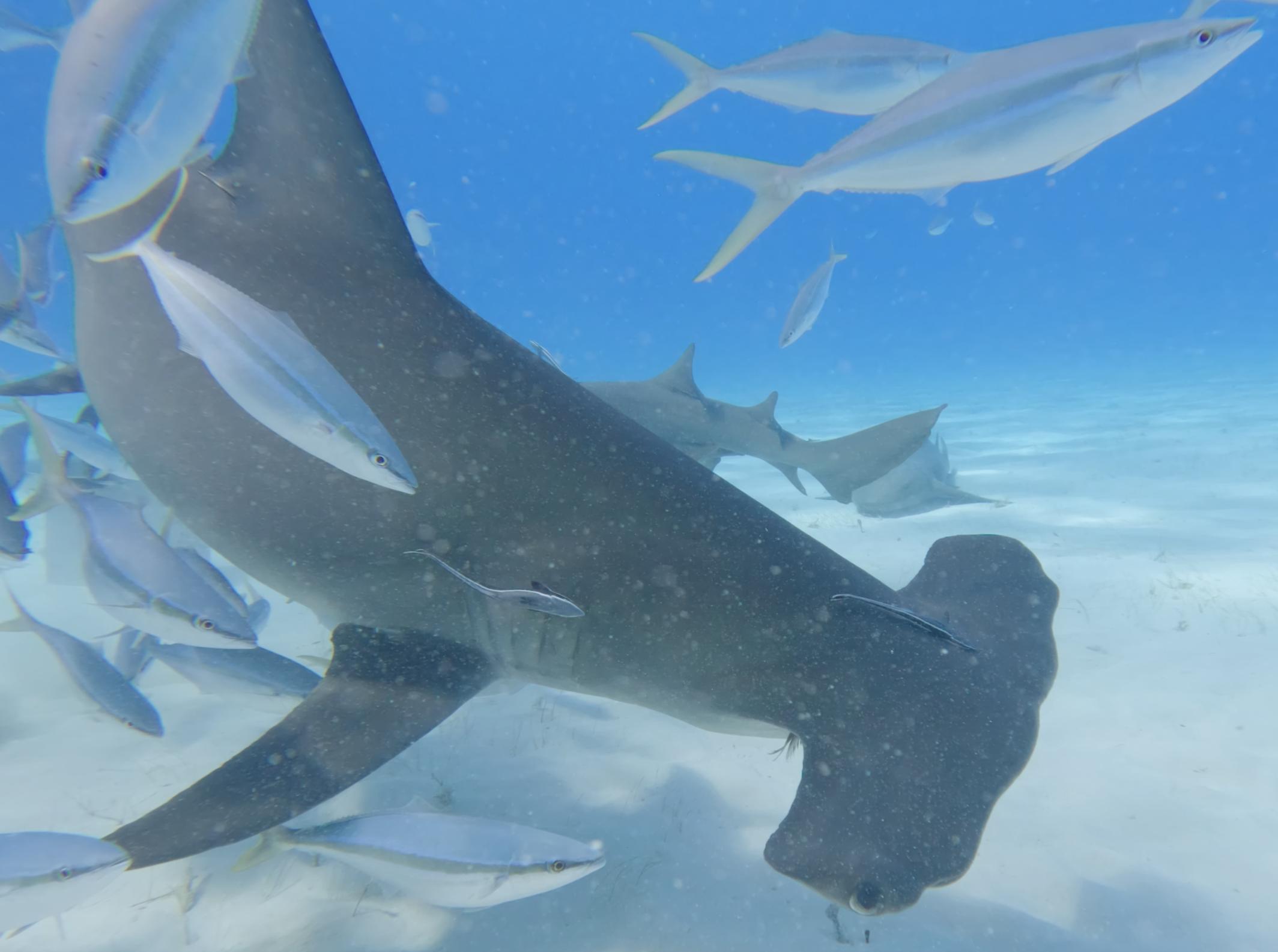
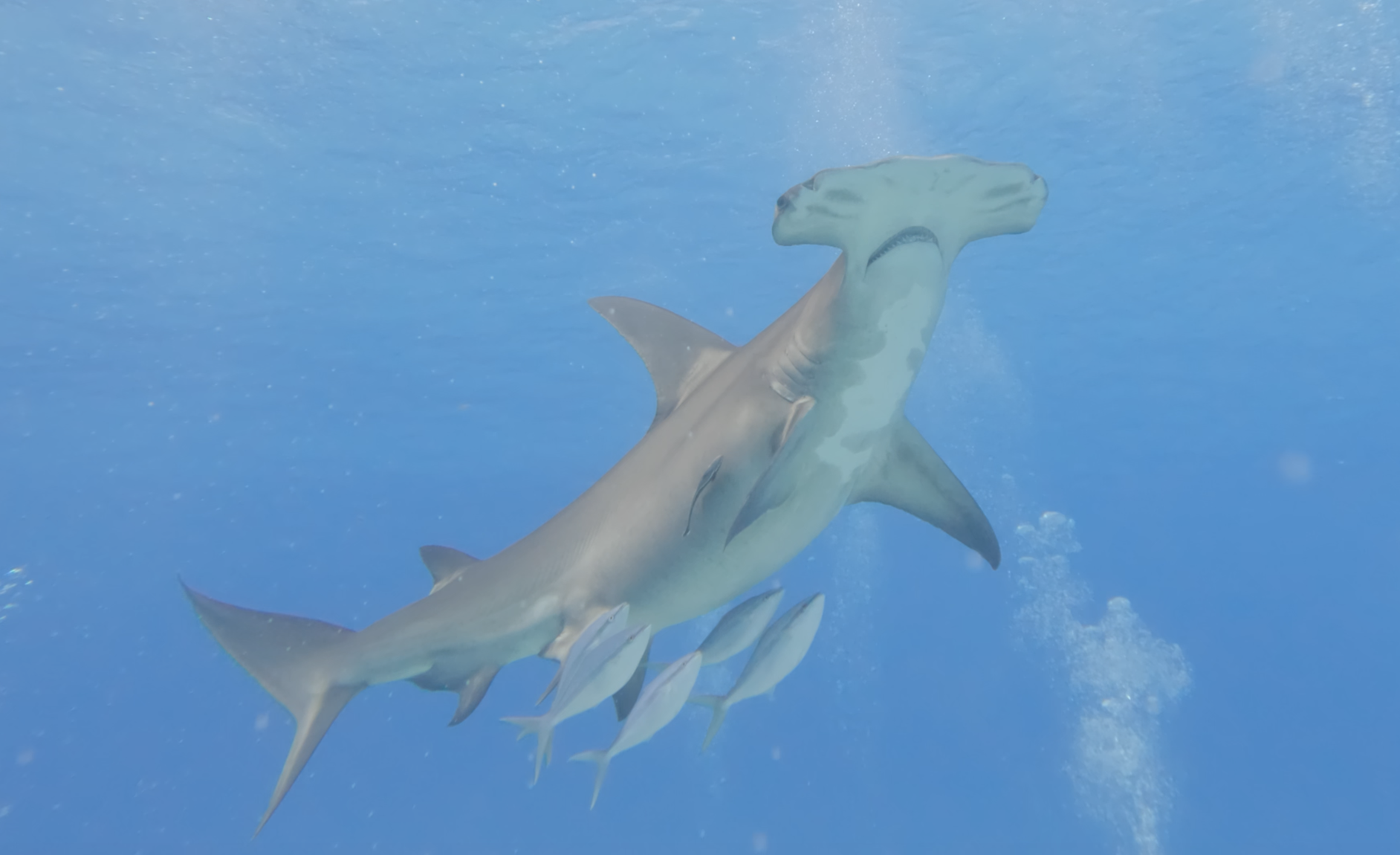
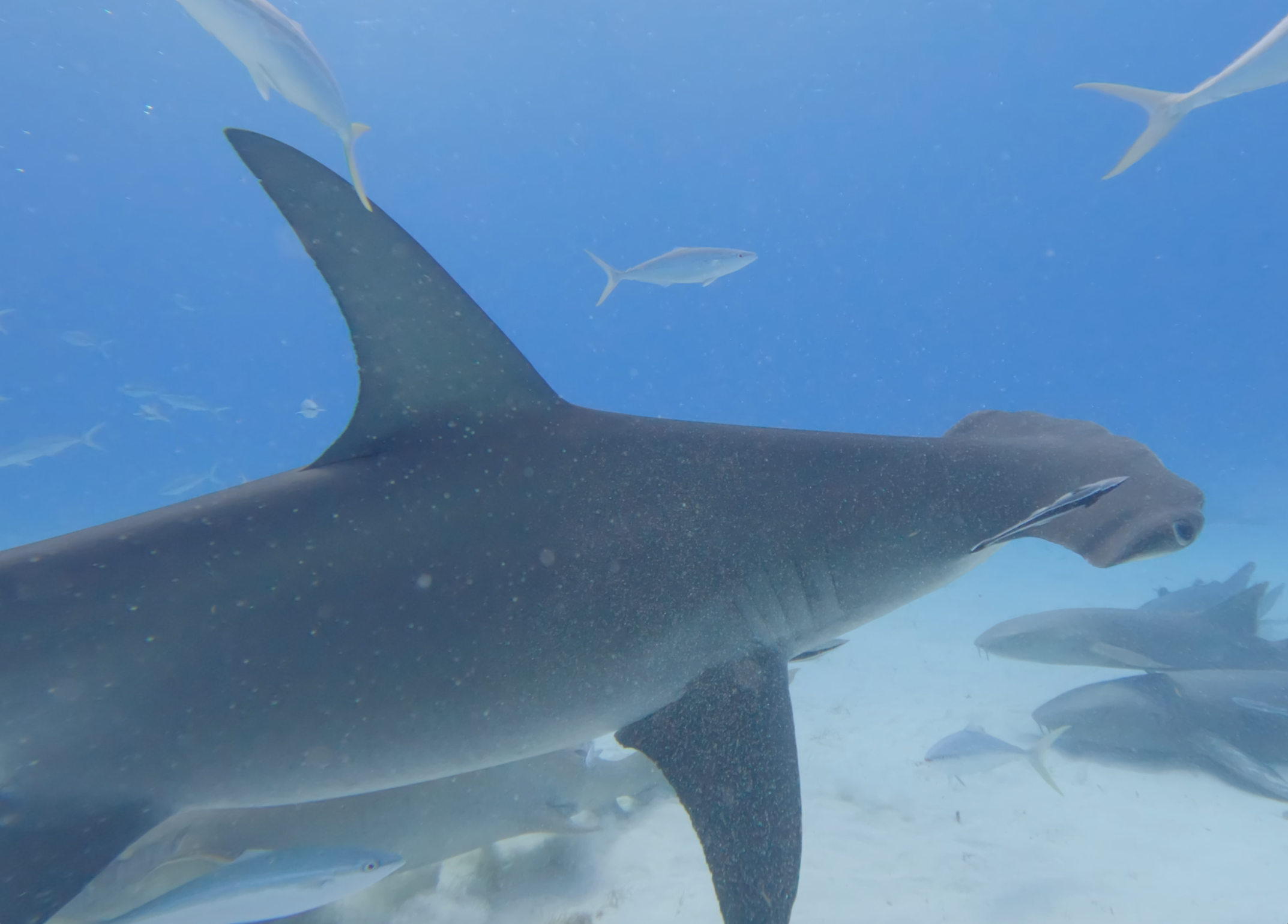
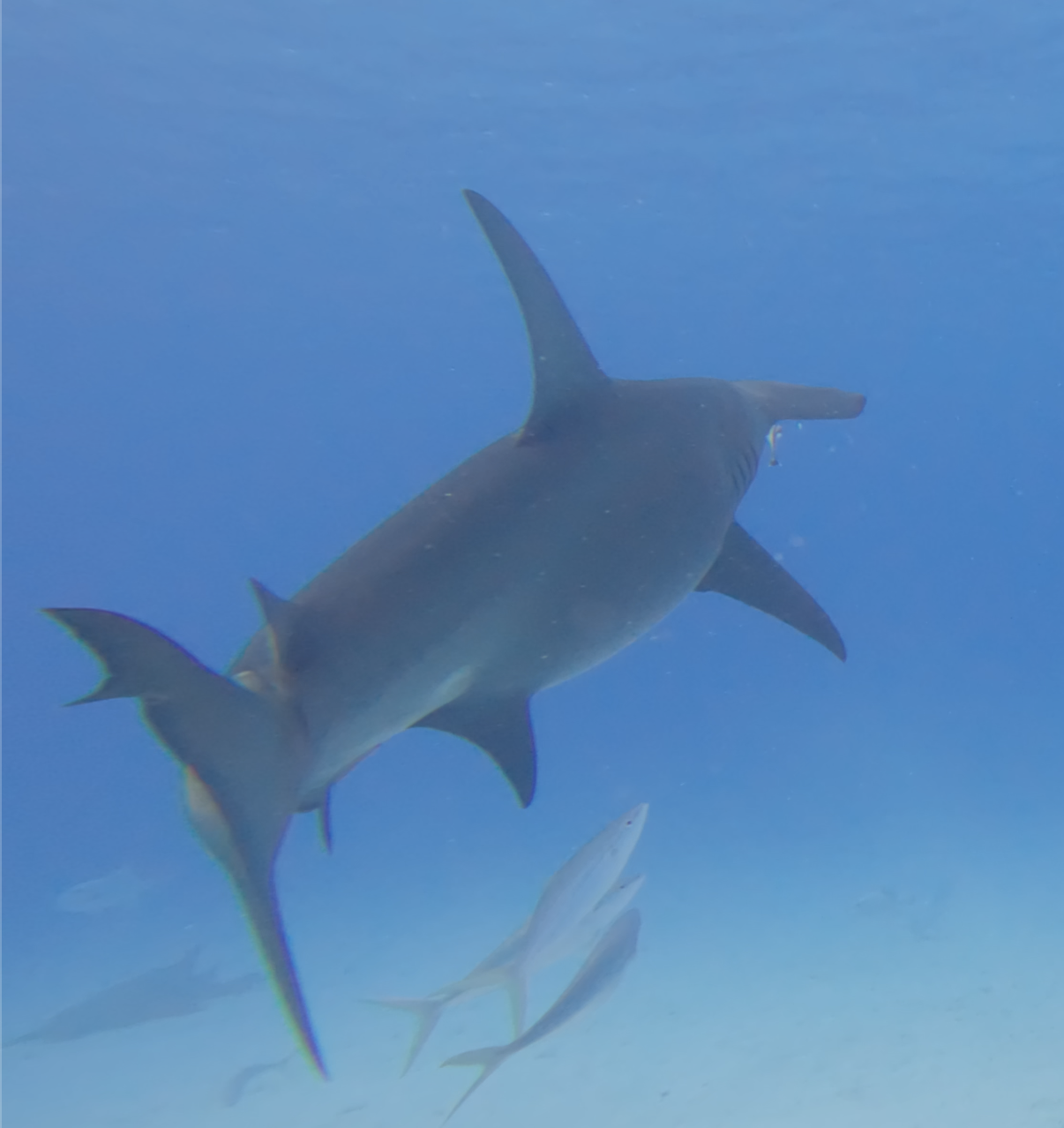
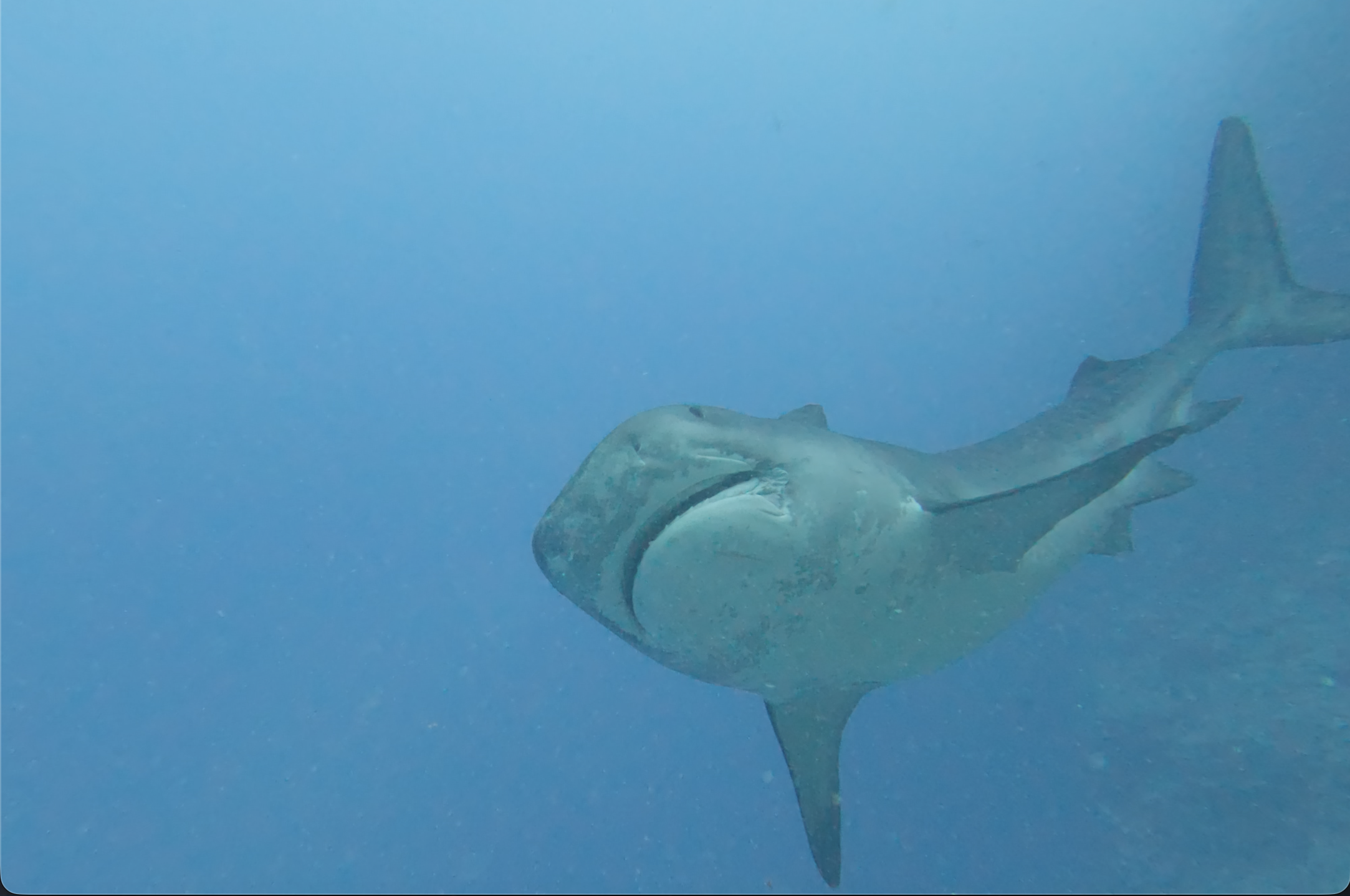
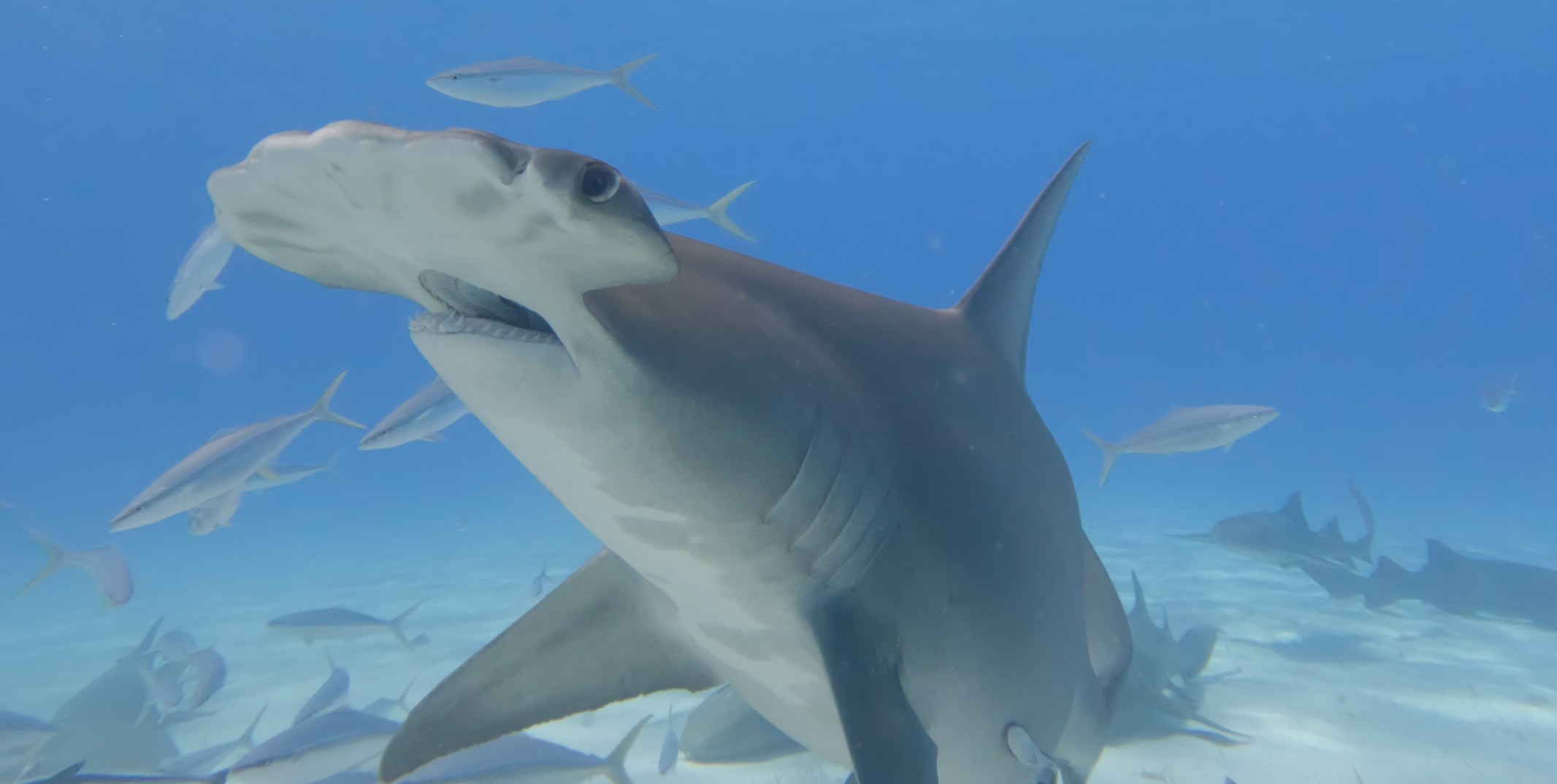
The Great Hammerhead Shark (Sphyrna mokarran) is among the most evolutionarily extraordinary and ecologically critical of all living elasmobranchs, and among the most imperilled. Listed as Critically Endangered on the IUCN Red List, global populations have declined by an estimated 80% over the past half-century, driven primarily by targeted fishing for the fin trade, longline bycatch, and the destruction of coastal nursery habitats. Their remarkable cephalofoil, the wide, flat, T-shaped head that gives the hammerhead its name, is not merely iconic but functionally extraordinary: a densely packed array of ampullae of Lorenzini, the electroreceptive organs that allow the shark to detect the bioelectric fields of prey buried centimetres beneath the seafloor. The cephalofoil also provides exceptional hydrodynamic lift and may function in prey pinning. Stingray spine wounds on the mouths of Great Hammerheads are a testament to the fearlessness with which they pursue elasmobranchs that would deter any other predator.
The shallow sandflats surrounding Bimini in the western Bahamas represent one of the world's most significant seasonal aggregation sites for this species. During winter months, Great Hammerheads congregate in these warm, clear, sandy shallows, drawn by prey availability and, researchers believe, by the social and possibly reproductive dynamics that remain poorly understood for this largely solitary species. The Bahamas has established itself as a global model for shark conservation policy: shark fishing has been prohibited in Bahamian waters since 2011, and the country's shark-focused dive tourism industry generates tens of millions of dollars annually, providing one of the most compelling economic arguments anywhere in the world that living sharks are worth incomparably more than dead ones.
These encounters were conducted in open water alongside dense schools of jacks and baitfish that characterise Bimini's productive benthic environment. To be in the water with a Great Hammerhead, watching an animal that has existed largely unchanged for over 450 million years move through its environment with effortless precision, is to understand viscerally why their protection matters. They are the architects of healthy ocean ecosystems, and their disappearance would reverberate through marine food webs in ways we are only beginning to quantify. We cannot afford to lose them.
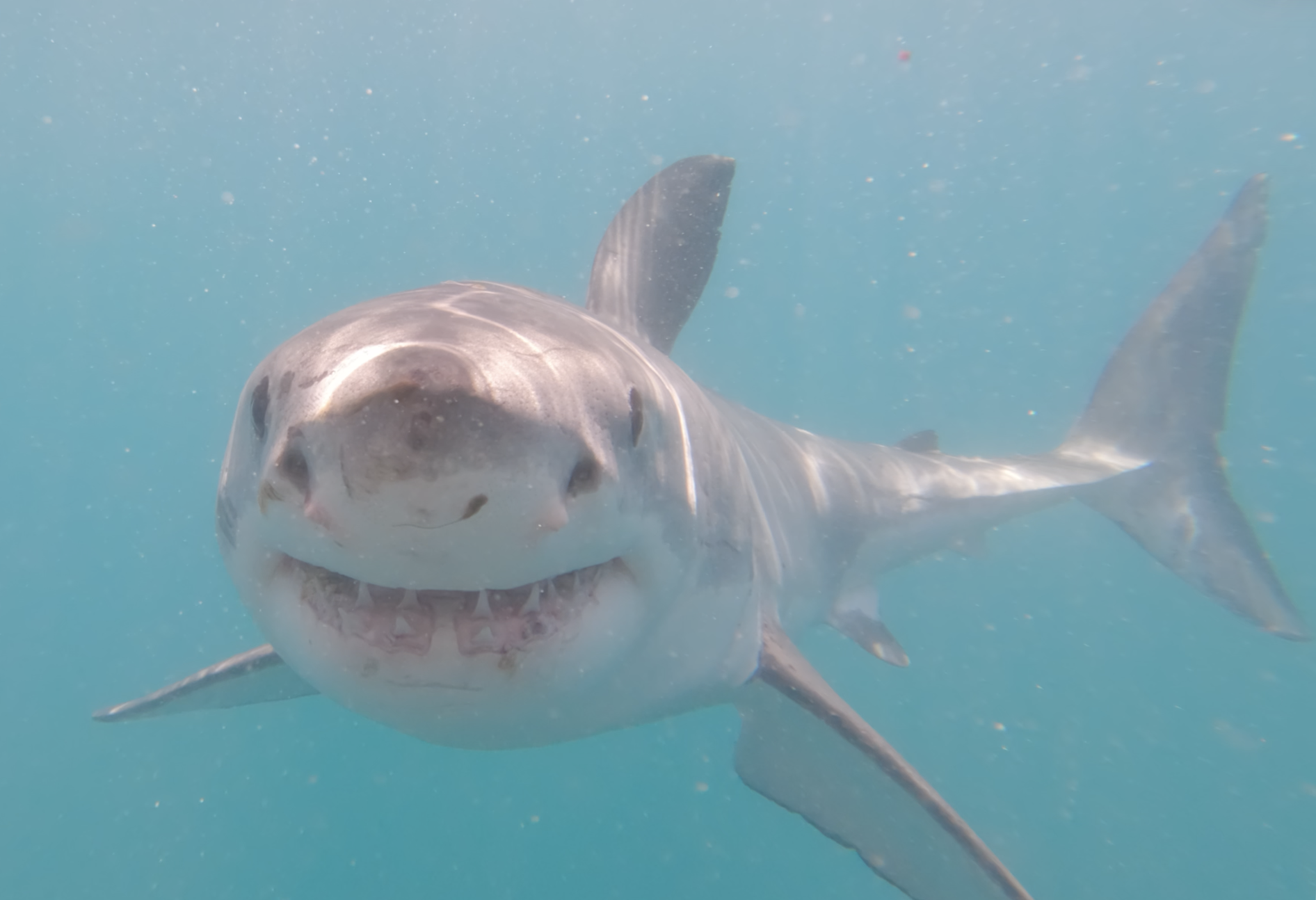
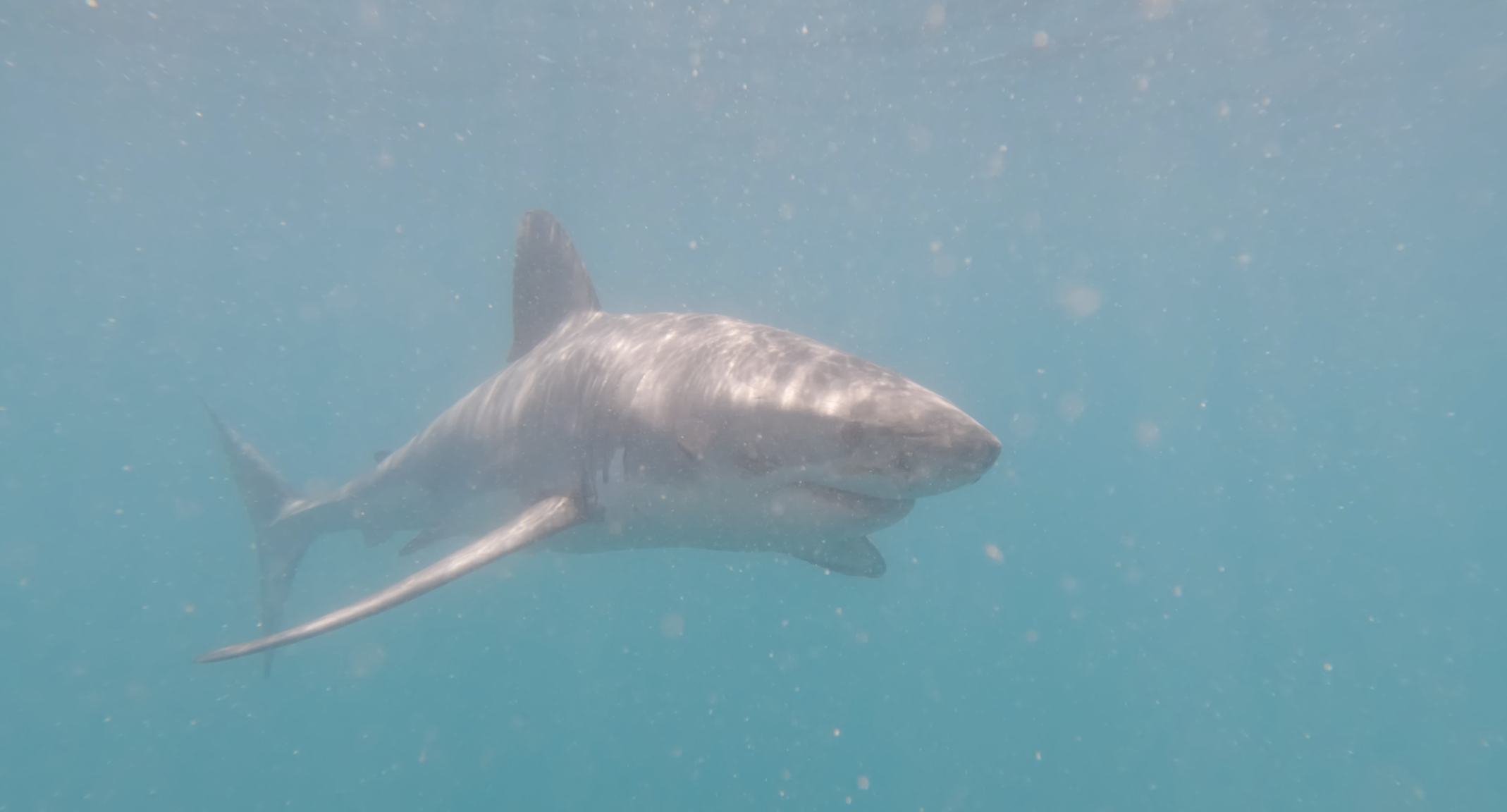
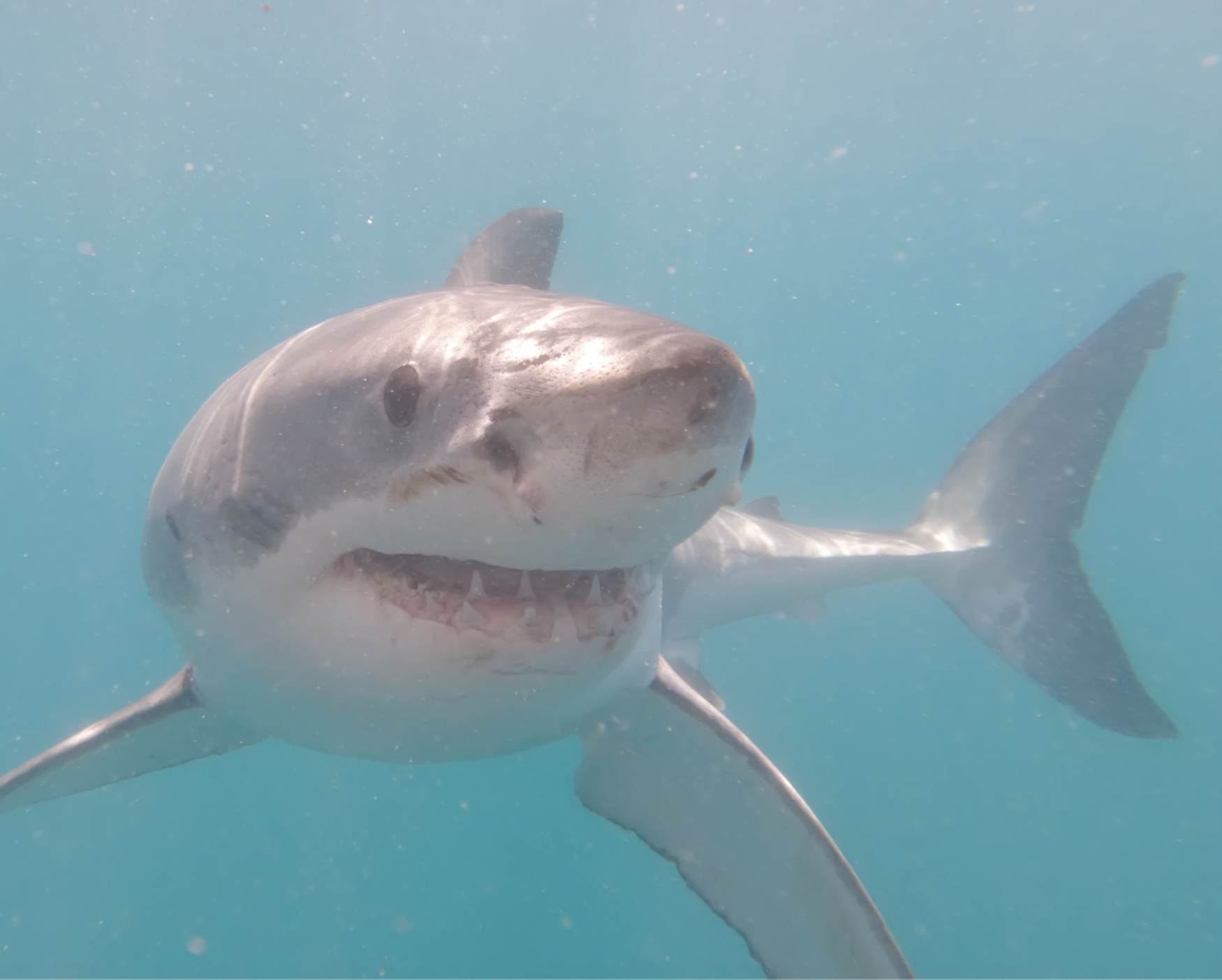
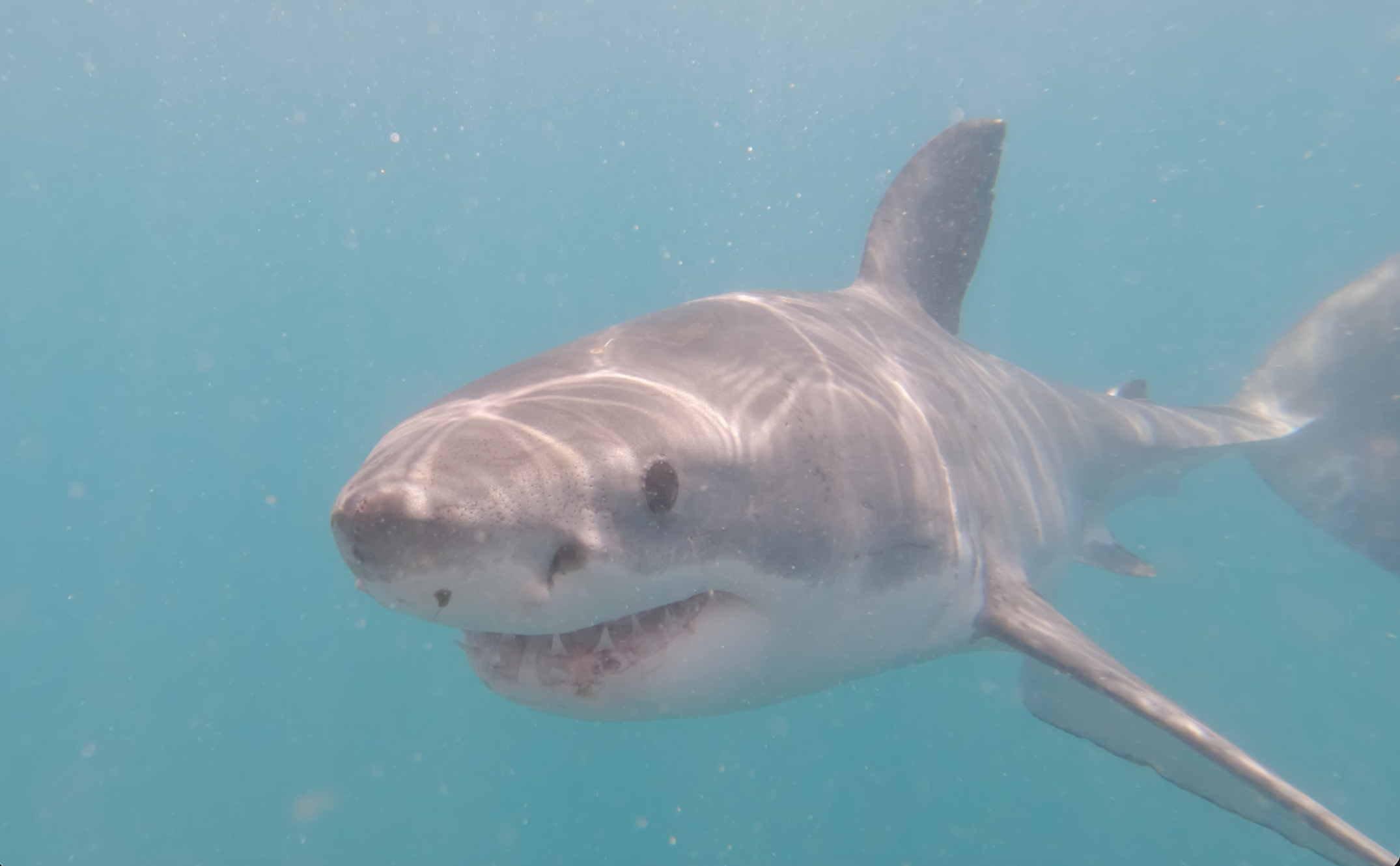
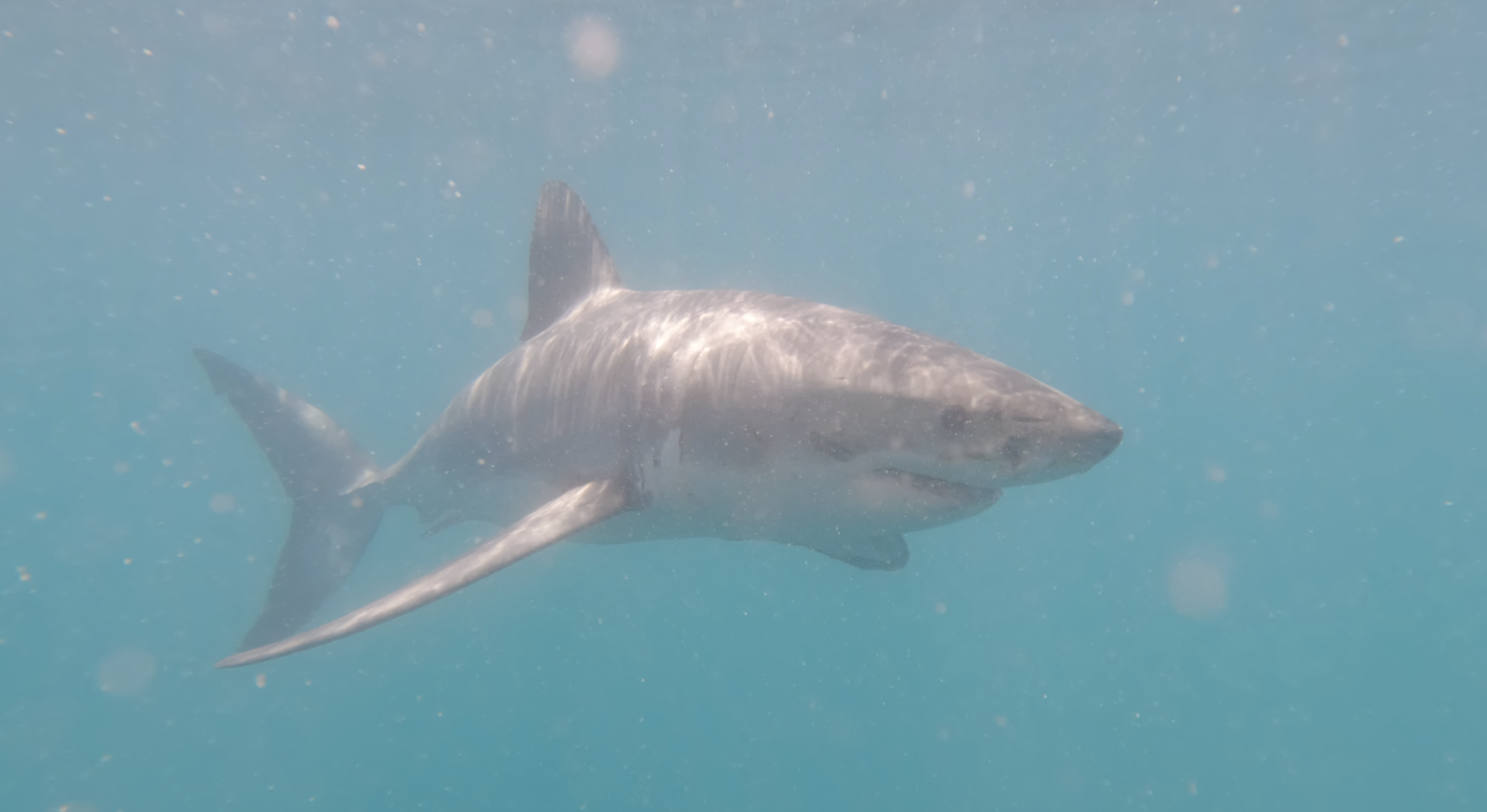
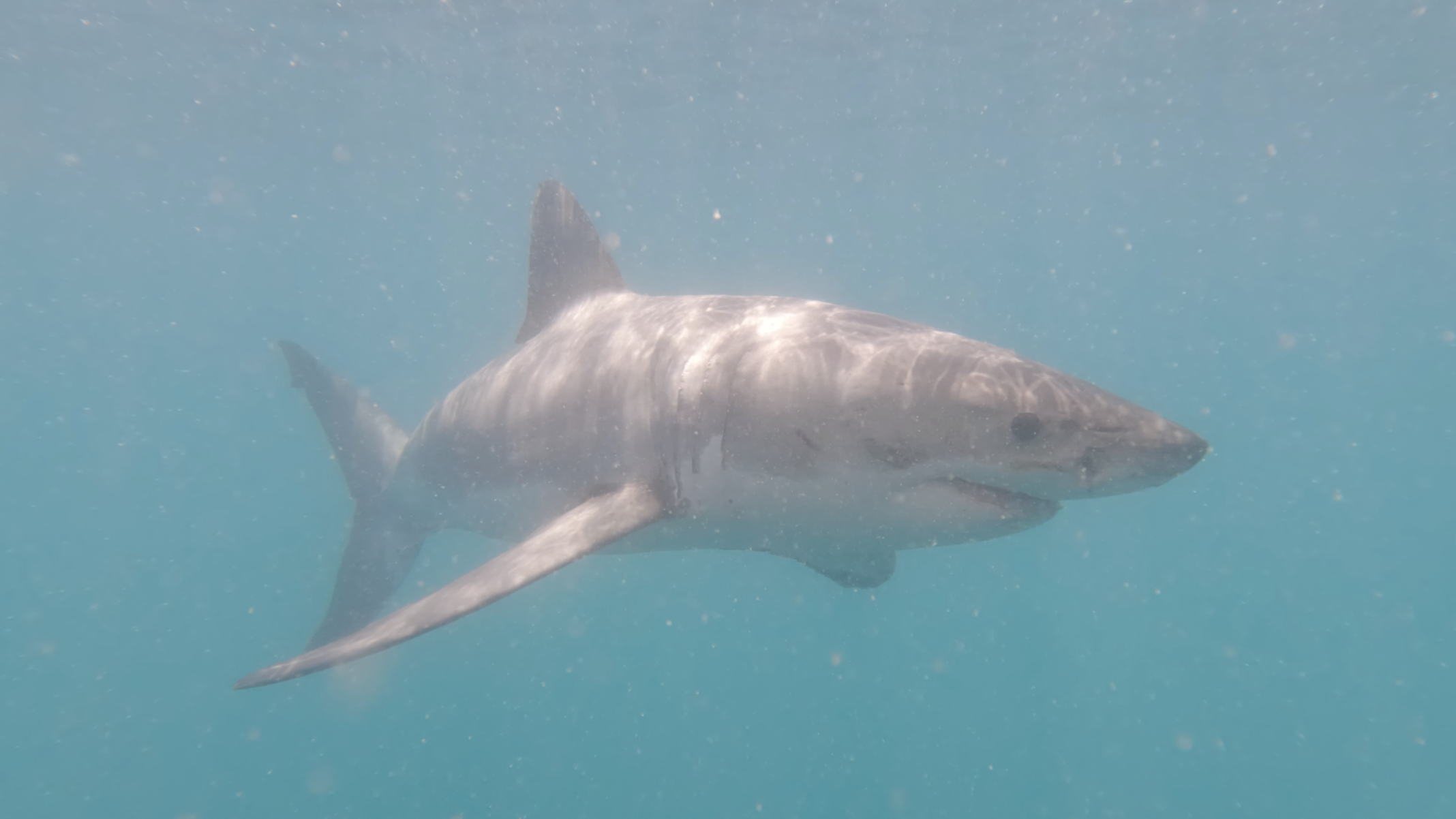
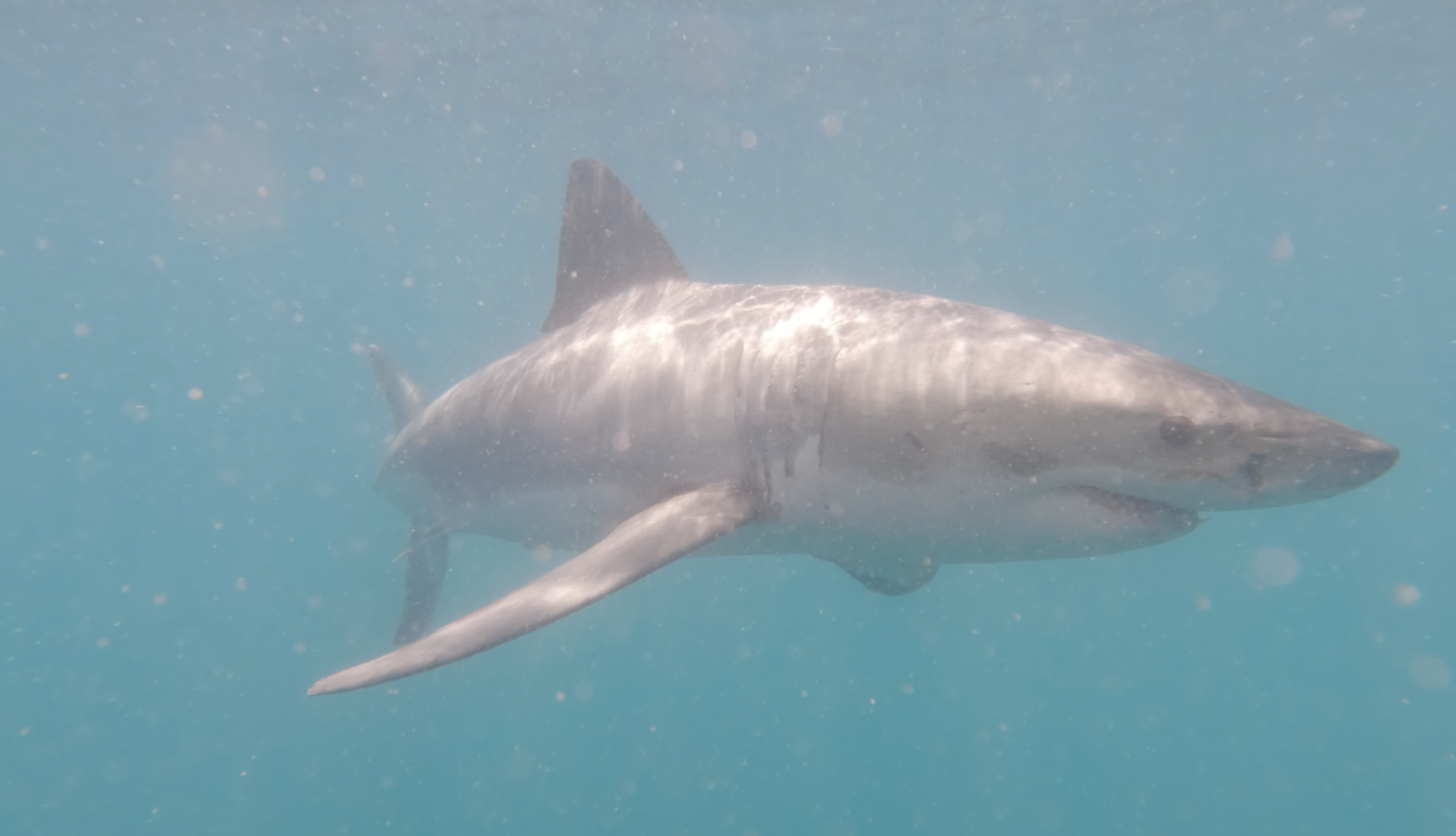
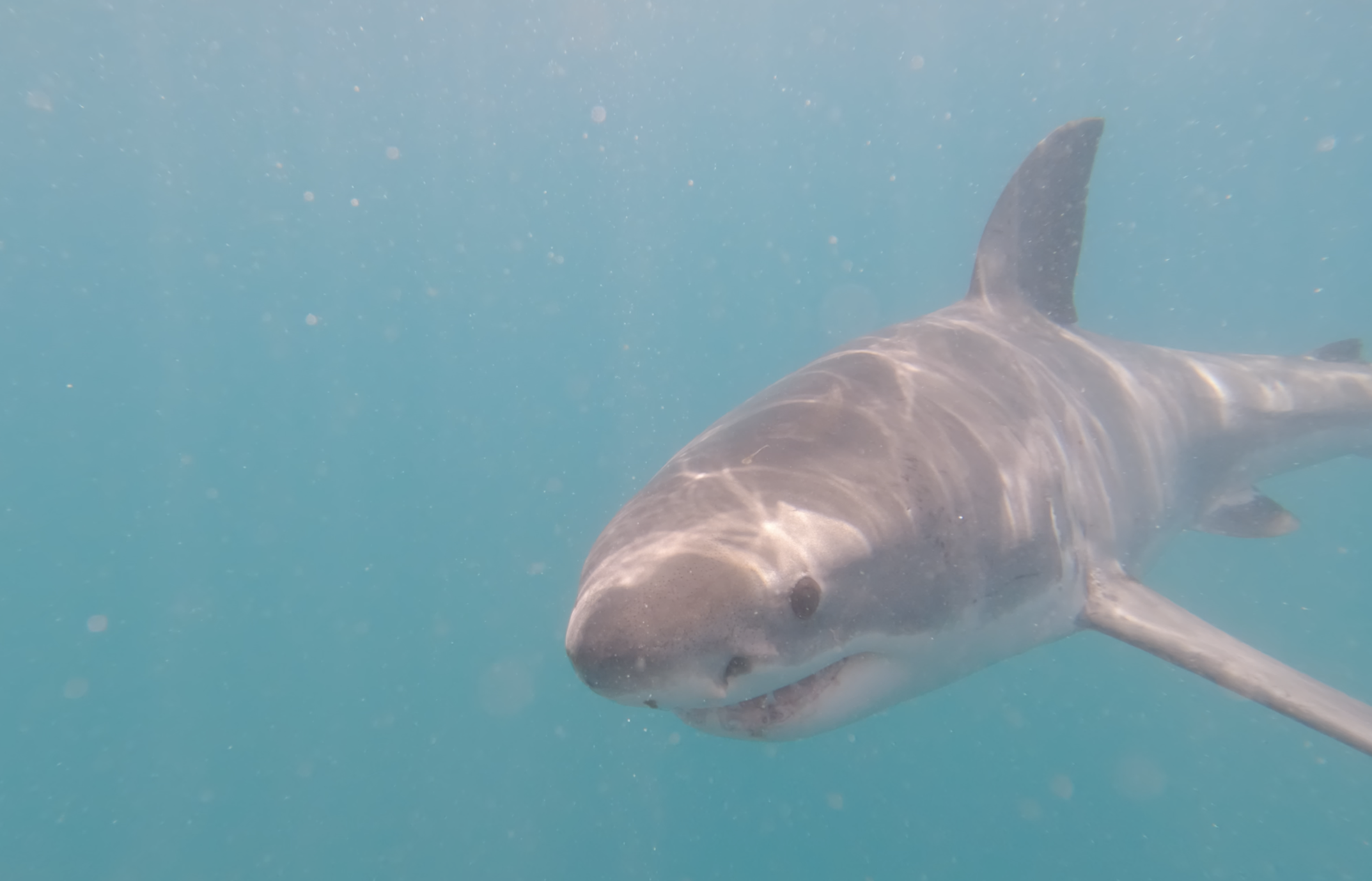
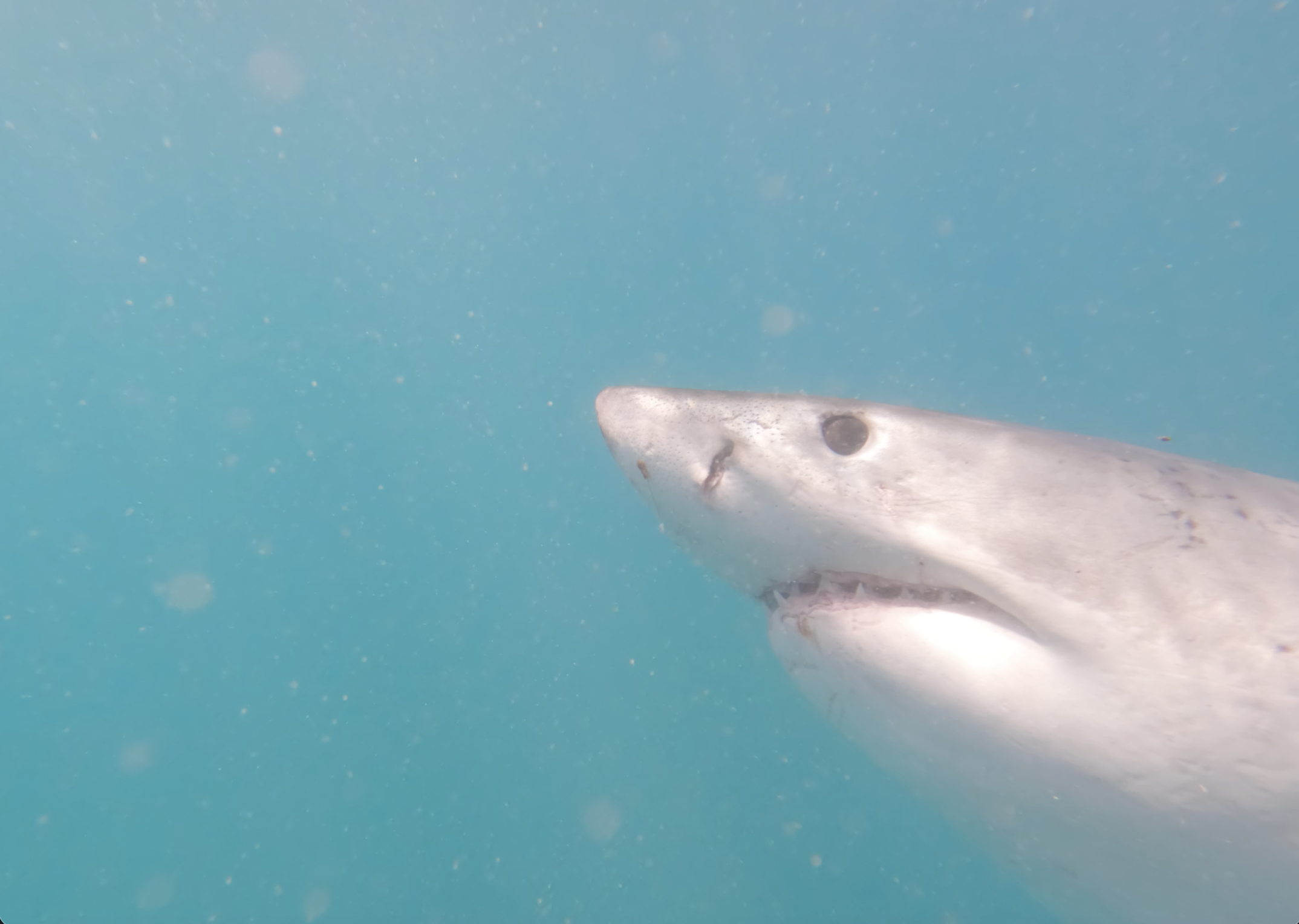
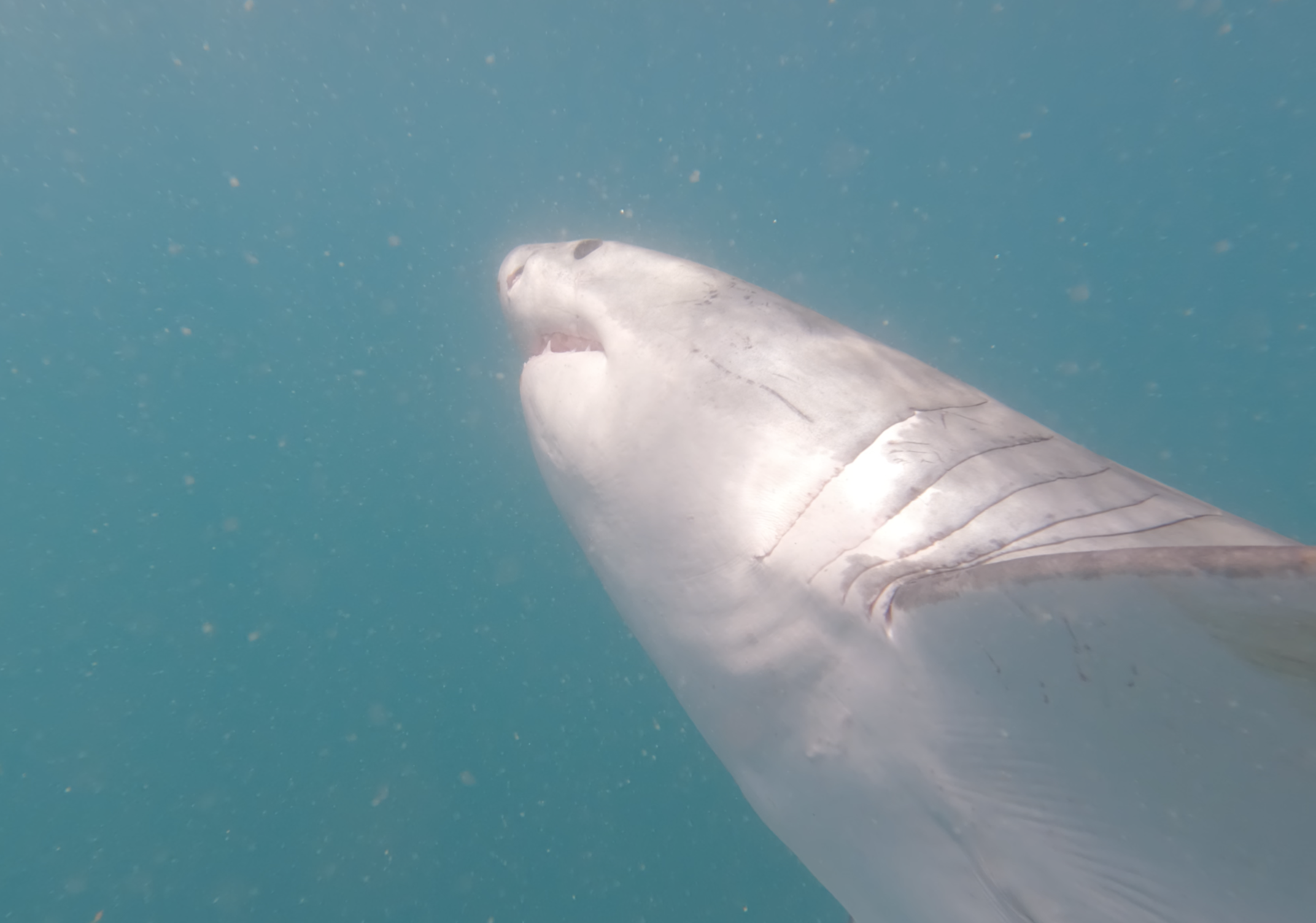
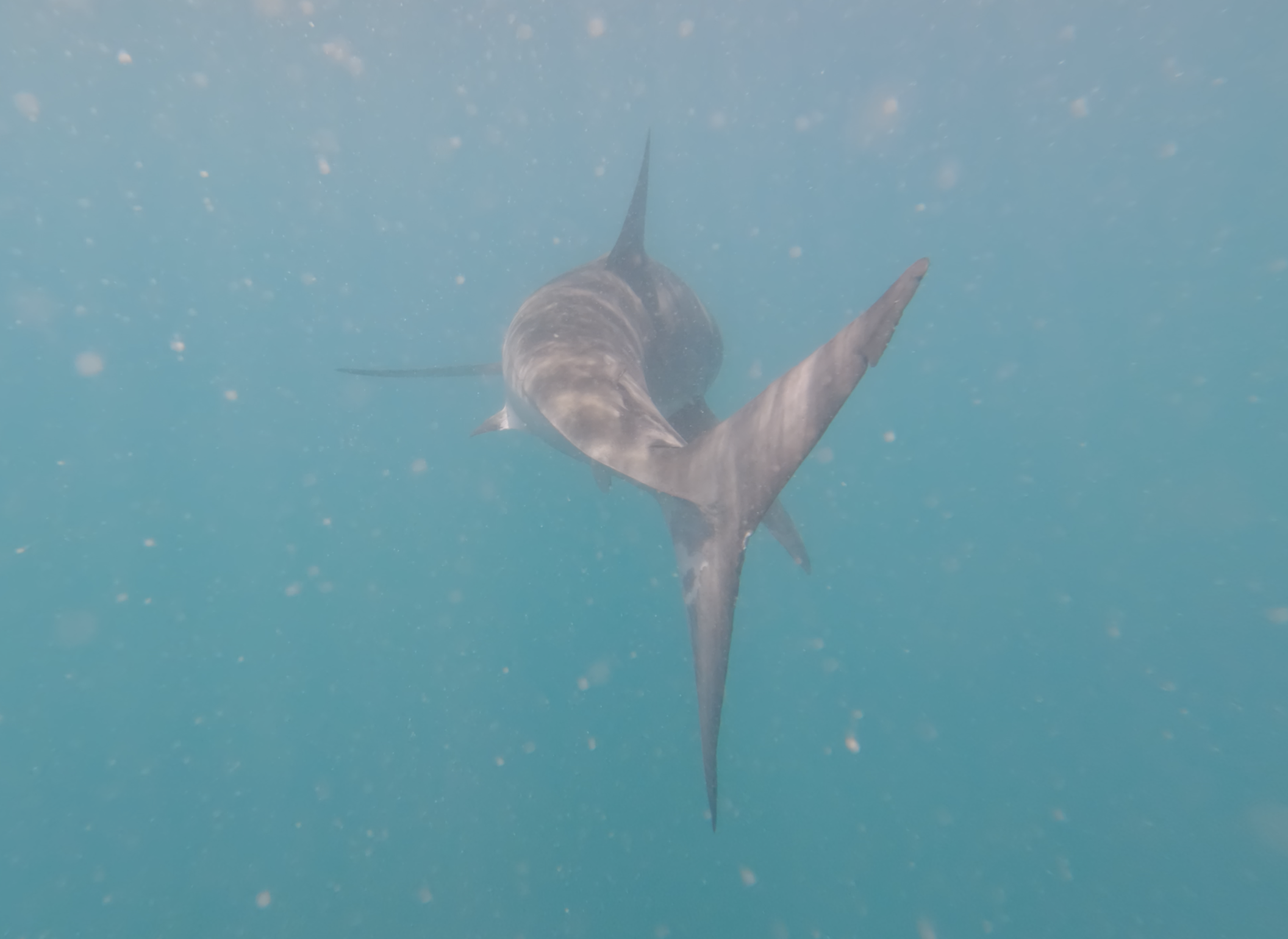
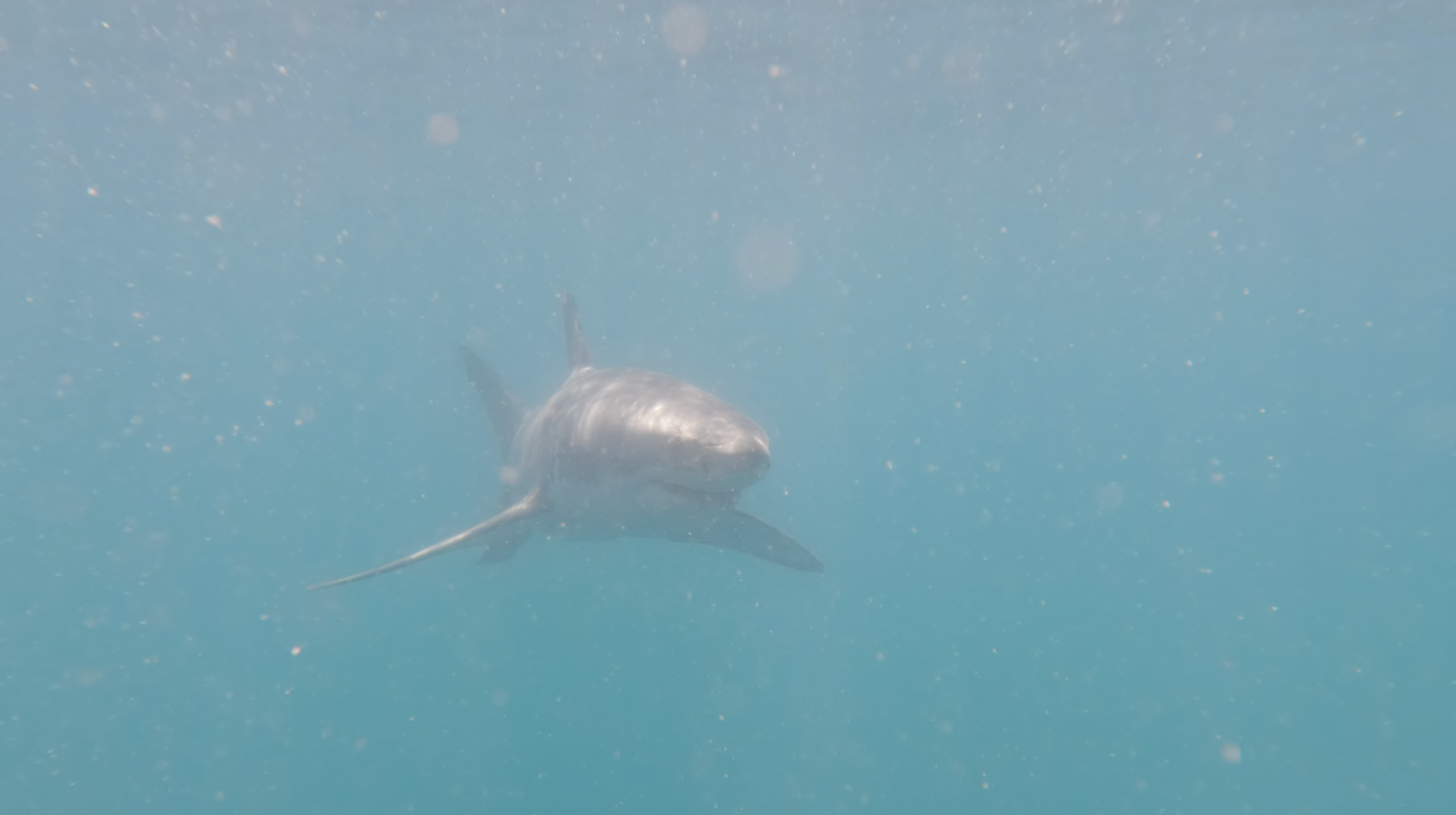
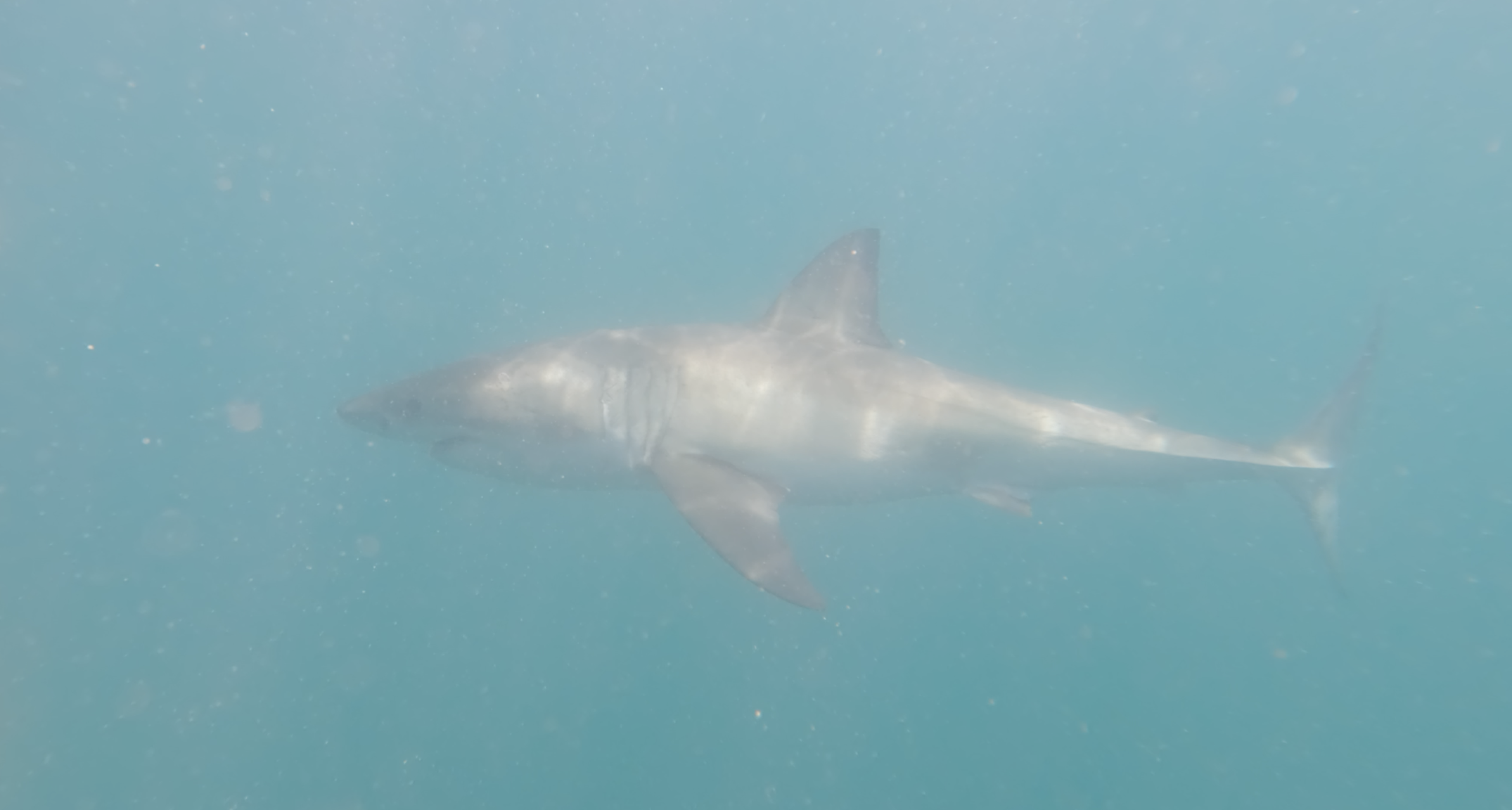
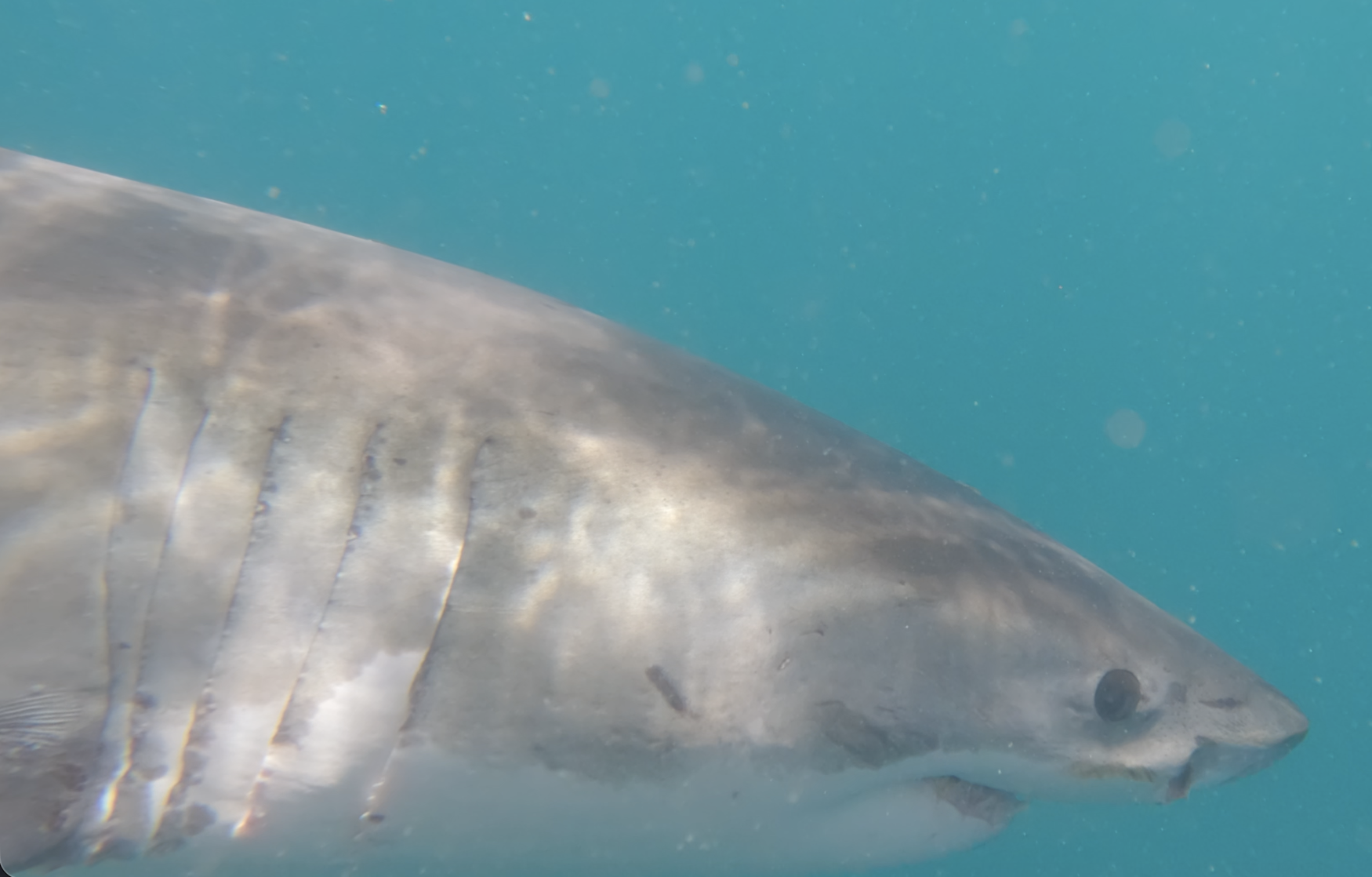
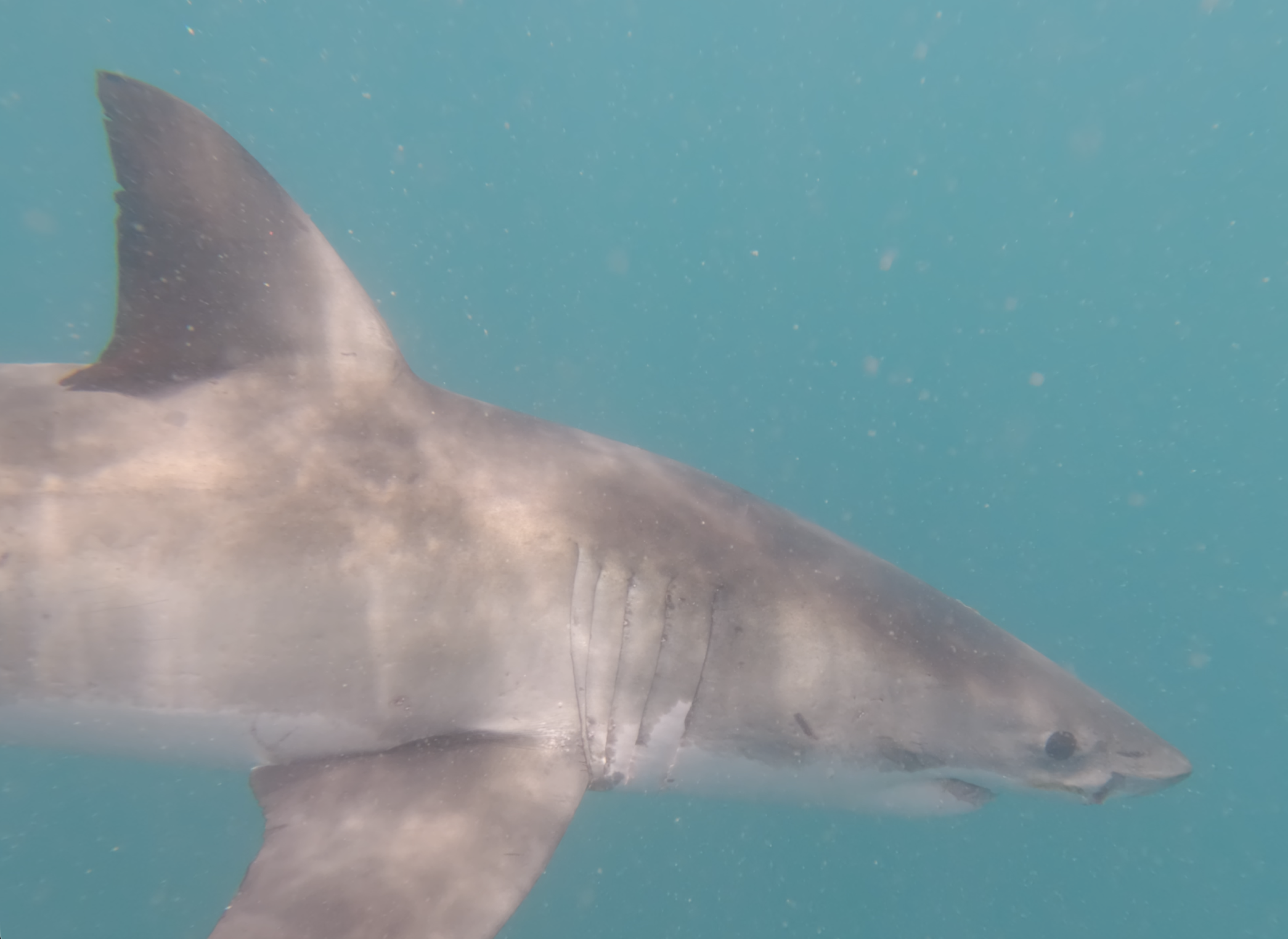
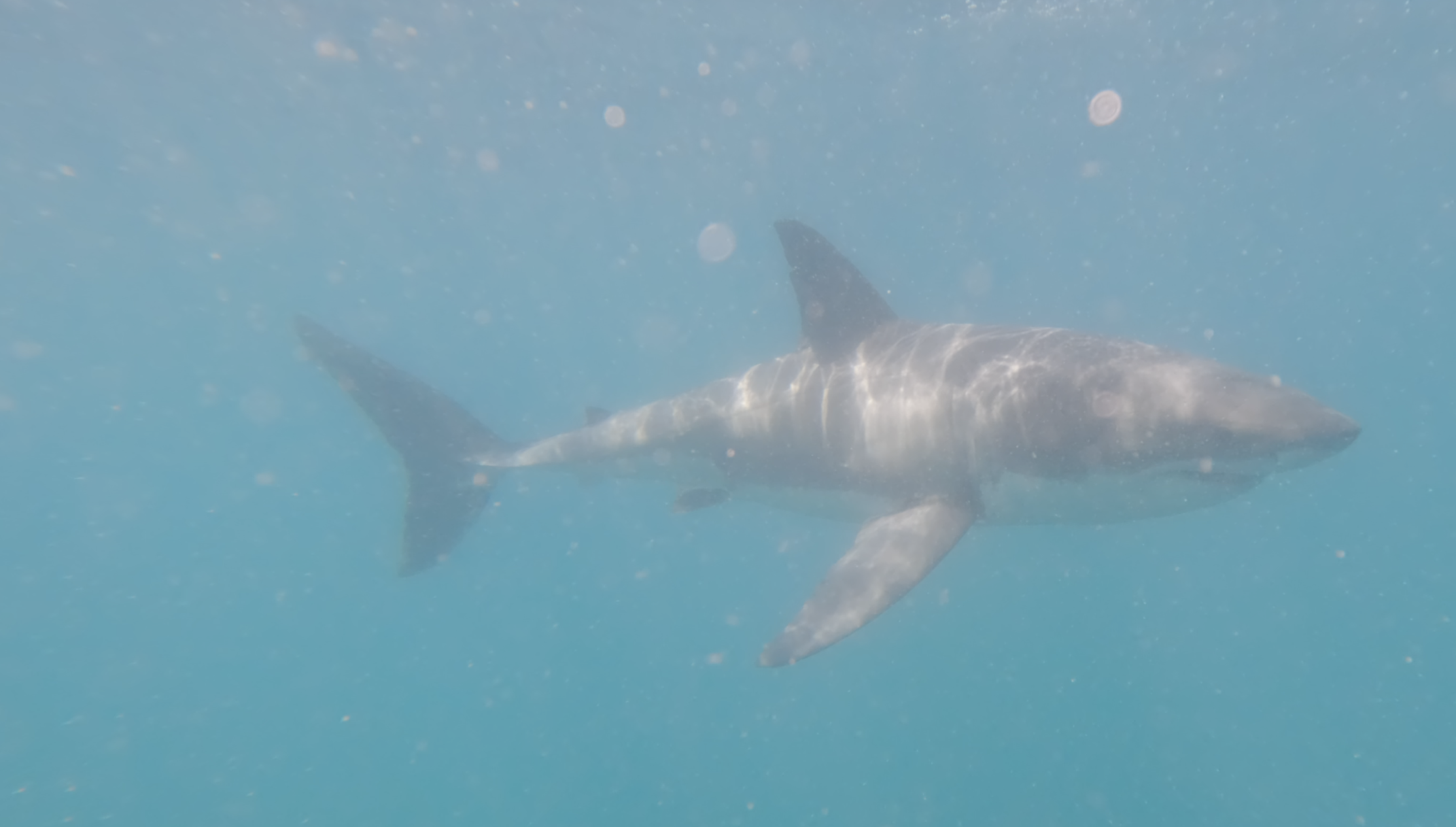
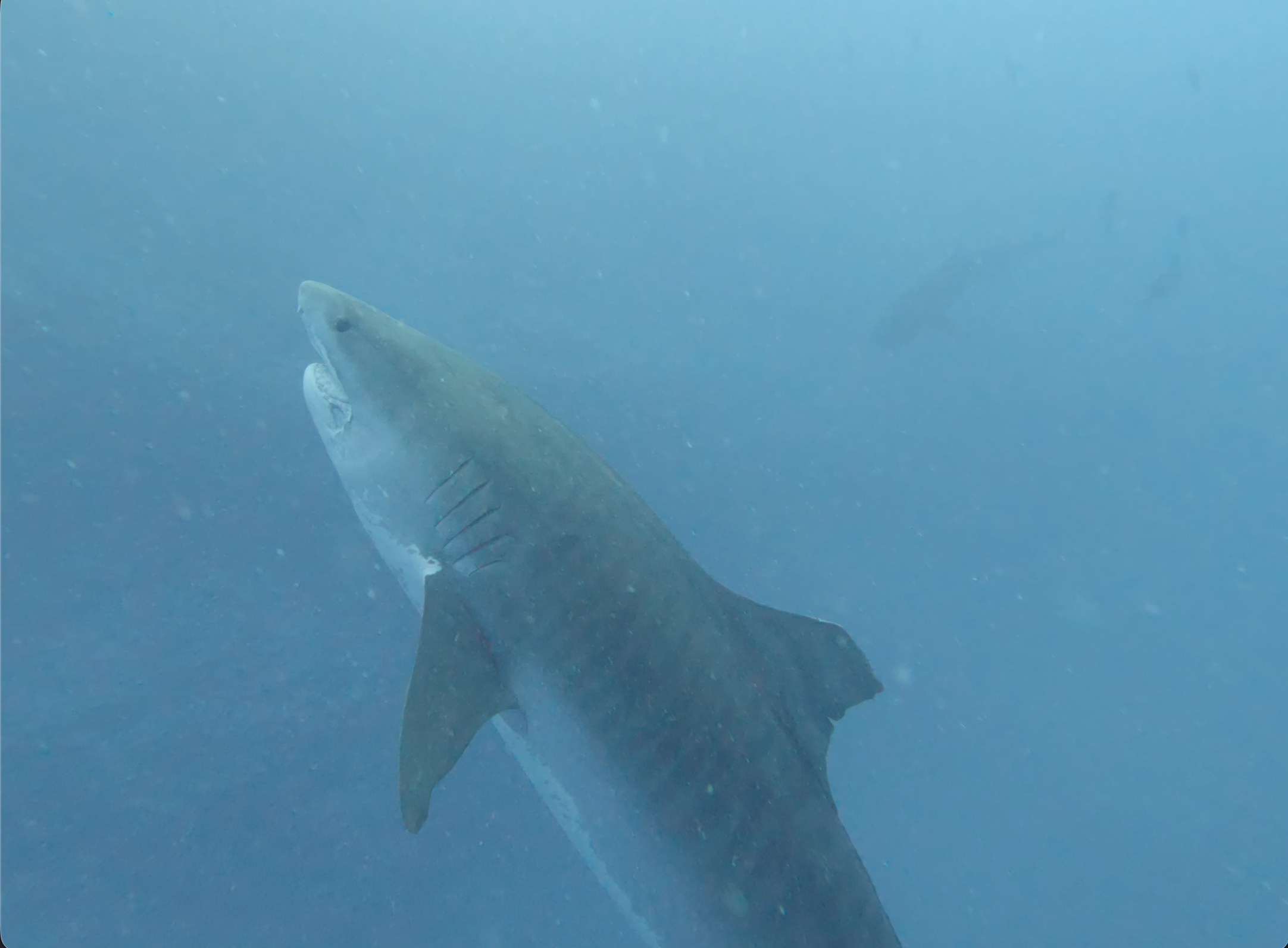
Mossel Bay, situated along South Africa's Garden Route on the shores of the Agulhas Bank, is one of the most important Great White Shark (Carcharodon carcharias) aggregation sites in the world. The cold, nutrient-dense waters of the Eastern Cape, driven by the upwelling of sub-Antarctic water masses where the Indian and Atlantic Oceans meet, supports a productive marine ecosystem that sustains Cape Fur Seal colonies on offshore islands, and the resident population of White Sharks that have evolved to hunt them. Individuals encountered here are typically large, mature animals, females capable of exceeding 5 to 6 metres in length, representing some of the most ancient and ecologically important individuals in the population. These are not young, exploratory animals. They are apex predators refined over 400 million years of evolutionary history.
The White Shark occupies a unique position in the public imagination, simultaneously the most feared and, increasingly, the most championed of all marine predators. Scientifically, the case for their protection is unambiguous: as obligate apex predators, White Sharks regulate mesopredator populations, structure prey behaviour across vast areas of coastal ocean, and contribute to the trophic dynamics that maintain the productivity of marine ecosystems upon which human communities depend. Their removal triggers measurable cascading effects through food webs. These effects are rarely reversible on any timescale relevant to human conservation efforts. Listed as Vulnerable on the IUCN Red List, with population estimates suggesting fewer than 3,500 mature individuals remain globally, the White Shark faces pressure from directed fishing, longline bycatch, the ongoing persecution of individuals near popular beaches, and the broader degradation of the coastal marine ecosystems they inhabit.
Mossel Bay itself has emerged as a critical site for White Shark research and photographic identification. The distinctive pigmentation patterns and fin morphology of individuals allow scientists to track specific animals over years and decades, building population models and behavioural databases that are slowly filling the gaps in our knowledge of this poorly understood species. To encounter a White Shark in open water, watching it move through its environment with the effortless authority of a species that has no natural predators, is a scientific and existential privilege. These photographs were taken in free-swimming encounters at close range, documenting behaviour, morphology, and individual movement in one of the few places on Earth where this remains reliably possible.
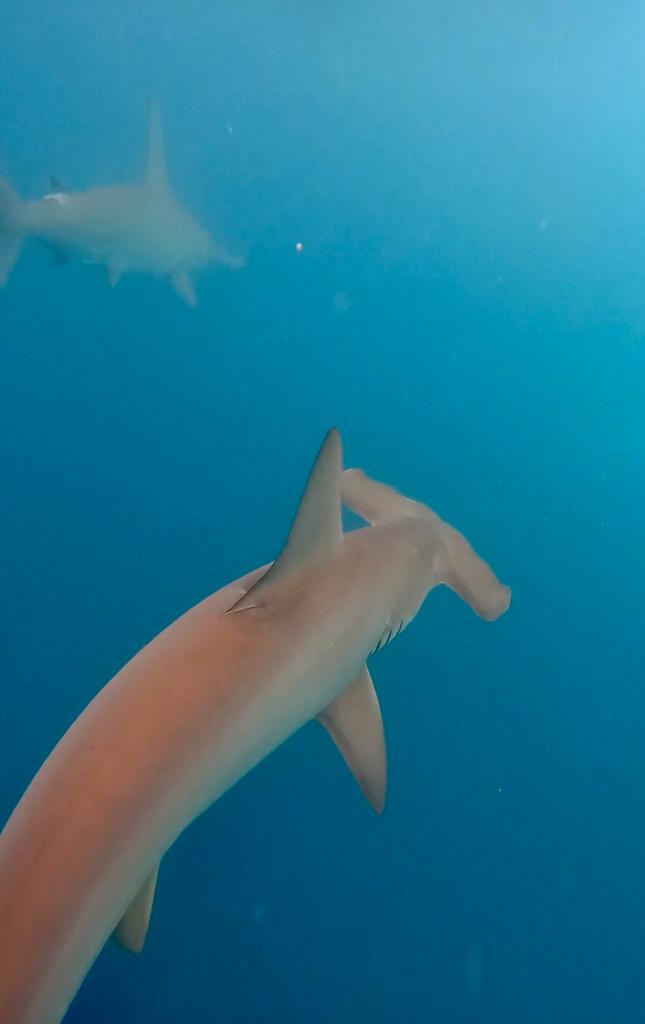
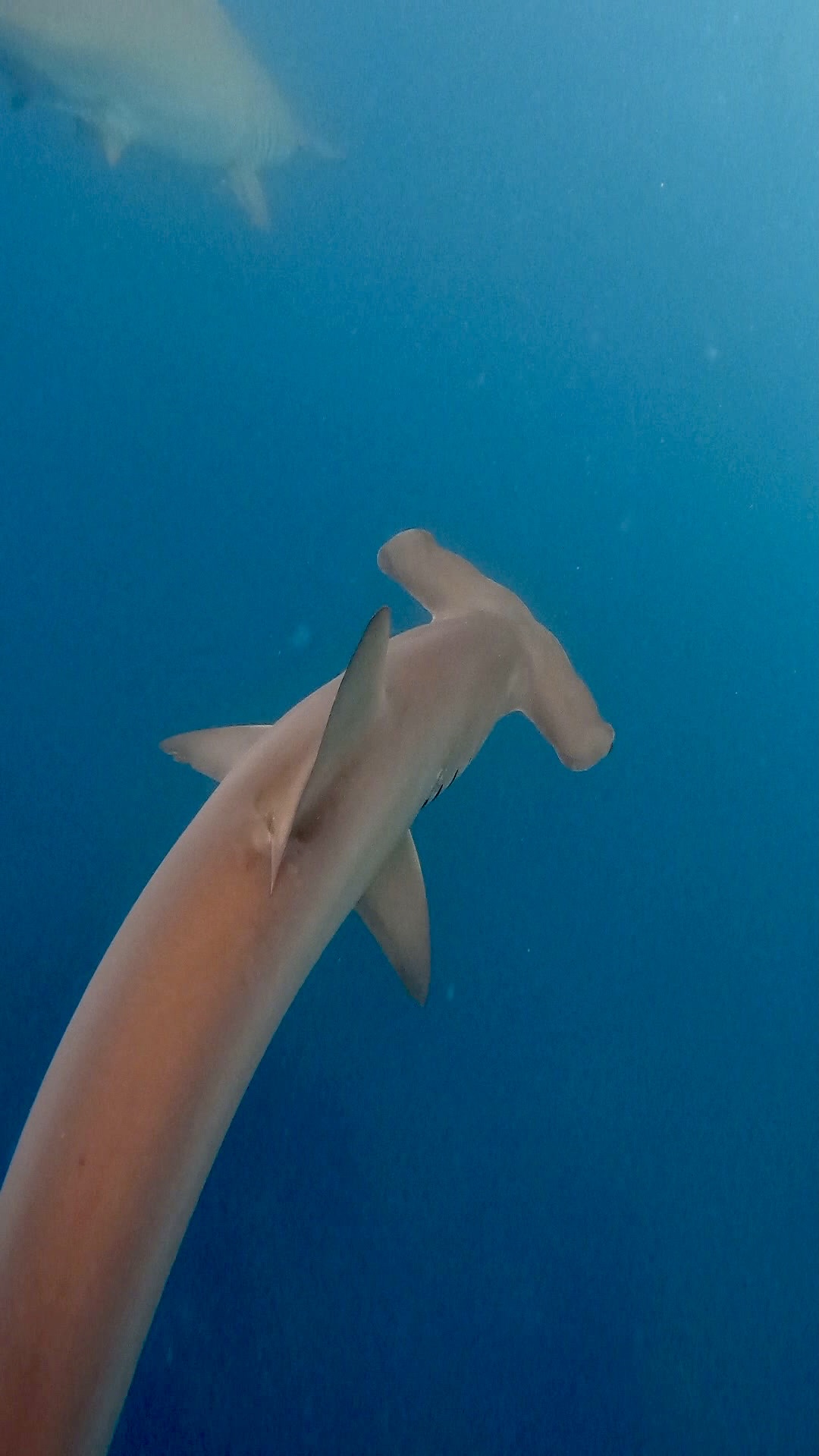
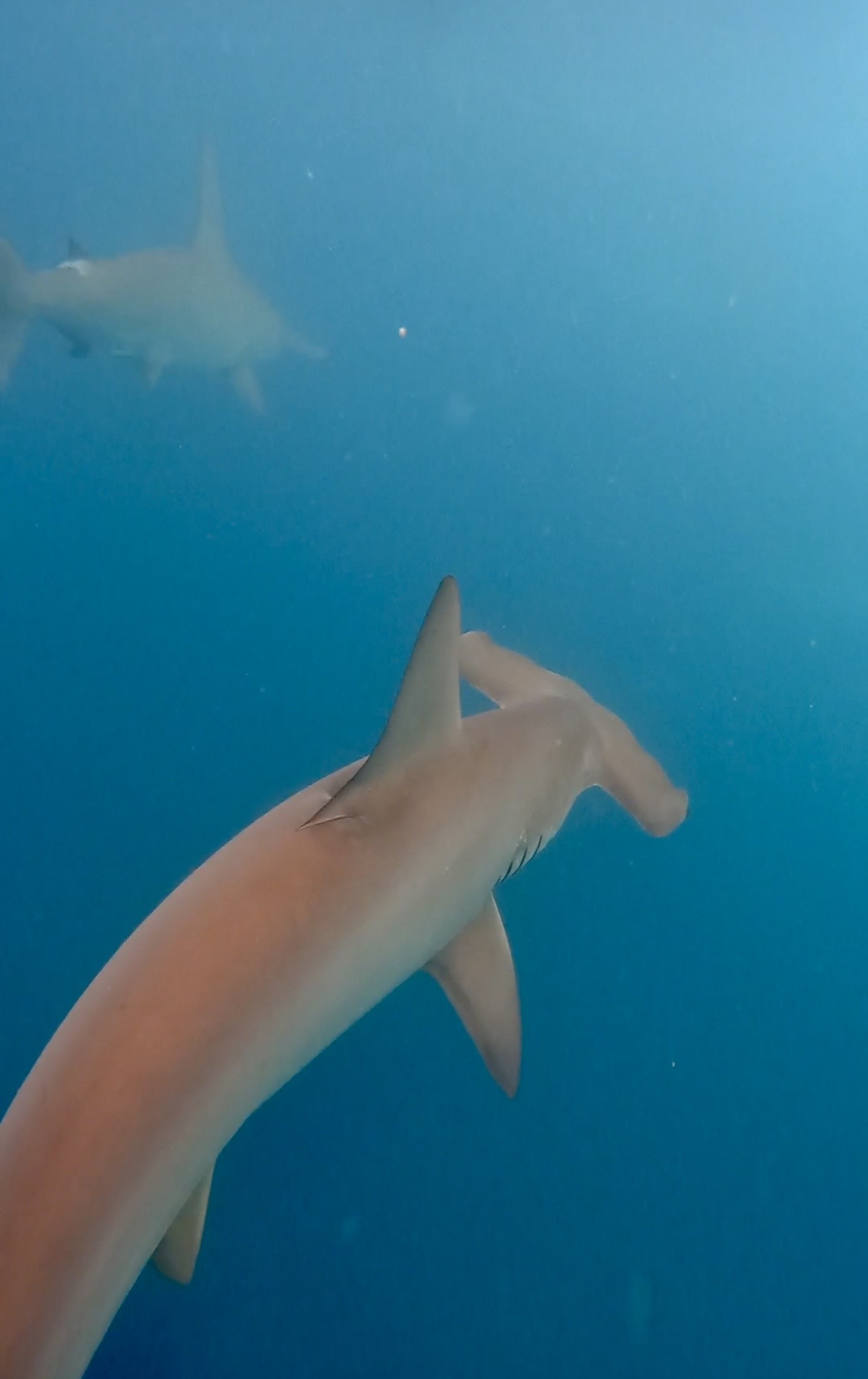
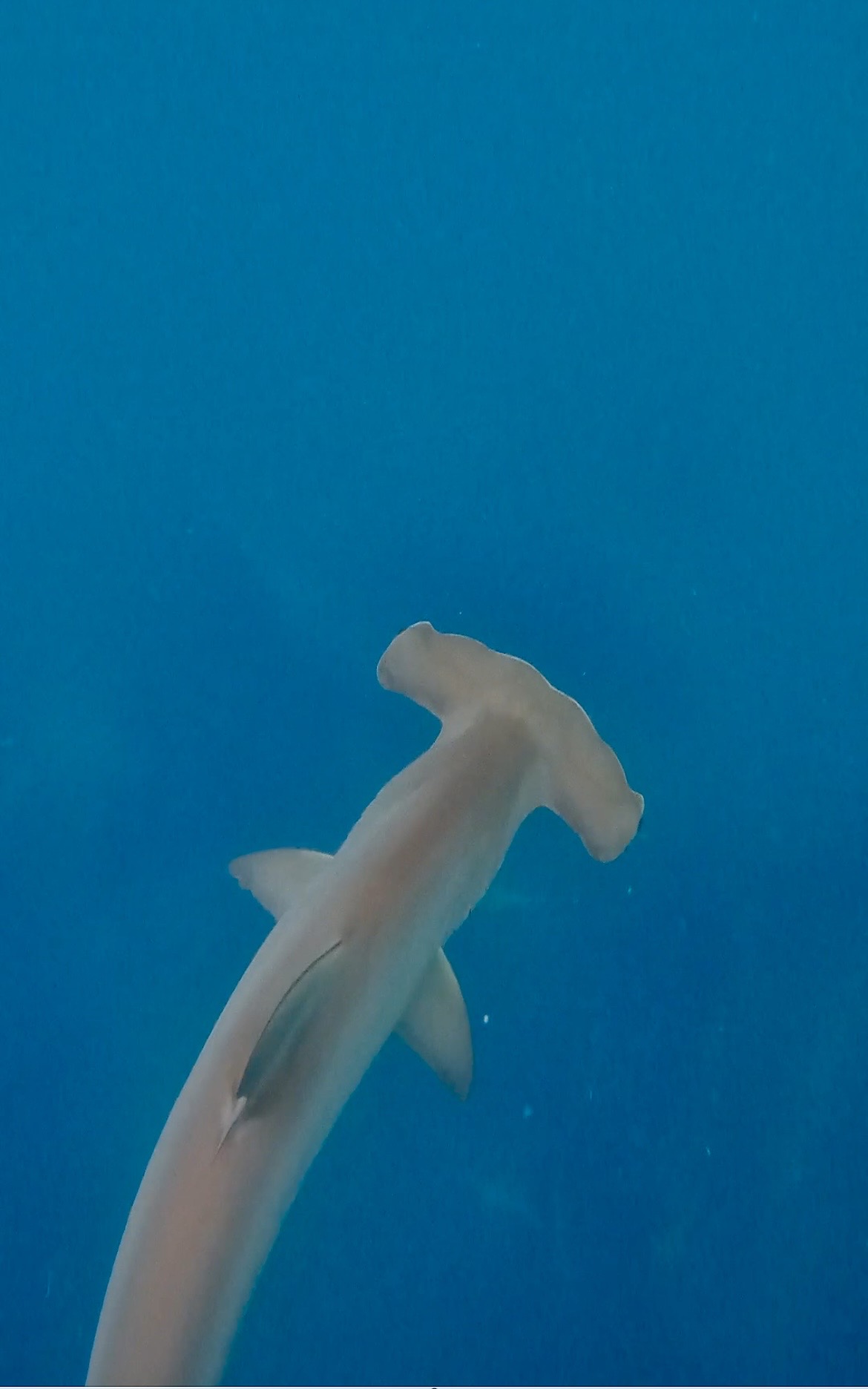
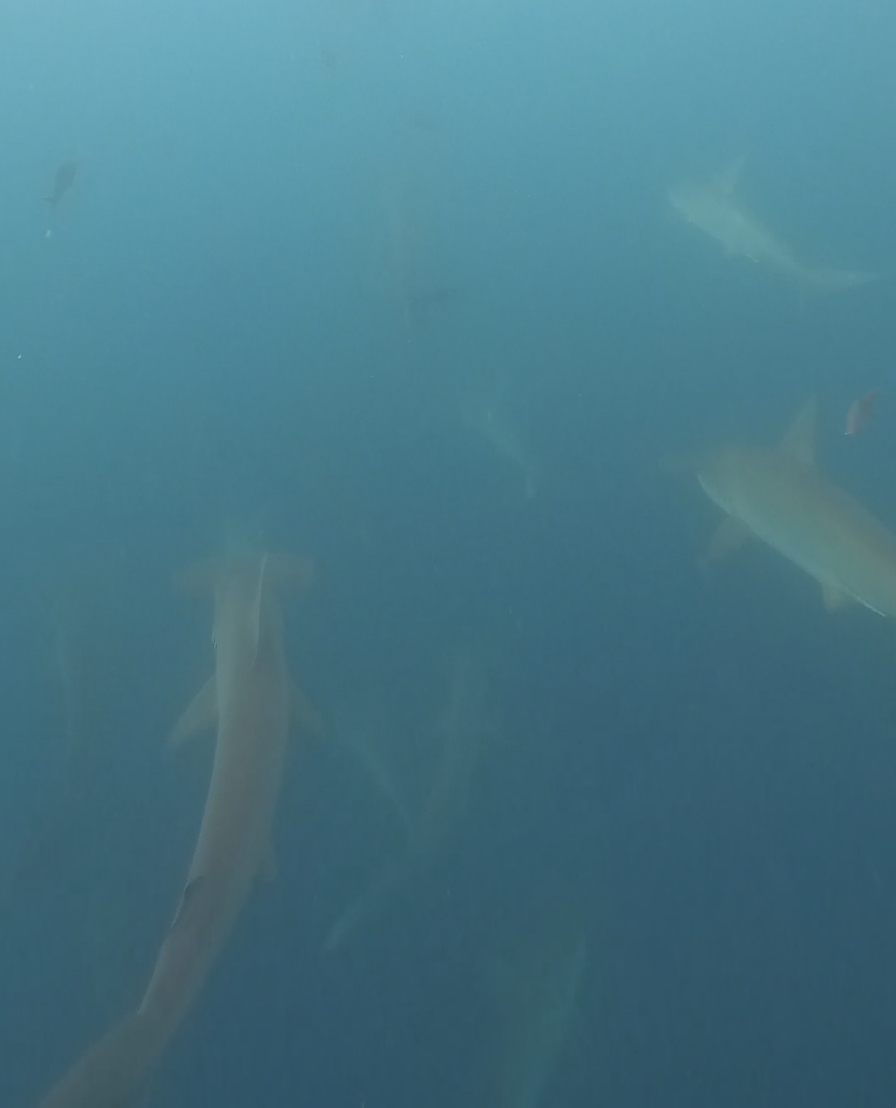
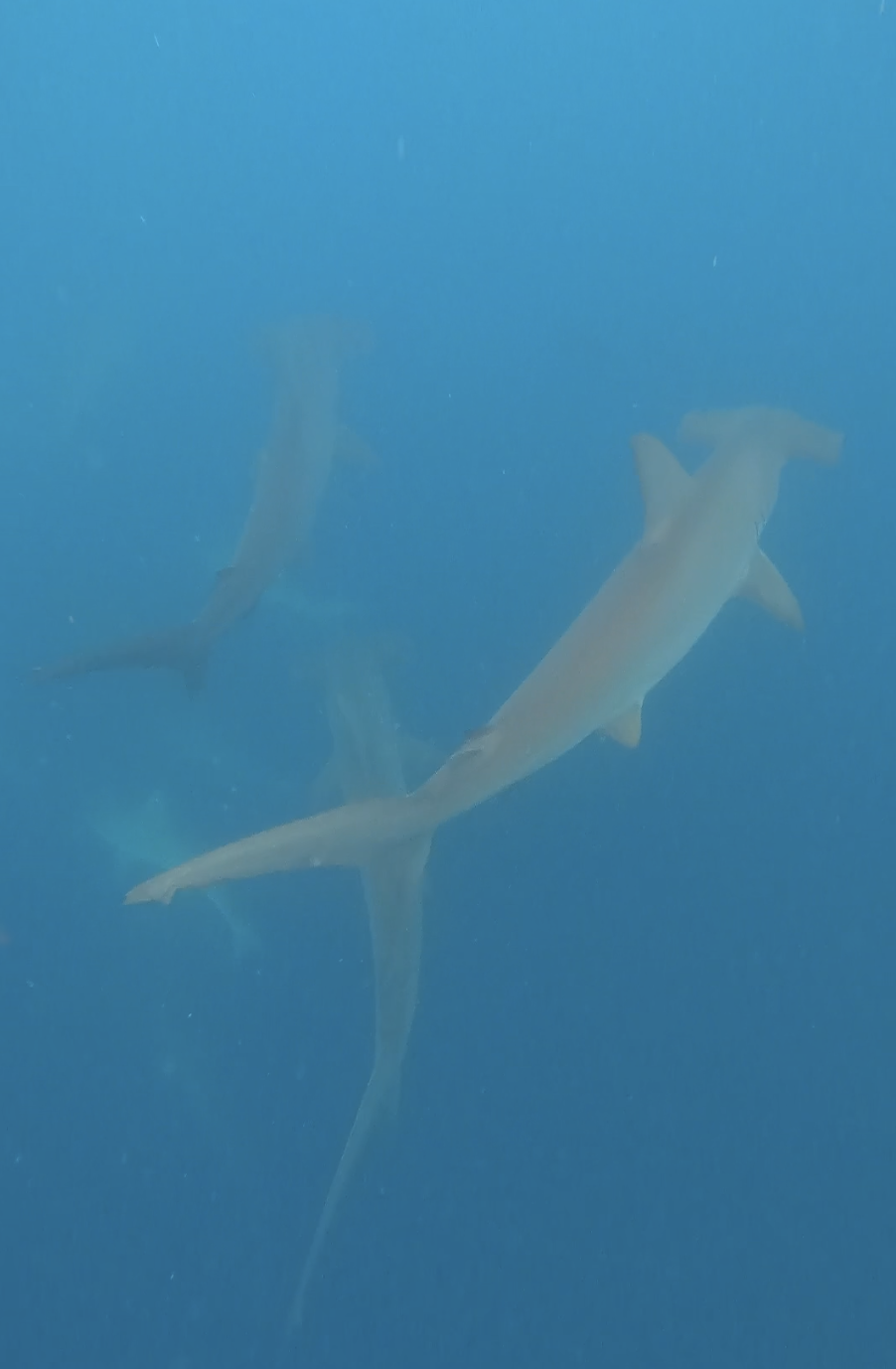
Kicker Rock, known in Spanish as León Dormido or the Sleeping Lion, rises 148 metres from the surface of the Pacific off San Cristóbal Island in the Galápagos Archipelago, a pair of ancient tuff cones separated by a narrow channel through which the cold Cromwell Upwelling Current pushes a constant supply of nutrient-rich water. This convergence of oceanographic forces makes the submerged flanks of Kicker Rock one of the most productive and ecologically significant dive sites in the Eastern Pacific, and one of the world's foremost aggregation sites for the Scalloped Hammerhead Shark (Sphyrna lewini).
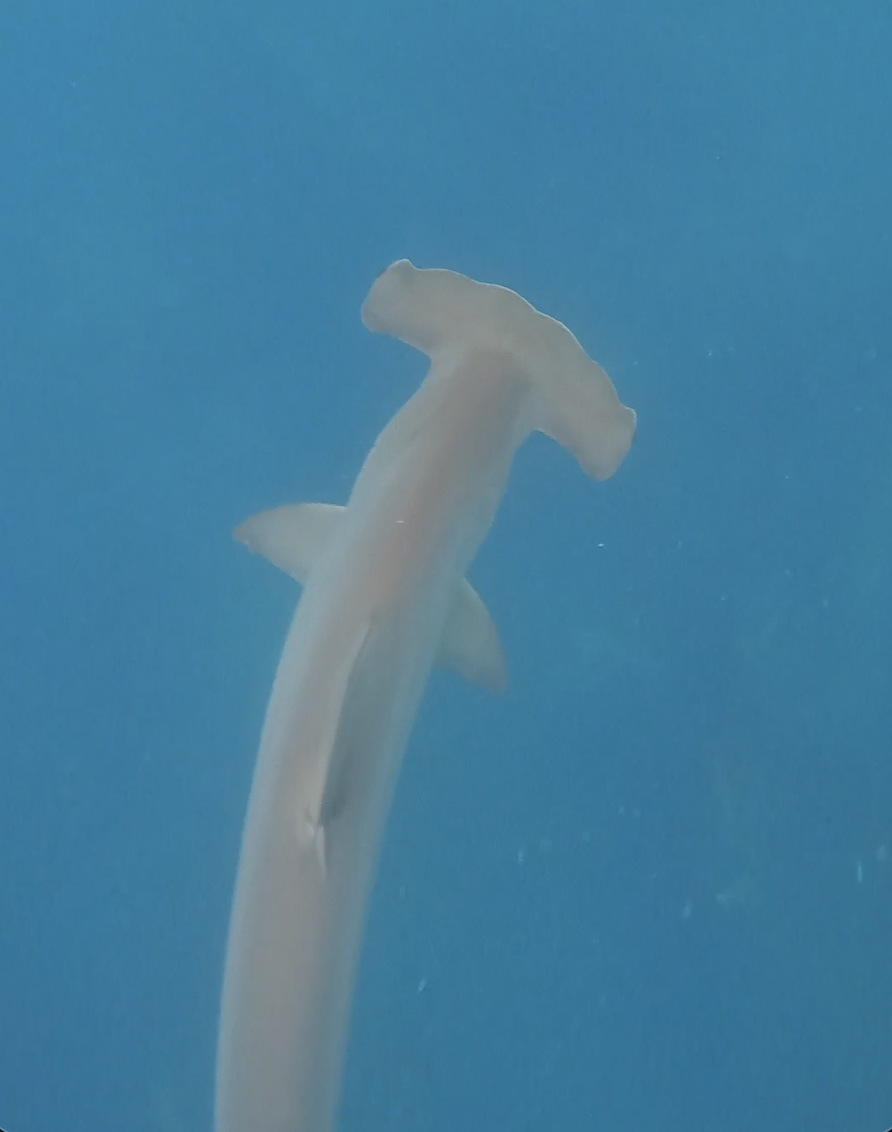
The Galápagos Marine Reserve, established in 1998 and encompassing 133,000 square kilometres of ocean around the archipelago, is one of the largest marine protected areas on Earth, and a critical refuge for elasmobranch species that face severe pressure throughout the rest of their range. The Scalloped Hammerhead is classified as Critically Endangered by the IUCN, with populations in the Eastern Pacific reduced by more than 95% from historical levels due to targeted fishing, longline bycatch, and the insatiable demand for their fins. The large, distinctively notched cephalofoil, different in shape from the Great Hammerhead's straighter edge, makes them unmistakeable, but it has done nothing to protect them from the scale of exploitation they have faced.
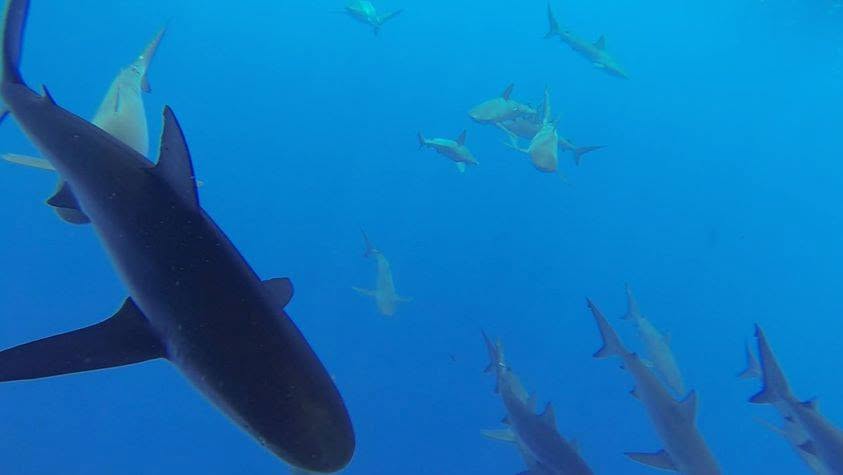
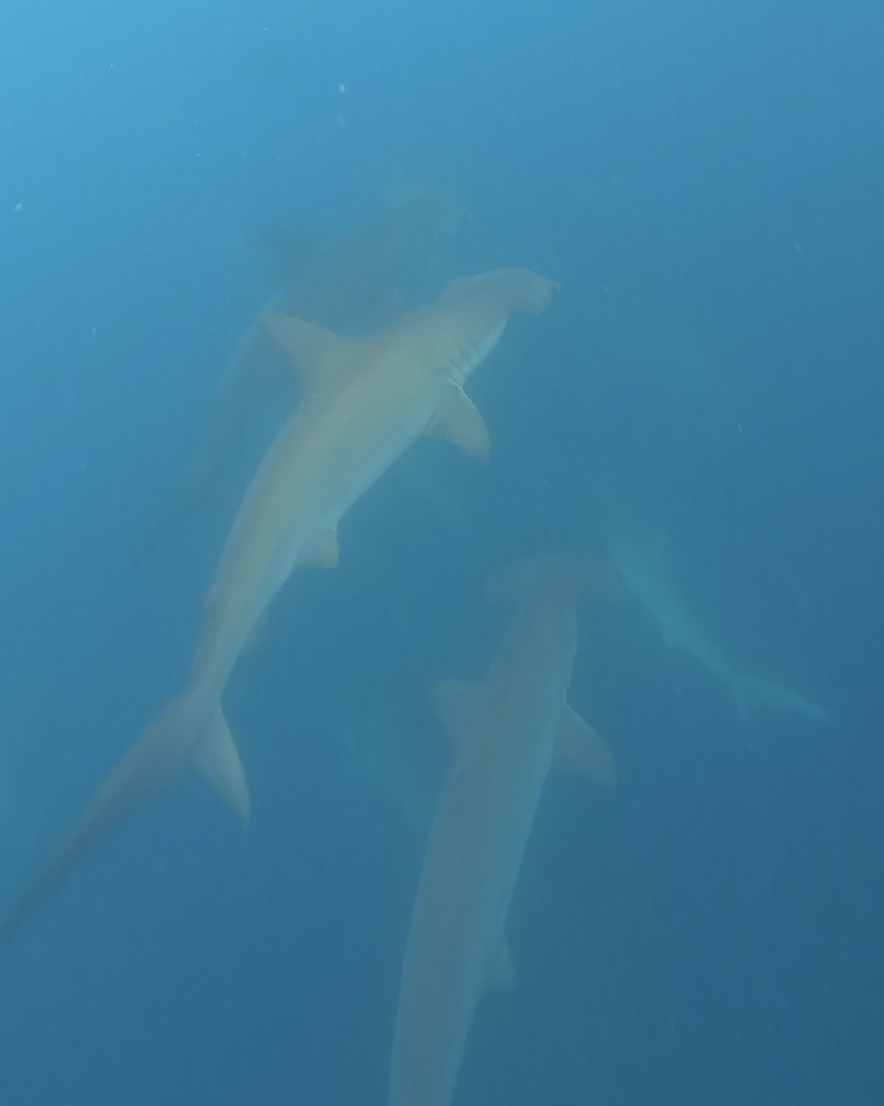
Scalloped Hammerheads are a schooling species. Uniquely among the large hammerheads, they form vast aggregations, particularly around seamounts, oceanic islands, and rocky pinnacles. The function of these schools has fascinated researchers for decades: they are not feeding aggregations in the conventional sense, as individuals in large schools tend to disperse at night to hunt alone. Leading hypotheses suggest the schools serve social functions such as dominance hierarchy establishment, mate assessment, or geomagnetic navigation using the seamount as a positional reference. Female sharks frequently occupy the centre of the school, with males on the periphery, consistent with a reproductive social dynamic. What is certain is that these aggregations are among the most visually extraordinary phenomena in the ocean, and that their disappearance, already observed at numerous historical sites across the Indo-Pacific and Atlantic, represents an irreversible impoverishment of marine biodiversity.
The deep blue water column at Kicker Rock, cooled by the Cromwell Current to temperatures that can reach 16°C, produces encounters of rare scientific and visual value. These photographs document individual animals in free-swimming, undisturbed behaviour. The cephalofoil banks and tilts as the animals manoeuvre, their counter-shaded coloration rendering them almost ghost-like against the open blue. They are exquisitely adapted, evolutionarily ancient, and desperately in need of protection that only meaningful international policy can deliver.
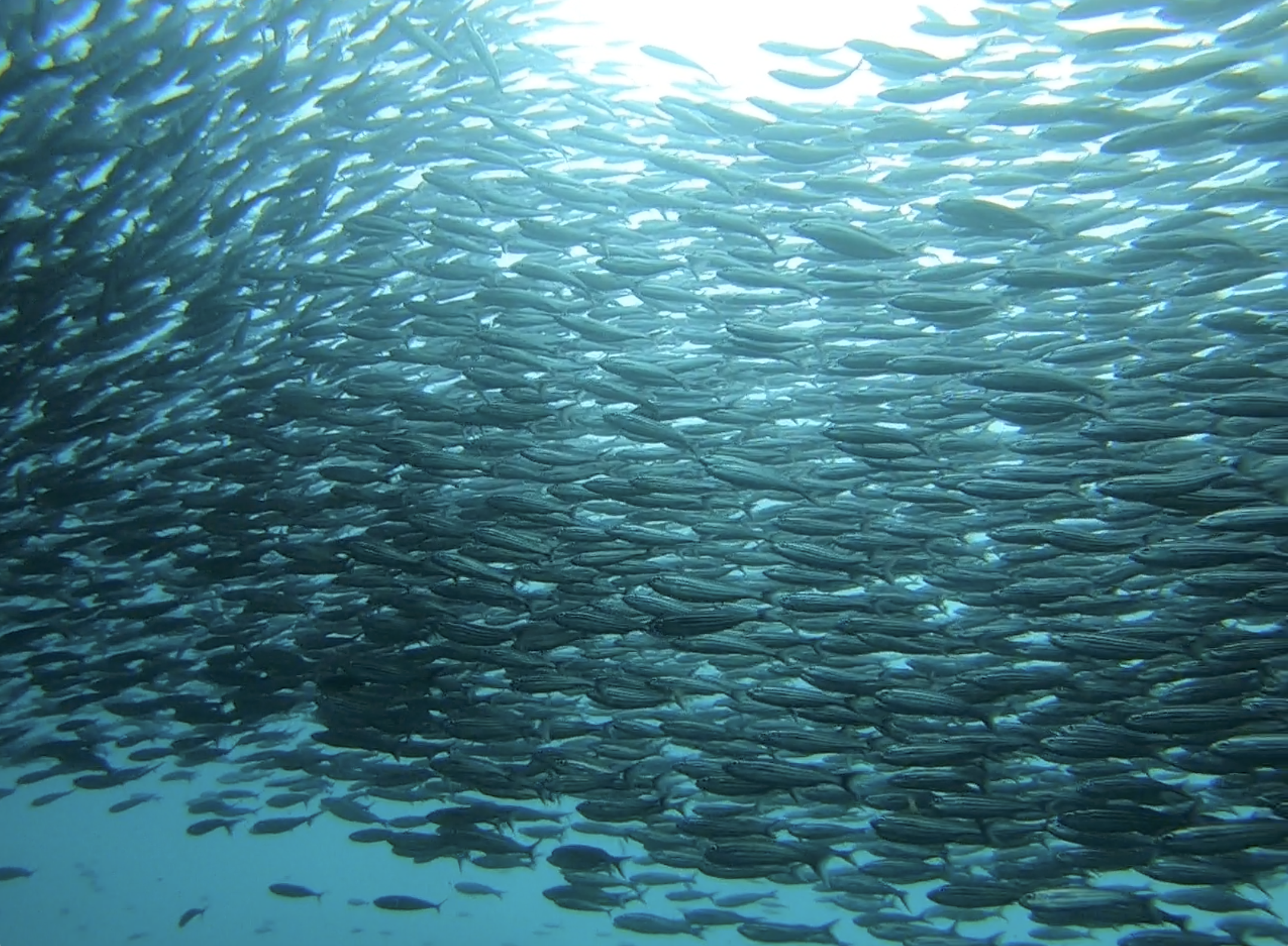
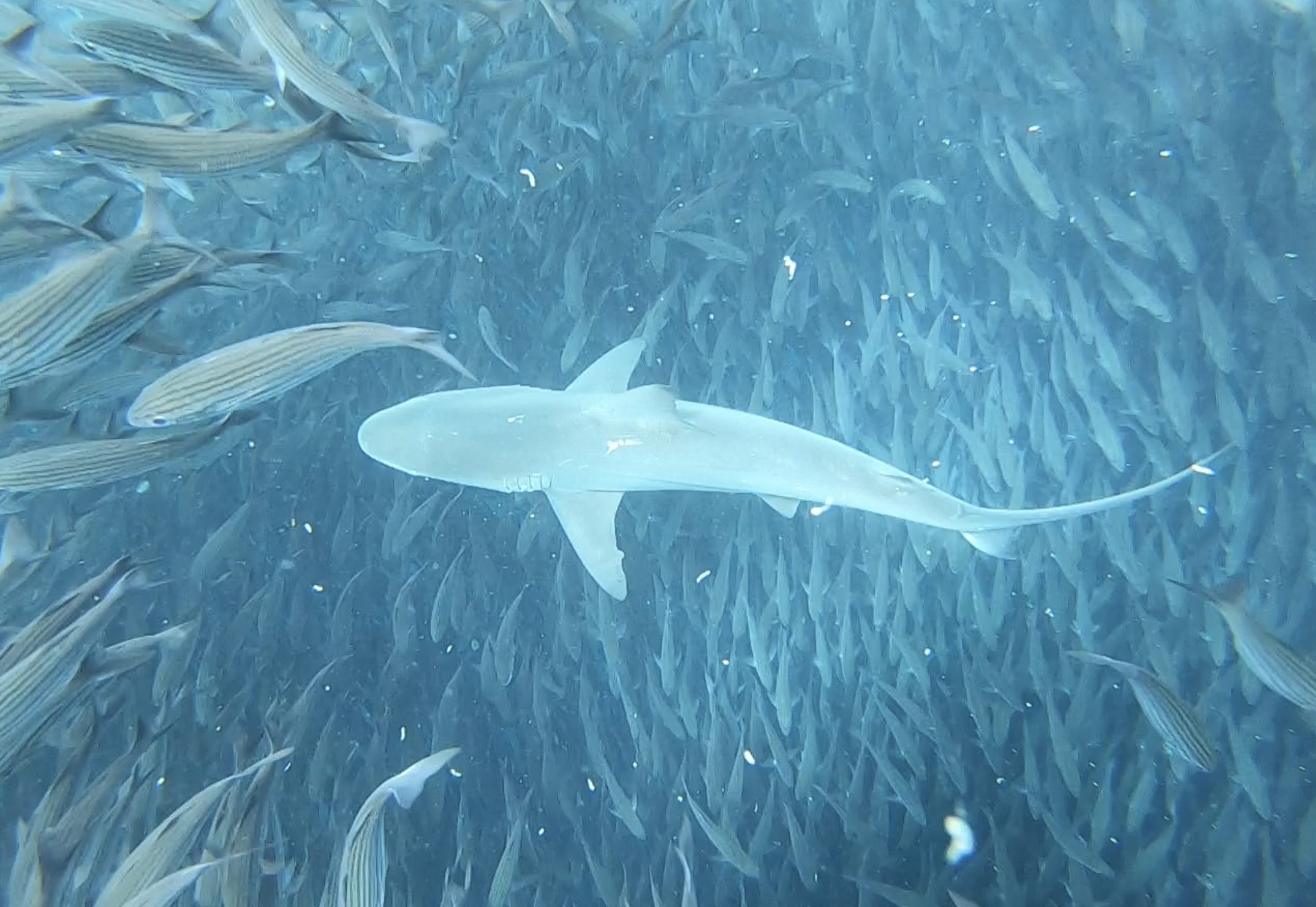
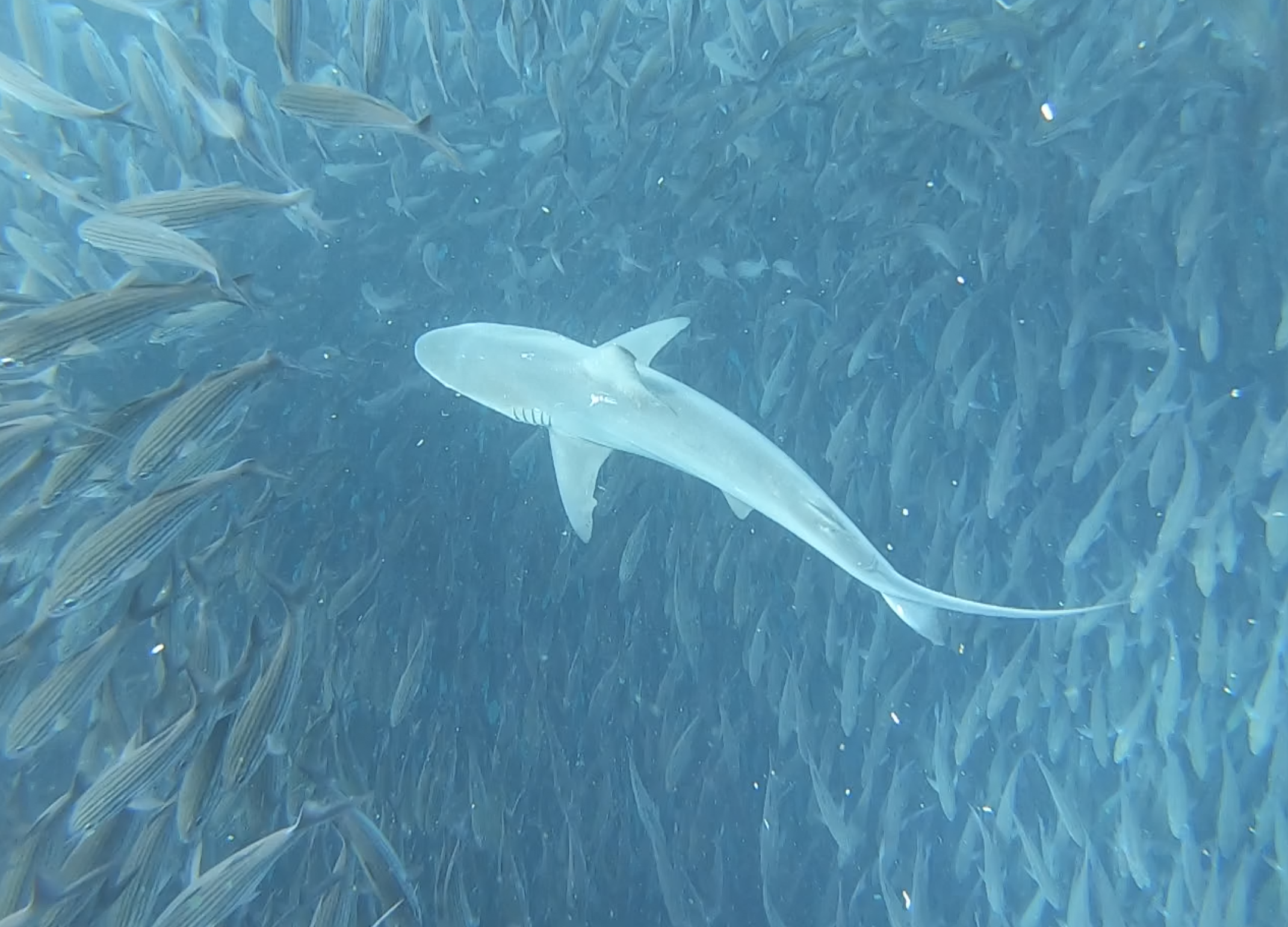
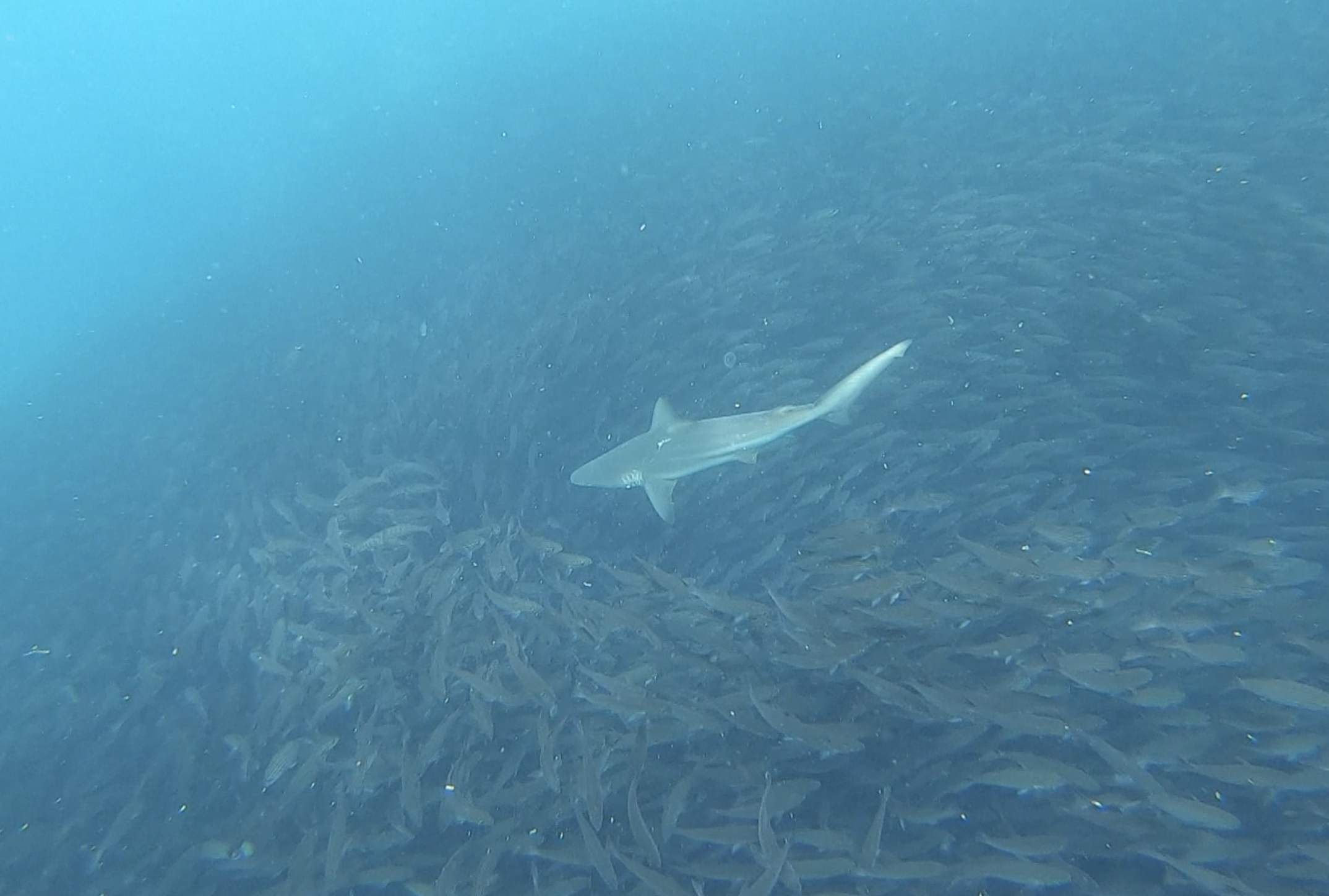
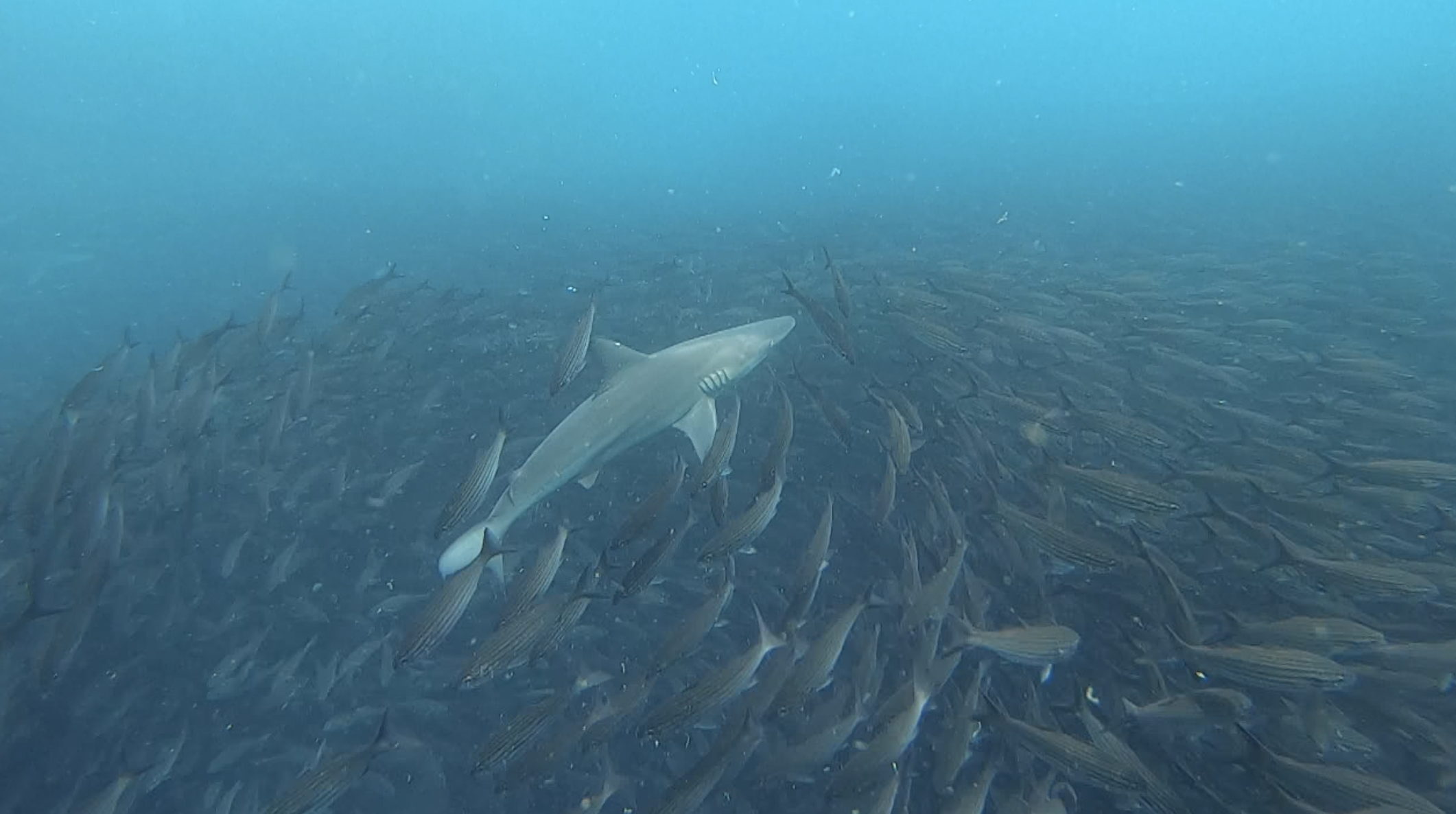
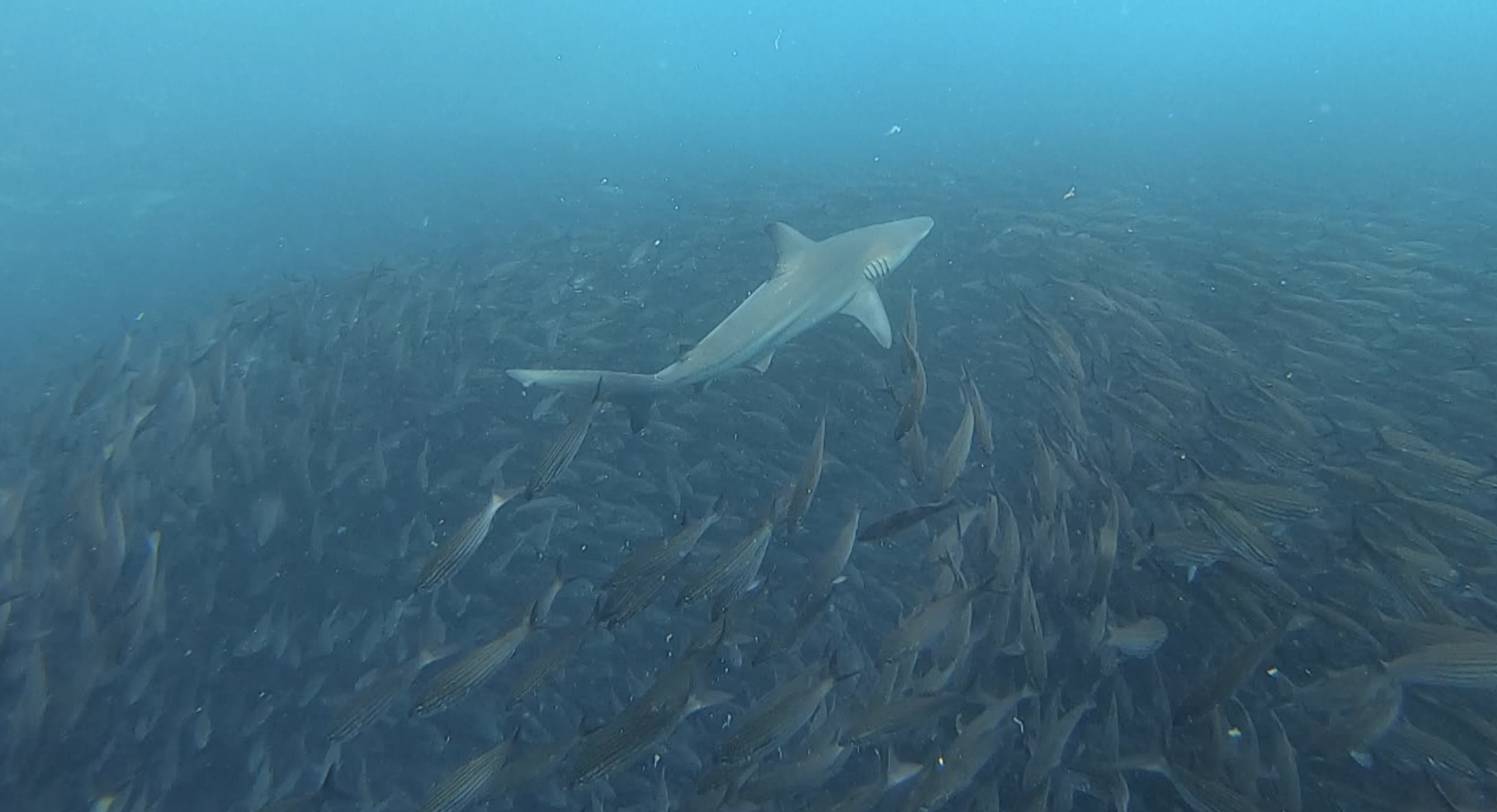
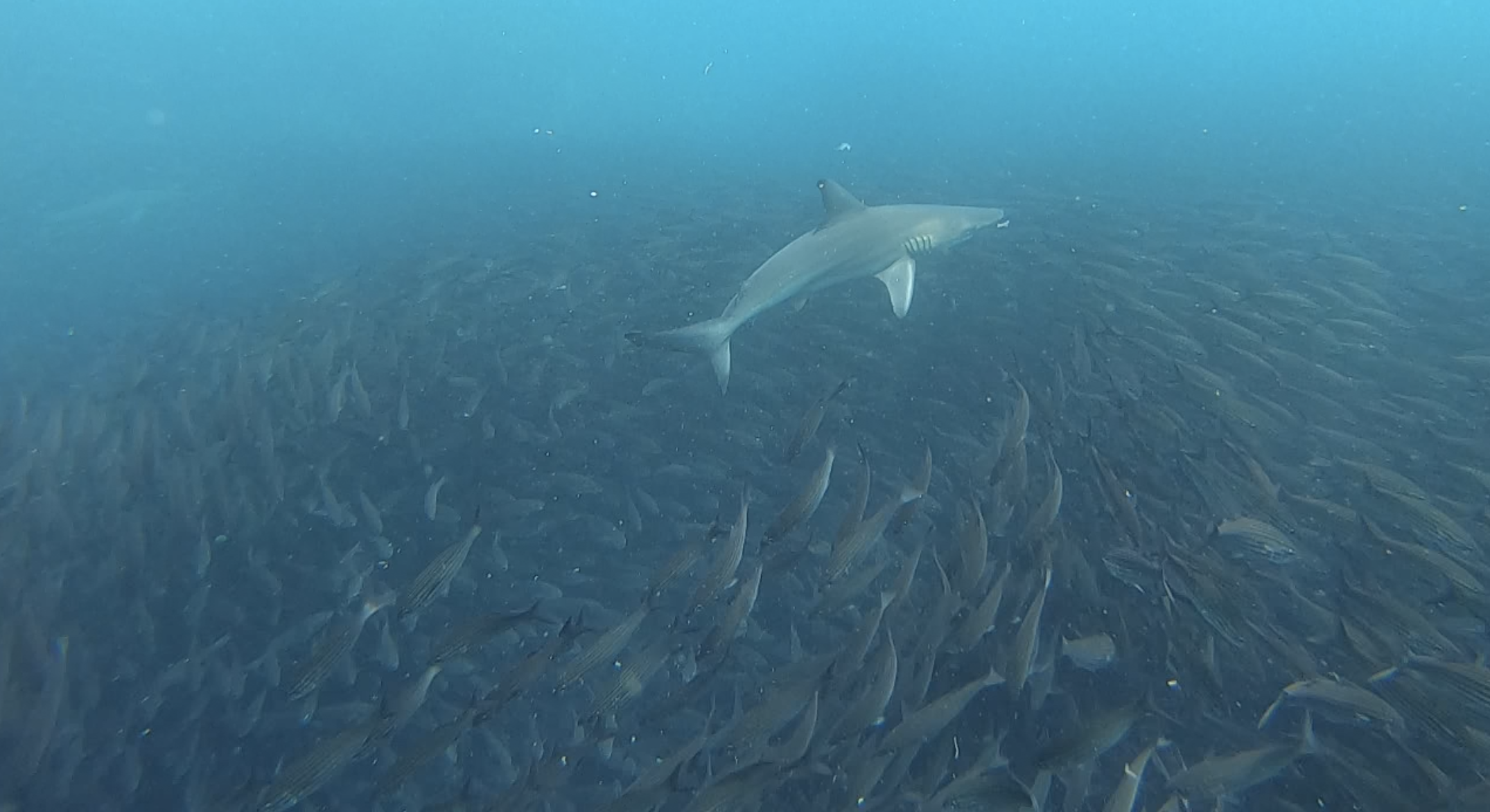
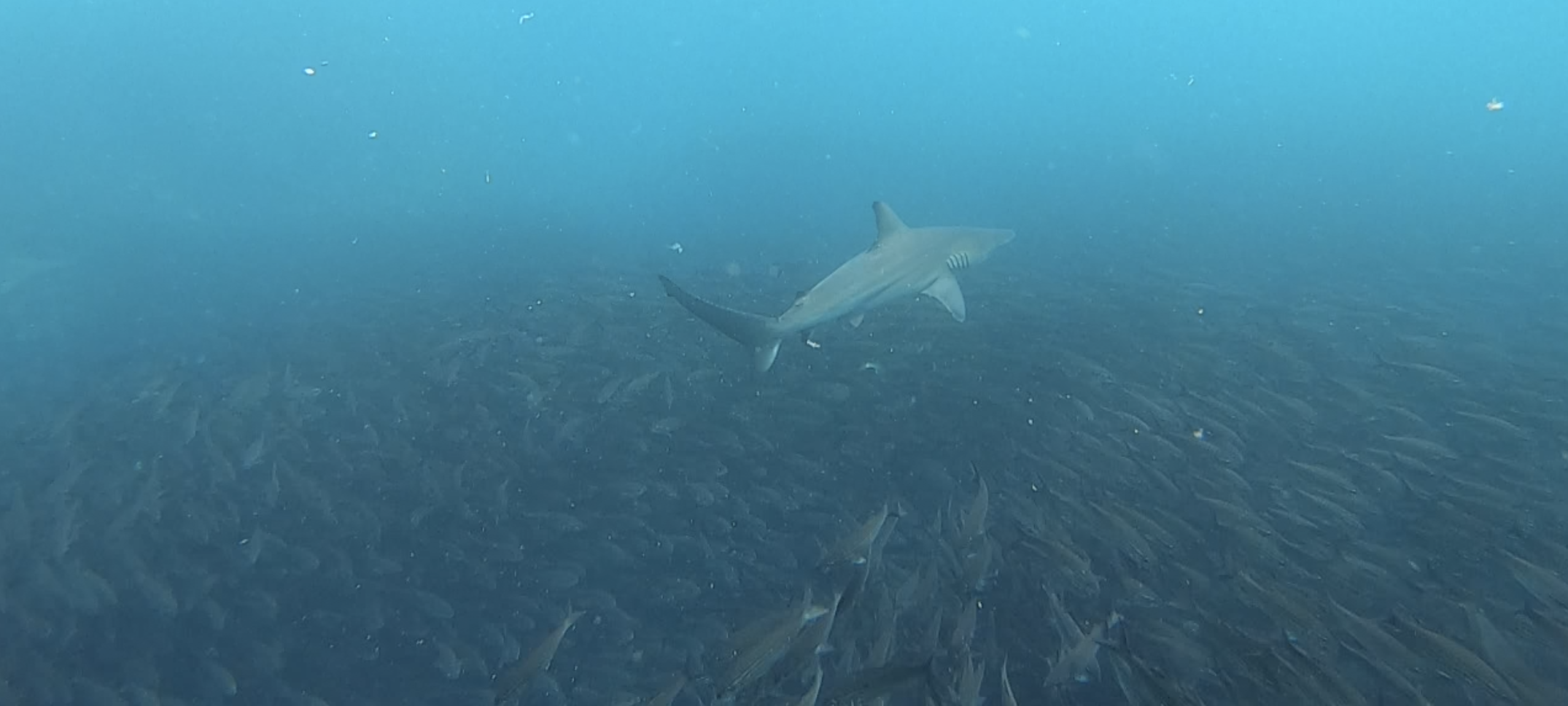
The waters surrounding Léon Dormido in the Galápagos Archipelago are among the most ecologically intact in the Eastern Pacific, a consequence of the Galápagos Marine Reserve's protective mandate and the extraordinary oceanographic conditions created by the convergence of multiple current systems at the archipelago. This productivity periodically generates one of the ocean's most dramatic ecological spectacles: the formation of a sardine bait ball, a massive, swirling aggregation of small forage fish compressed into a tightly coherent sphere by the coordinated pressure of multiple predators attacking simultaneously from every direction.
A bait ball is a masterpiece of collective behaviour under existential pressure. Each sardine's movement is governed by simple proximity rules: match the speed and direction of your nearest neighbours, avoid the outer edge. The emergent result is a shimmering, fluid mass that can contain tens of thousands of individuals moving as a single organism. It is one of the most visually extraordinary phenomena in the natural world, and one of the clearest demonstrations of the ecological role sharks play in structuring marine ecosystems.
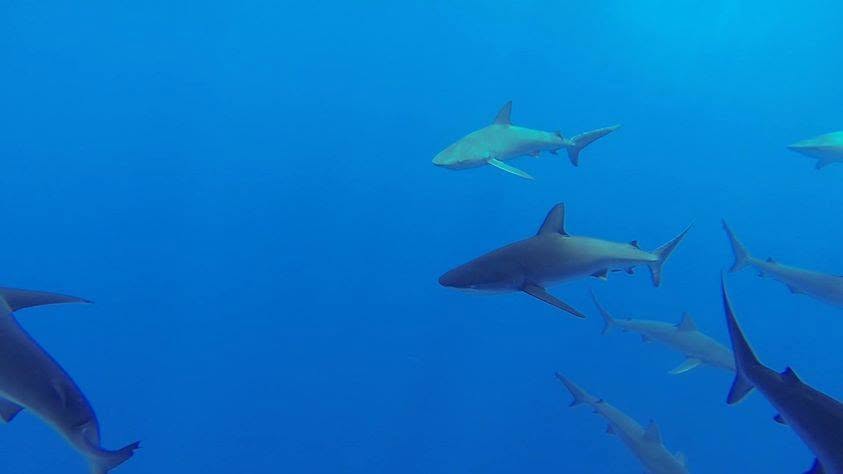
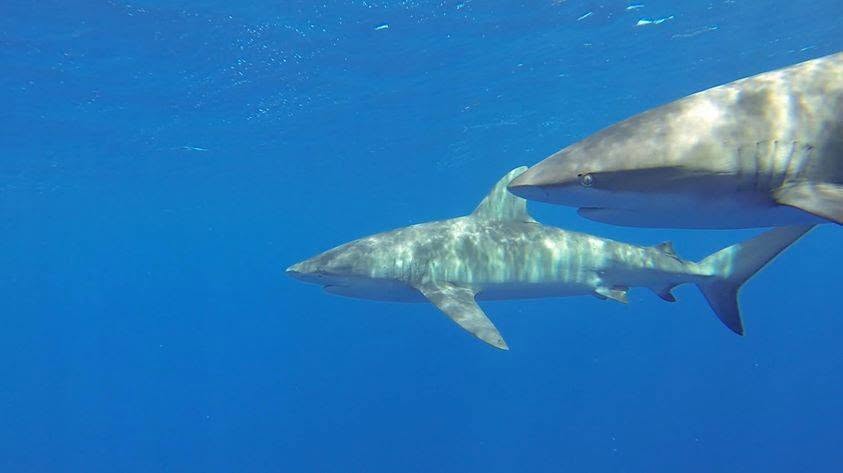
Reef sharks, likely Galápagos sharks (Carcharhinus galapagensis) in this context, exploit the event with sustained, methodical efficiency, threading through the mass of fish in repeated passes, driving the school tighter with each approach. The tighter the ball, the more effectively the sharks can exploit it, a positive feedback loop that demonstrates the sophisticated, if unconscious, predatory strategy these animals employ. What these photographs capture is not merely an exciting wildlife encounter: it is evidence of the trophic linkages through which apex predators maintain the structure and function of productive marine ecosystems. Remove the sharks, and the dynamics of predator-prey interaction that have shaped ocean food webs for hundreds of millions of years begin to unravel.
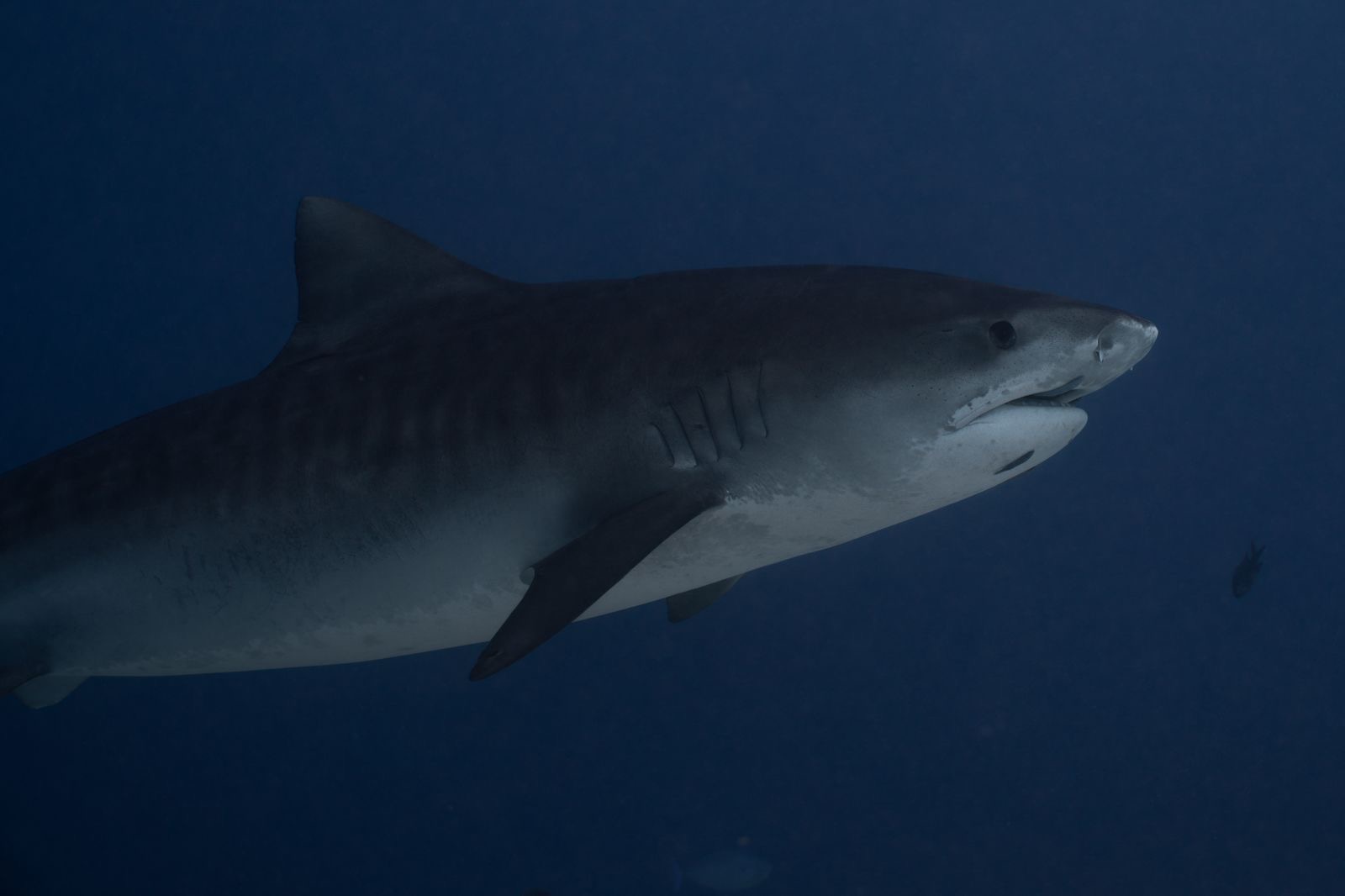
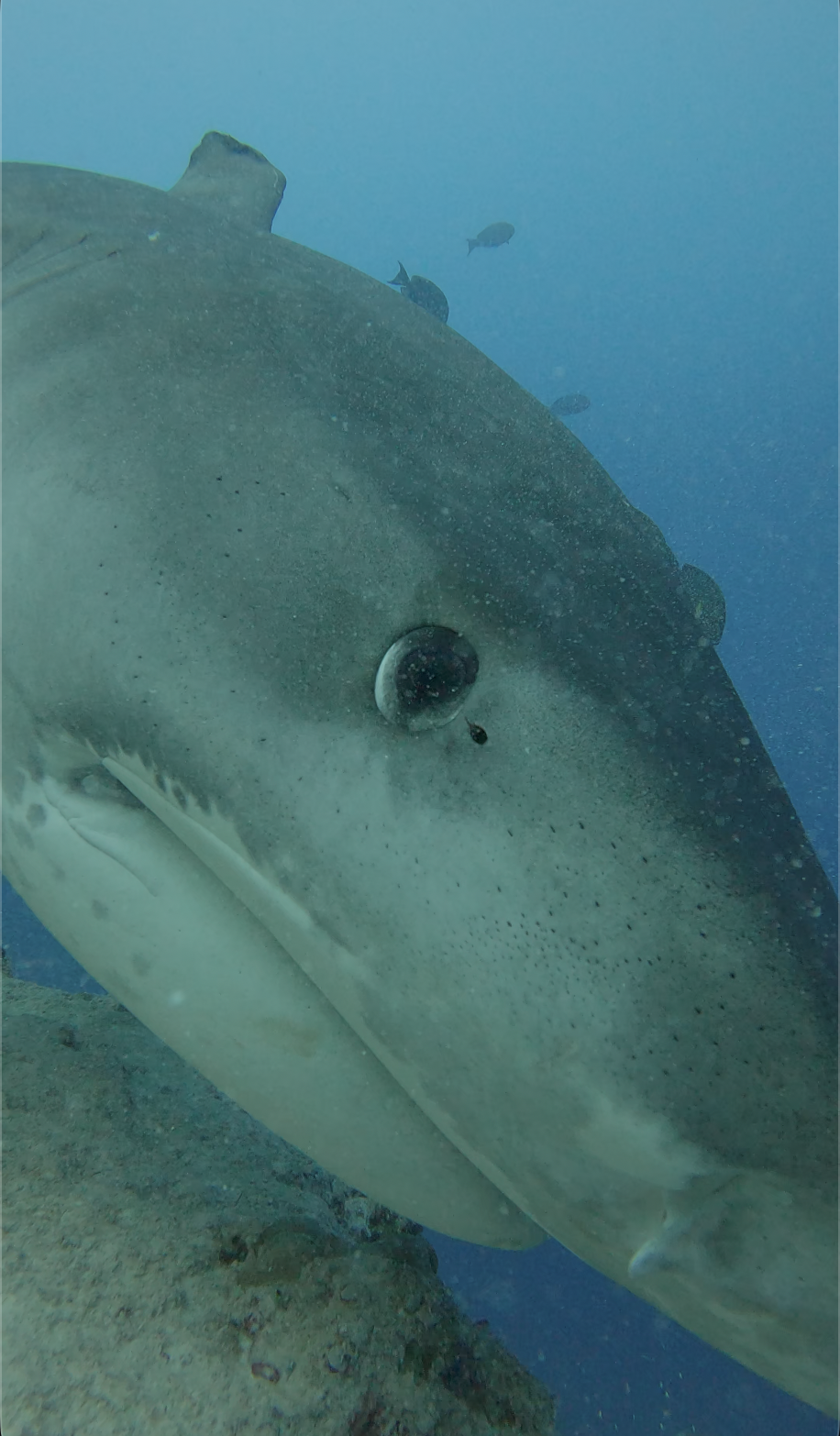
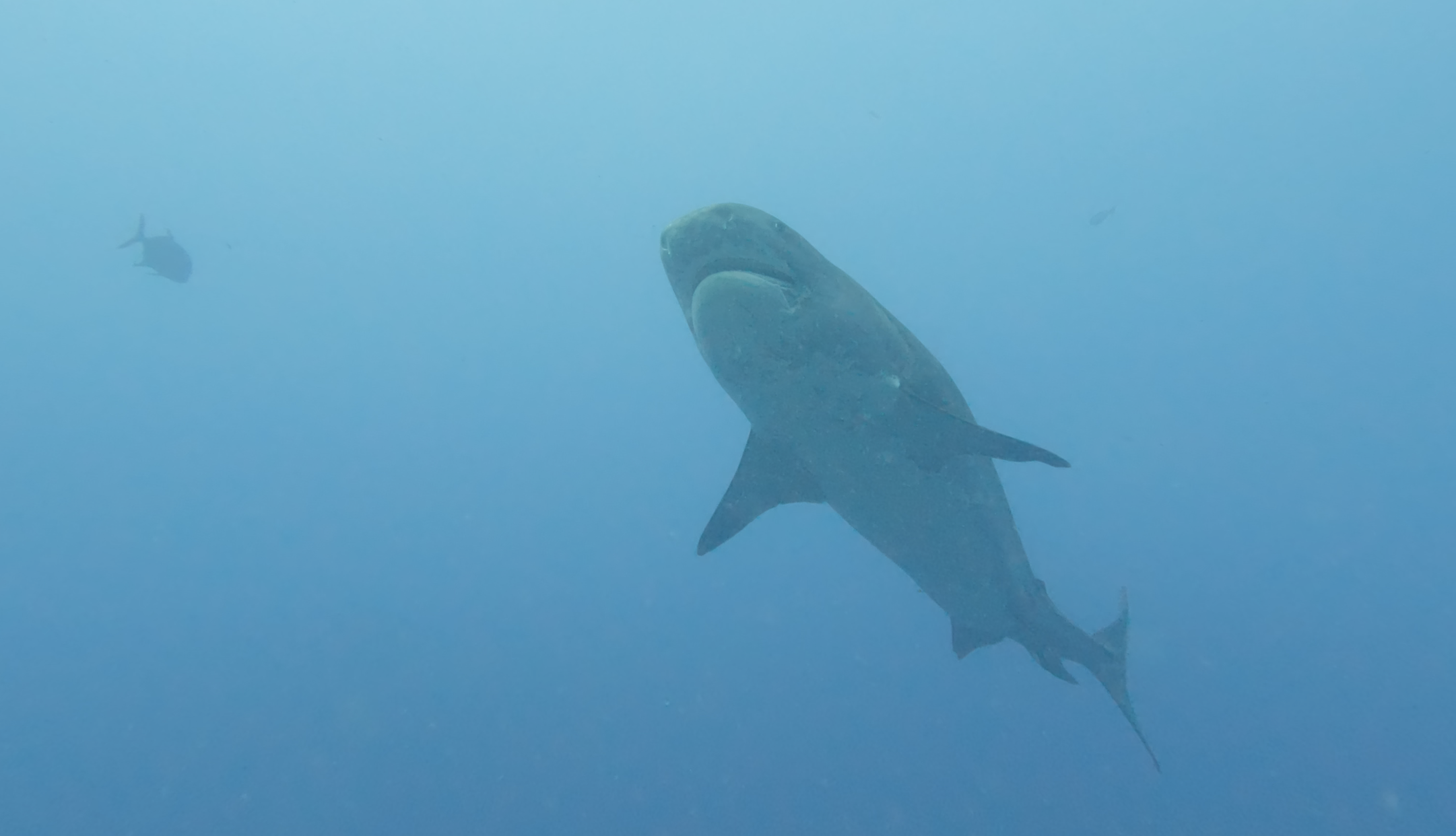
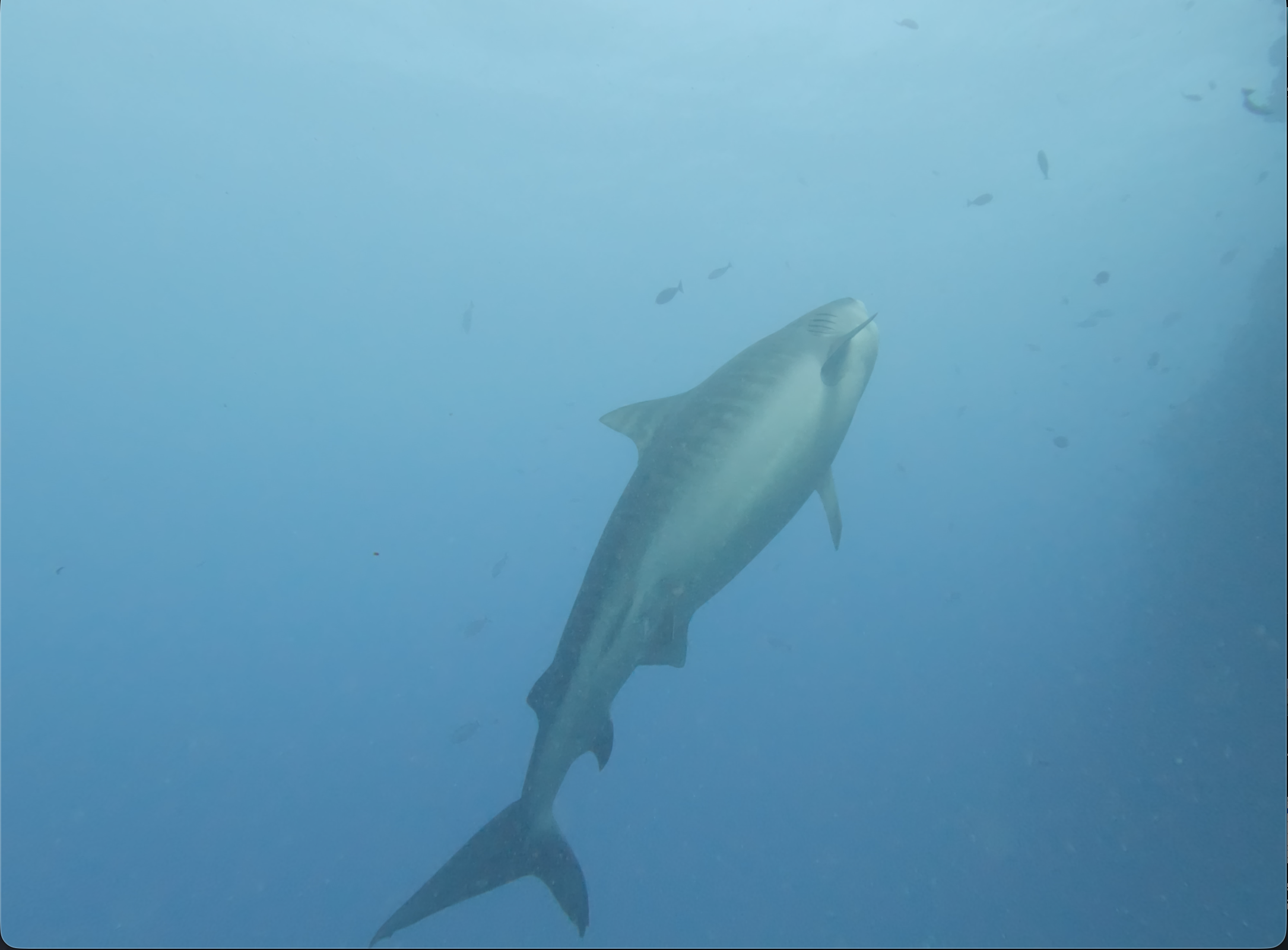
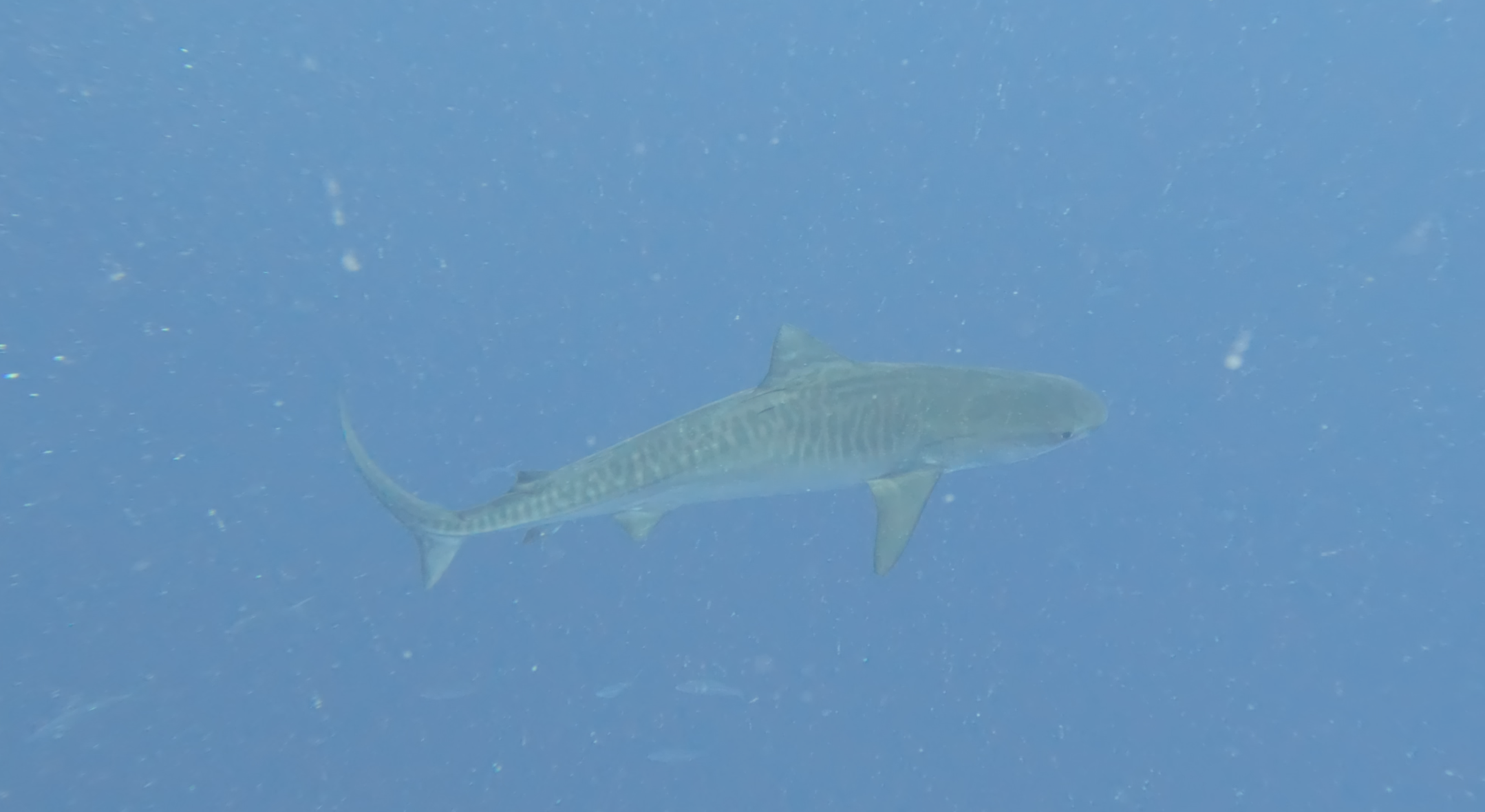
Fuvahmulah is a single-island atoll in the southernmost administrative district of the Maldives, isolated from the rest of the archipelago and sitting at the confluence of equatorial current systems that drive a constant supply of deepwater nutrients past its precipitous underwater walls. It is, by any objective measure, one of the most extraordinary dive sites on the planet, and one of the very few places in the world where Tiger Sharks (Galeocerdo cuvier) can be reliably encountered in open water, at close range, in undisturbed free-swimming behaviour.
The Tiger Shark is among the ocean's most ecologically significant and scientifically fascinating predators. As a generalist apex predator with a near-cosmopolitan distribution across tropical and warm temperate waters of the Atlantic, Pacific, and Indian Oceans. Galeocerdo cuvier exerts trophic influence across an extraordinary range of ecosystems. Perhaps most notably, Tiger Sharks have been identified as a keystone species in seagrass ecosystems: their predation pressure on dugongs and sea turtles prevents overgrazing of seagrass beds, which in turn serve as critical carbon sinks and nursery habitats for commercially important fish species. The removal of Tiger Sharks from these systems triggers rapid, measurable ecosystem degradation, a phenomenon documented with particular clarity in Shark Bay, Western Australia. Listed as Near Threatened on the IUCN Red List, Tiger Sharks face mounting pressure from directed fishing and longline bycatch across their range.
These dives were conducted in partnership with Azucan Askin (Zuzu) and Ahmed Mohamed (Ricky), the founders of Miyaru, a Maldivian conservation and research organisation, and co-owners of Oceanic Nomad Divers. Zuzu and Ricky are doing extraordinary, meaningful work for shark conservation in the Maldives, building the scientific and community infrastructure necessary to protect these animals at the national scale. The Maldives banned shark fishing in 2010, making it one of the earliest nations to establish a full shark sanctuary, a policy whose conservation value is demonstrated every time a Tiger Shark circles in the blue off Fuvahmulah's channel wall.
Learn more about Miyaru ↗Marine biologist. Field researcher. Scientific diver. Conservation strategist. A career built across five oceans and a decade of applied science, policy, and fieldwork in some of the world's most demanding marine environments.
Cody brings a rare combination of academic rigour, technical diving capability, cross-cultural operational experience, and deep specialist knowledge of shark biology and conservation policy. He is available for a focused range of collaborative engagements, each grounded in the same intellectual standards and field discipline that define his scientific work.
Available for collaborative field research programmes in marine biology, elasmobranch ecology, coral reef science, and fisheries biology. Brings postgraduate training, primary data collection experience, and AAUS-certified scientific diving capability to research teams operating in open-ocean, reef, and coastal environments.
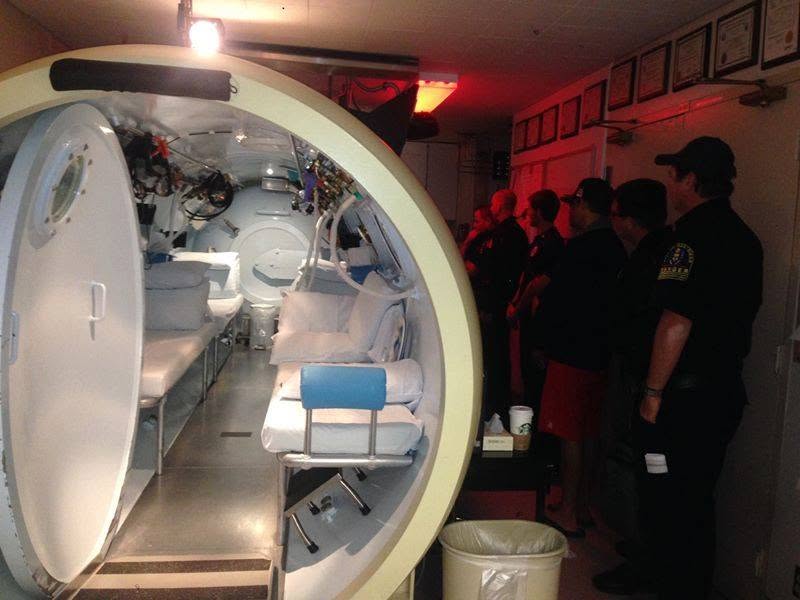
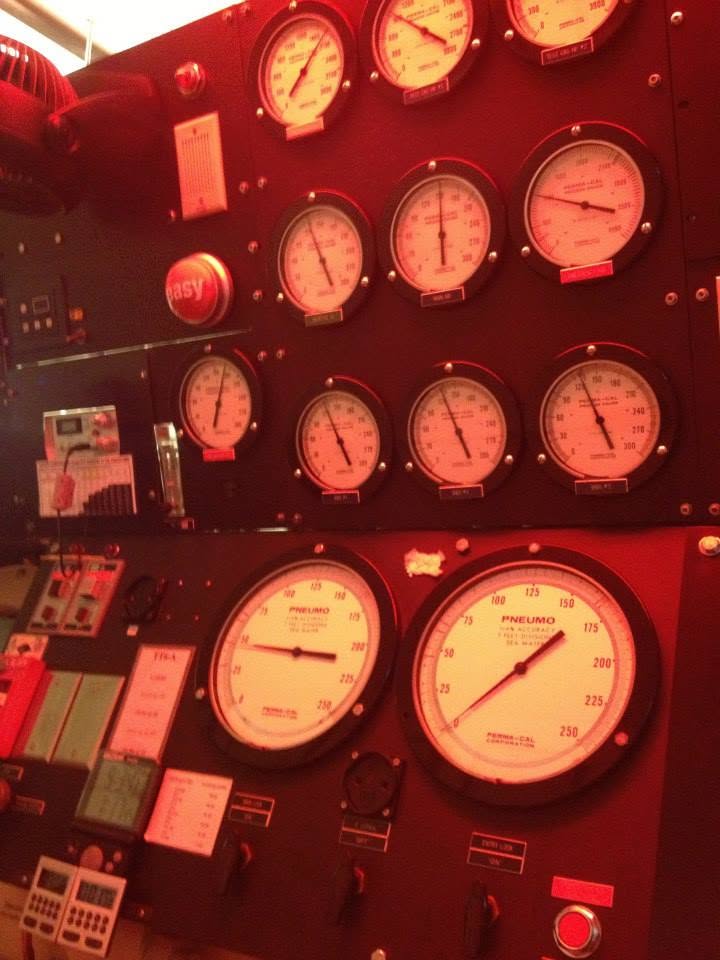
HSE Class IV Commercial Diver with an exceptional range of technical qualifications spanning CCR, trimix, cave, sidemount, and decompression diving. Available for scientific, media, and expedition diving operations requiring a diver with the capacity to operate safely in demanding conditions and complex underwater environments.
Drawing on postgraduate training in coastal and marine resource management and direct experience with community-based conservation in Indonesia, Fiji, and the Maldives, Cody offers consultancy to conservation organisations, NGOs, and government bodies working on shark and marine ecosystem protection.
Experienced in the design, leadership, and delivery of multi-stakeholder marine conservation programmes across complex international contexts, including Fiji, Indonesia, the Maldives, Hawaii, and the Galápagos. Combines scientific rigour with the operational and cross-cultural competence necessary to execute conservation work in demanding field environments.
Available to speak on shark conservation, marine ecosystem science, the intersection of field research and conservation policy, and the human dimensions of ocean protection, including the role of fishing community engagement in achieving durable conservation outcomes. Experienced presenting to academic, professional, and public audiences.
With operational experience across more than 100 countries, including remote oceanic islands, Arctic-adjacent environments, and equatorial dive destinations, Cody brings substantive expertise in marine expedition planning, safety management, and logistics coordination to private and scientific expedition teams.
Whether you are planning a research programme, a scientific diving operation, a conservation initiative, or an expedition. Get in touch to discuss how Cody's expertise can contribute to your project.
Global
Summit is one of the world's most influential networks of entrepreneurs, creators, and thought leaders, built around the conviction that proximity to exceptional people accelerates the quality of ideas, businesses, and lives. Its events are distinguished by an uncommonly high standard of curation, bringing together founders, scientists, artists, athletes, and changemakers in immersive experiences that prioritise genuine human connection over conventional conference formats.
Cody served on Summit's core team over the course of the past year, working at the operational heart of an organisation whose effectiveness depends entirely on the quality of its member relationships. His responsibilities encompassed lead management and member engagement, building and maintaining the trust-based relationships that define Summit's culture, as well as direct support for event operations across Summit's programme of gatherings.
A significant dimension of Cody's contribution was the integration of artificial intelligence tools into Summit's organisational systems, applying emerging AI capabilities to lead management workflows, member engagement processes, and operational efficiency. This work positioned Cody at the intersection of human-centred relationship building and the technological infrastructure increasingly required to sustain it at scale, developing a practical fluency in AI integration that is directly applicable across his broader professional portfolio.
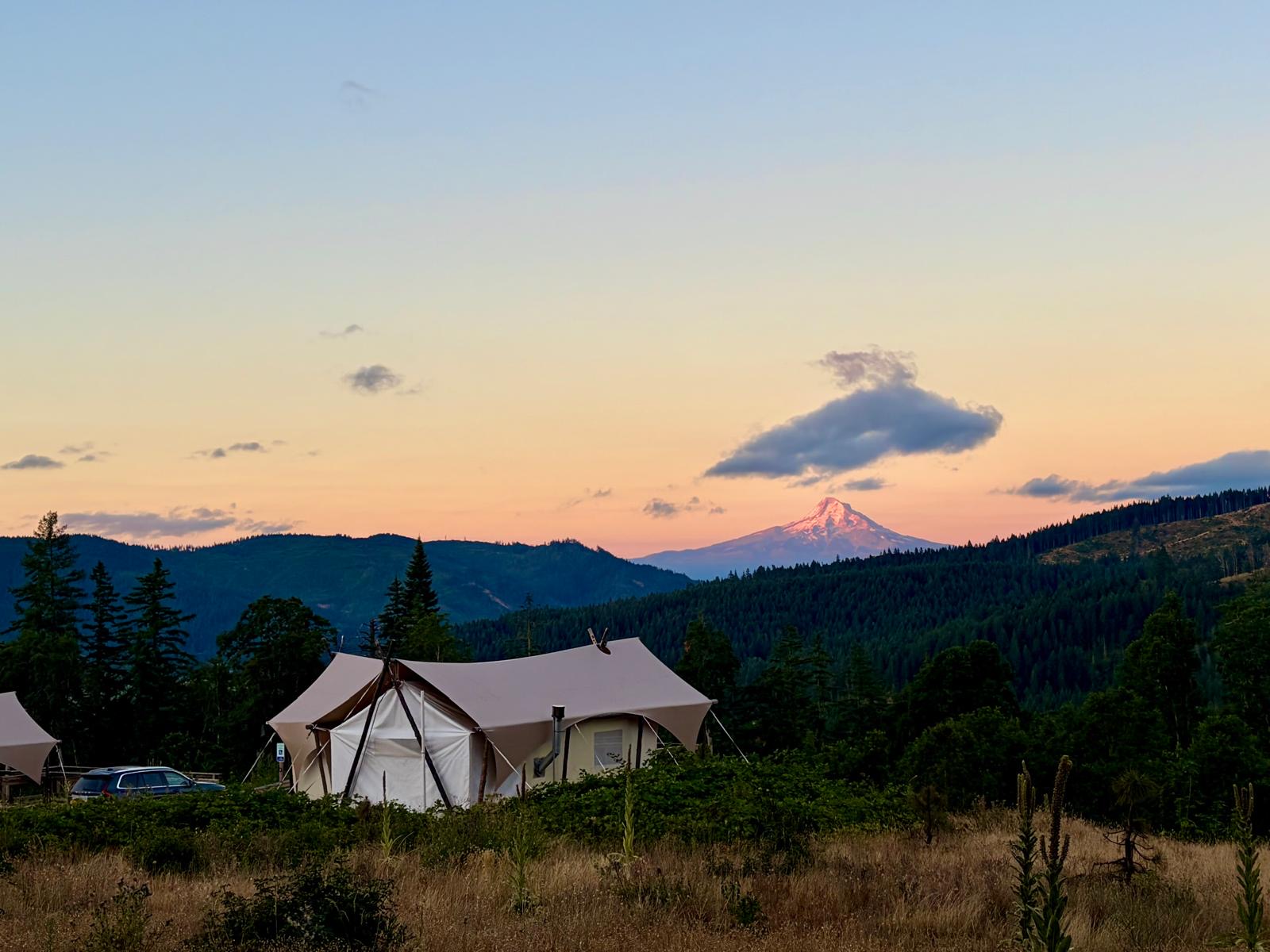
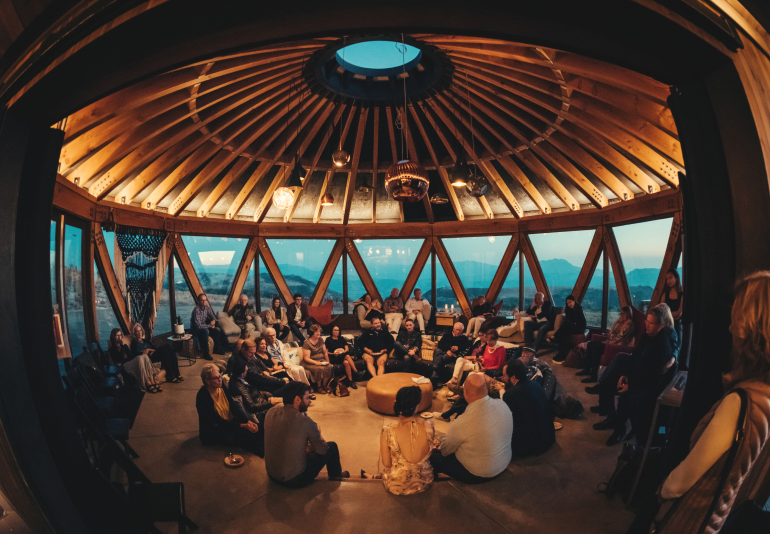
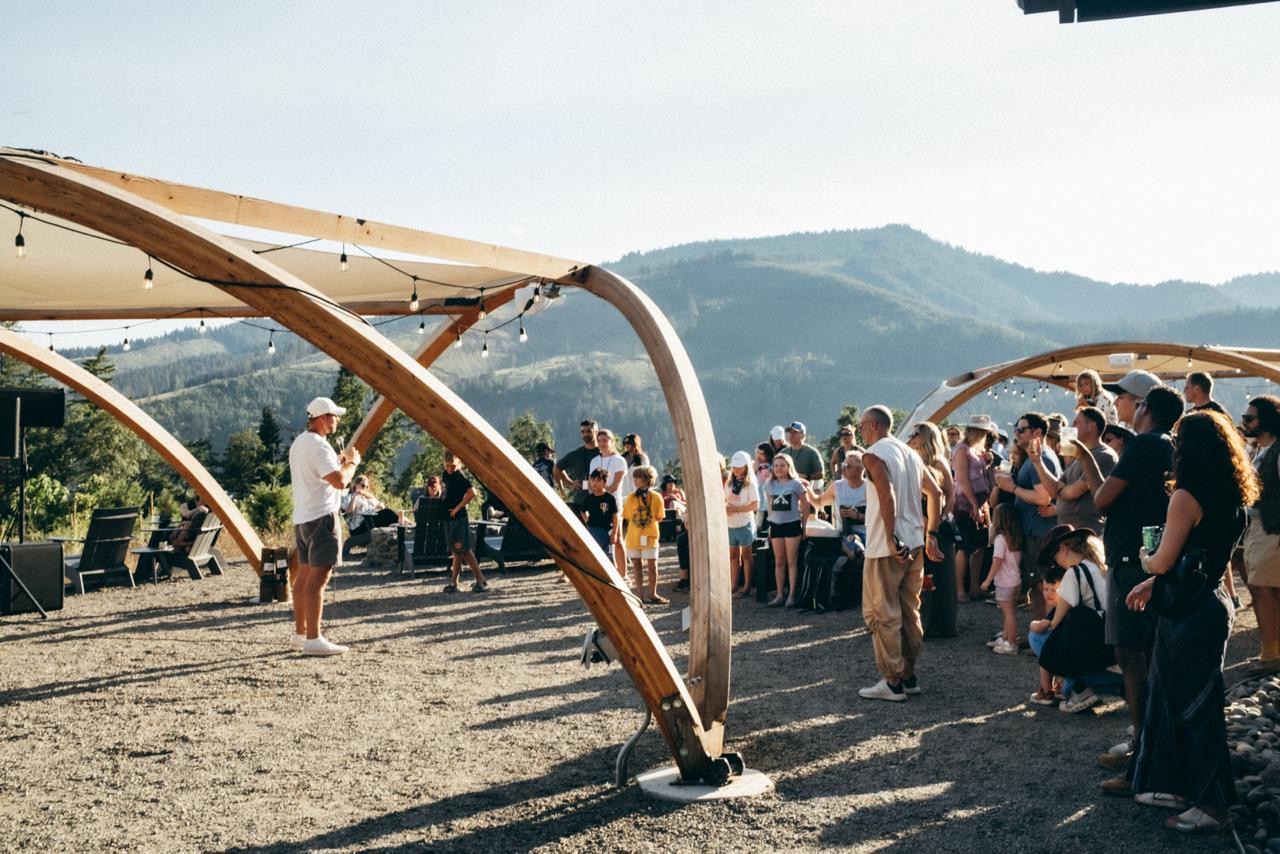
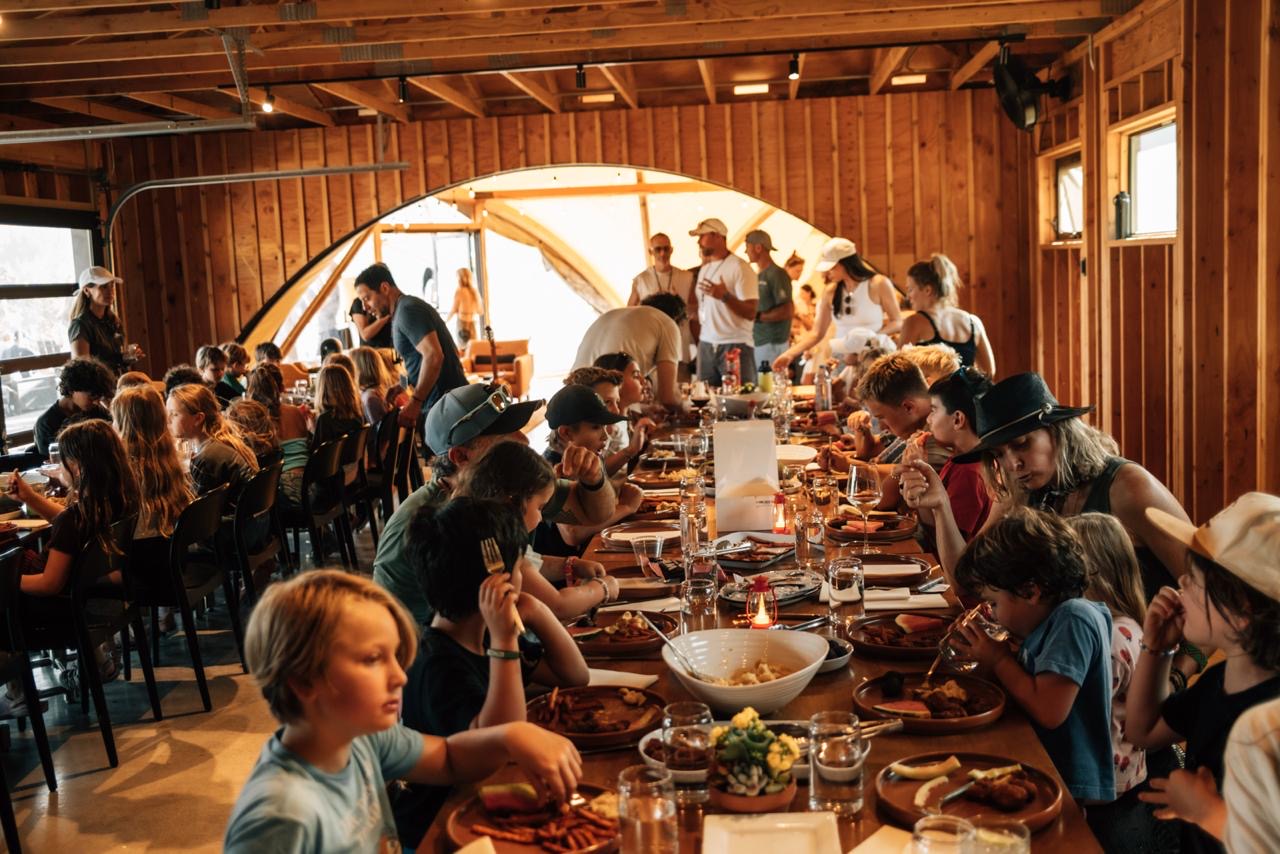
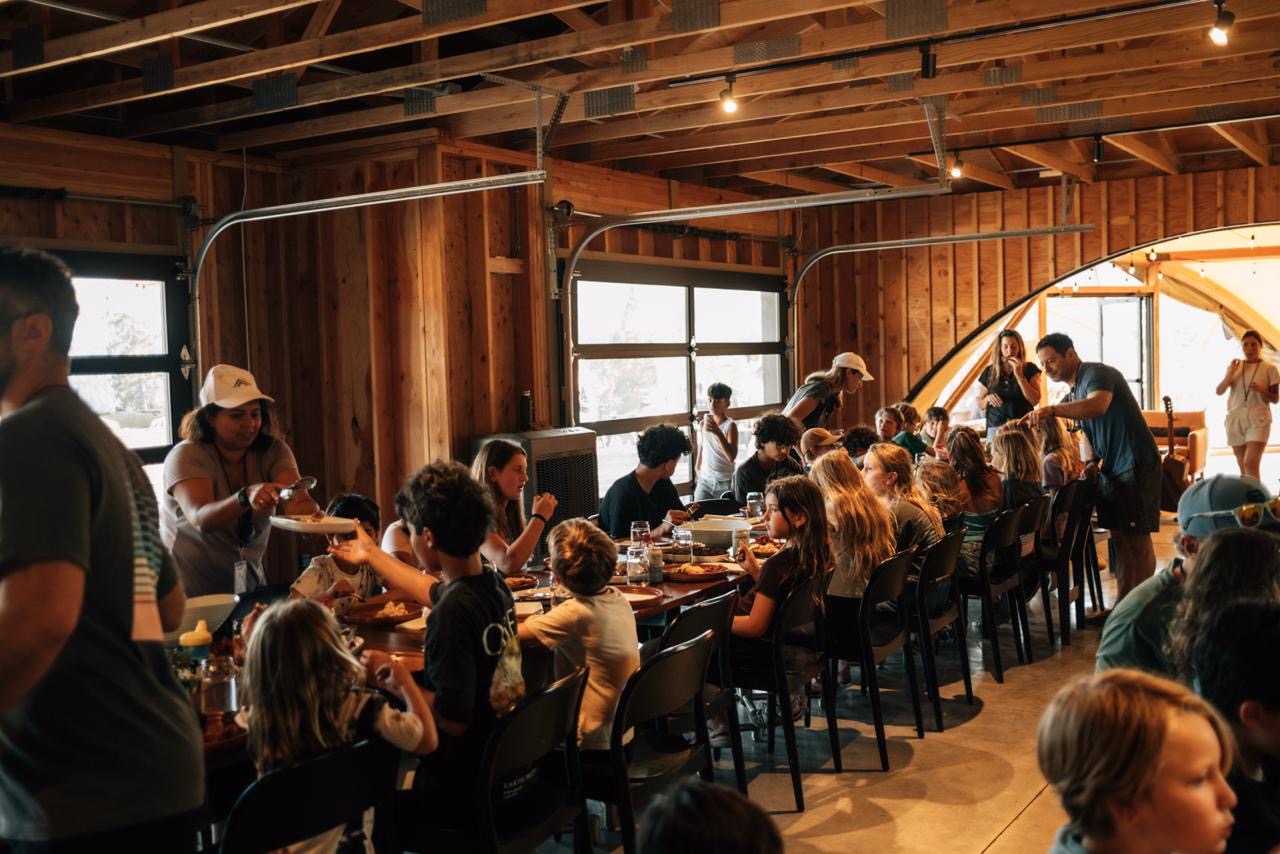
Most recently, Cody contributed to the inaugural Summit Family Event in Washington State, the first gathering of its kind in Summit's history, bringing together members and their families in an immersive multi-generational experience. As a landmark event in Summit's evolution, it demanded the same operational precision and cultural sensitivity as Summit's flagship programmes while navigating the unique complexity of designing an experience meaningful across generations. Cody's continued involvement spans both the Family Event and Summit's Flagship events, reflecting an ongoing relationship with an organisation whose values of curiosity, generosity, and the belief that the world's most pressing problems are best addressed by connected, motivated people resonate deeply with his own.
Summit ↗